By Chryselle D’Silva Dias
In the past few weeks, all eyes have been on Anjuna and Vagator as its villagers bravely take the fight against loud music to the streets. Fed up of living a life underlined by the constant boom-boom from clubs all around, residents have tried everything. Years of complaining to local police stations has not had any effect. The media attention (the reporting by this newspaper is especially commendable) and the support by the High Court of Bombay in Goa is pushing authorities to finally act according to the law.

If you think noise is an issue peculiar to the party headquarters on the beach belt, you are wrong.
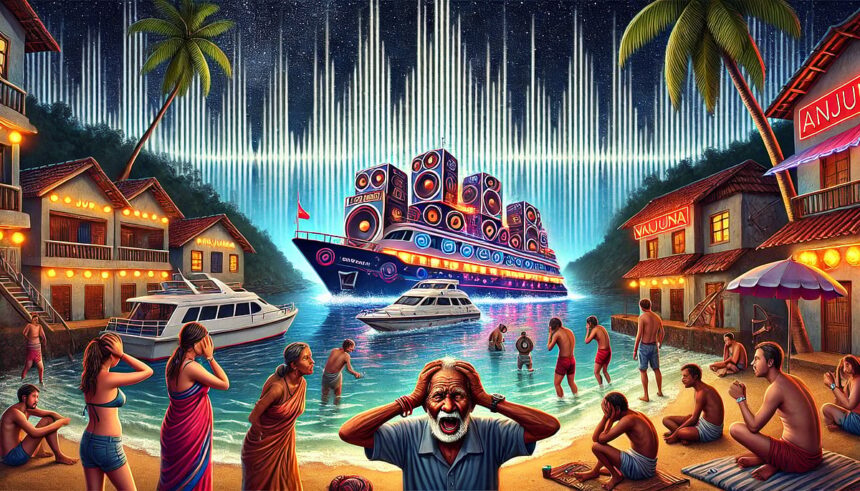
In Panjim, the river cruises on the Mandovi are our equivalent of Anjuna’s clubs. They are out every evening, throughout the year, blasting music. Their DJs scream out their welcomes to the tourists, asking the audience where they are from. Residents living by the river know the script and playlist of each boat by heart, such is the volume of the speakers.
For over 15 years, we have been complaining against the loud music played by the river cruises. As evening falls, our windows rattle with every passing boat. The shrieking of the DJs and loud bass of the music disturbs children trying to study and ruins the peaceful atmosphere of the home. The noise travels across the riverfront and even up to Altinho.
All this happens before 10 pm, in blatant violation of the Noise Pollution Rules (2000). Some boats continue after that as well and on holidays or the year-end, they are out on the waters well into the night.
Calls have been made to the police and videos with time-stamps sent as evidence. Police respond that they have sent a vehicle to check but there was no noise when they arrived. The fact that the boats have now docked or have lowered their volume is ignored, despite the video evidence provided. The complaint is promptly closed.
Some years ago, in desperation, we wrote letters directly to the cruise companies. They kindly gave us contact numbers of managers of the boats who could be contacted when loud music was heard. When we complain (we still do, after so many years), they say “we will inform the DJ to lower the volume”.
The next evening, it starts all over again.
The onus of monitoring noise is always on the public. There is no accountability for cruise boats, clubs or restaurants themselves to ensure that they play their music within permissible limits. Citizens have to leave their homes, their work, their families and go out at night to record violations, call the police, do the paperwork and lose their sleep and health in the bargain. The recent orders of the High Court insisting that noise monitors be installed outside establishments are a step in the right direction, if they are implemented correctly. Cruise boats should also be included in these establishments.
The negative effects of noise on health are well documented. Constant exposure to loud music can lead to high blood pressure, headaches, loss of productivity, sleep issues and high levels of stress. We see it in residents getting disturbed because of local restaurants playing loud music or having karaoke nights in the street. One restaurant manager in Panjim laughingly said to the police in this writer’s presence, “Who shuts down music at 10 pm?!”. The police constable shook his hand and said nothing.
Complainants are told to send letters and file applications. When you call about a noise issue, you are asked to identify the source of the noise – which is often impossible if you are living in the Anjuna area, for example. In Panjim, we can hear music from across the river, from parties happening in Betim, Porvorim or Pilerne. Are citizens supposed to leave their homes to trace the source?
Across the world, in popular tourist destinations, you will find river cruises. Some are traditional houseboats; others are bigger vessels. Yet they all have their sound contained indoors. We went on a river cruise in Vietnam last year and the comparisons were inevitable. On that cruise, there was a live band playing on every level. Yet no sound leaked outside. We passed by other cruises and all we could see (and hear) were tourists having a lovely evening out on deck or indoors. There were hundreds of people on each boat yet the ambient noise was completely under control.
Why can’t we have such pleasant experiences? Why does tourism in Goa have to be loud and garish? The Mandovi cruises could be a wonderful experience. Make them nice enough and you might even have locals lining up for an occasional sail into the sunset. For now, just turning the speakers inward might solve the problem. Let the music be for the people on the boat; the rest of us don’t need to listen to it.
The fight against noise is not new. On the beach belt, Desmond Alvares filed his first case against noise in 2000. Since then, other residents have constantly complained about the escalating issue. The recent orders by the High Court of Bombay in Goa have been a shot in the arm for beleaguered residents but it is the blatant disregard of such orders by the concerned authorities that finally brought everyone out on the streets on Independence Day.
Anjuna has reached its tipping point. Is it Panjim’s turn next?
(The writer is a widely-published independent journalist
based in Panjim)