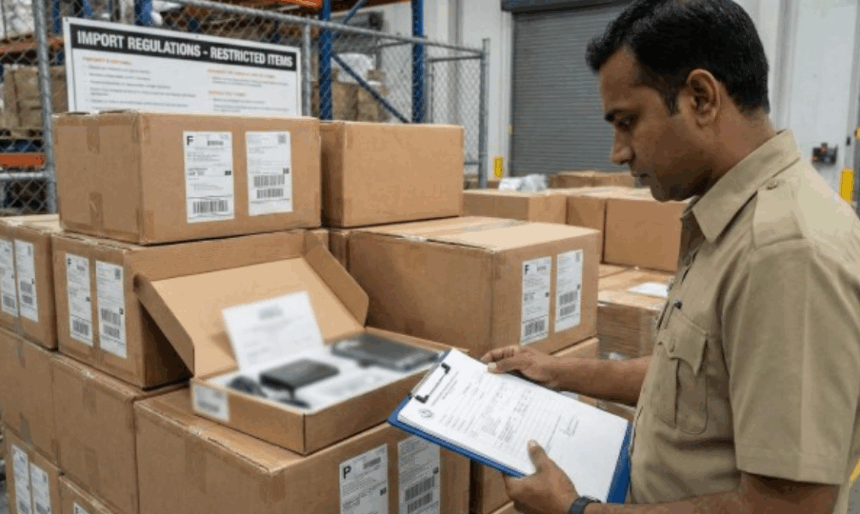
The Delhi High Court has reprimanded the customs department for allegedly harassing an importer and supplier of items described as sex toys, imposing a penalty of ₹25,000 to be recovered from the salary of the assistant commissioner involved. The court’s observations came after customs officials claimed that the importer had misdeclared the goods as “body massagers,” asserting they were actually “sex toys” prohibited under a 1964 notification that labels such items as obscene.
The case has reignited discussions around India’s regulatory framework for adult products, an area where consumer trends have evolved far faster than the laws governing them. As sexual wellness products gain mainstream acceptance, questions continue to arise over the legality of their manufacture, distribution, and sale—both online and offline.

Industry reports show the sector’s rapid expansion. A 2024 study by Grand View Research projects that India’s sex toy market will exceed USD 1 billion by 2030, growing at nearly 10% annually. Separately, TechSci Research estimated the market at USD 91 million in FY2020, with a striking 16% year-on-year growth rate, placing it among the country’s fastest-growing consumer categories.
Consumer data reflects a similar shift. According to a 2023 survey by the sexual wellness platform ThatsPersonal.com, Mumbai leads in individual city-wise sales, closely followed by Delhi. However, when combined, the National Capital Region—Delhi, Gurugram and Noida—surpasses Mumbai. Other major markets include Bengaluru, Chennai, Kolkata, Hyderabad, Pune and Ahmedabad.
The court’s stance, coupled with the booming demand, underscores the need for clearer and more contemporary regulations governing adult products in India.
(This story is published from a syndicated feed)