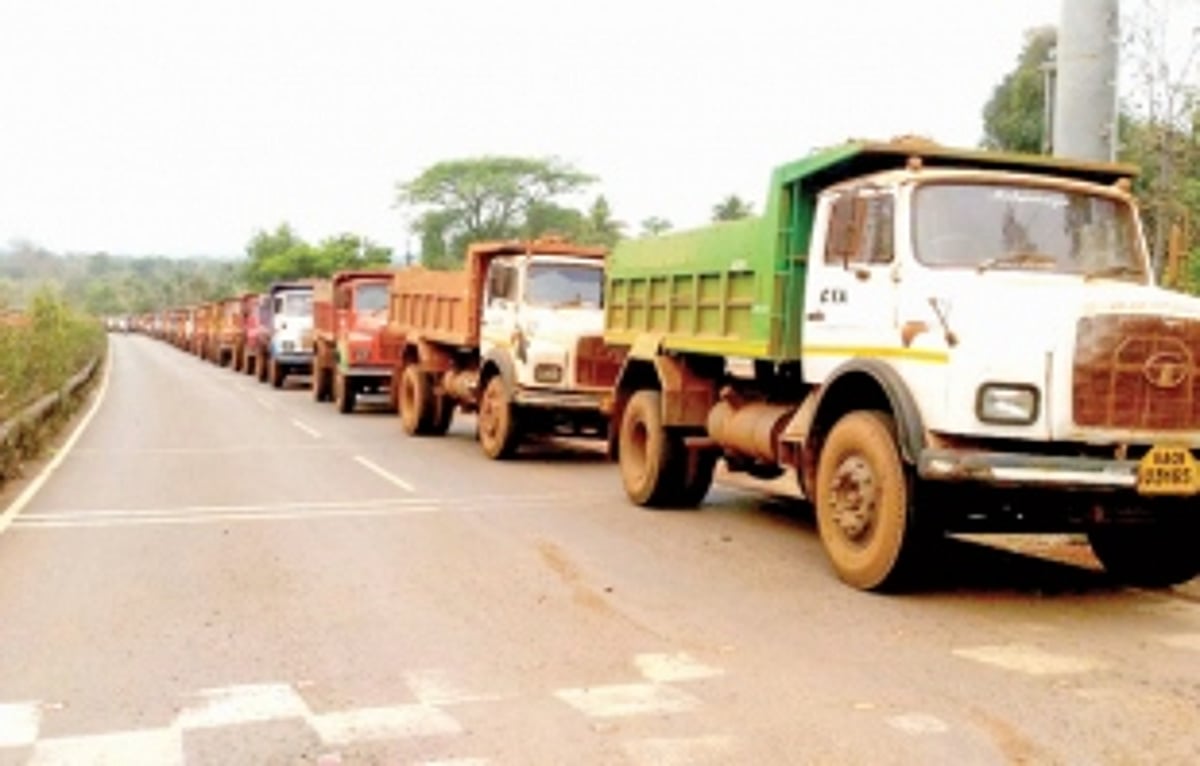
PANJIM: After the State pollution authority ranked Mormugao Port Trust (MPT) as the most polluted zone in Goa, National Institute of Oceanography (NIO) has said that coal transportation is the biggest source of pollution at the port and its vicinity.
NIO has recommended 100 per cent concretisation of the coal handling area to facilitate cleaning up and reducing pollution in MPT and Vasco area.
Based on its study undertaken pre and post the monsoon in 2016, Goa State Pollution Control Board (GSPCB) in its annual report 2016-17 had pointed out that Vasco-MPT is most polluted compared to other towns and even mining areas.
During the similar period, NIO senior scientist Dr Ramaswamy, also conducted a study on the port. “Compared to minerals like limestone, sand or iron ore, coal transport is a bigger source of pollution because of the special properties of coal like low density, friable nature and black/grey colour,” he said in the report, which was submitted to GSPCB, last year.
NIO had claimed that inhalation of coal dust can have an adverse health effect. The study revealed that coal pollution at MPT and its vicinity was between severe to moderately polluted, both which are dangerous for human health.
“Coal dust if inhaled can have adverse health effects like coalworker’s pneumoconiosis which is known colloquially as “black lung”, because the colour of the lungs turns black on continuous exposure. Coal dust can coat almost everything from vegetation, exterior and interior of houses, food, clothing etc,” the report stated.
The density of coal varies from 0.6 to 1.5 and can be very easily airborne. The friable nature causes coal lumps to easily turn into coal dust. Because of its low density, even particles as large as 10 to 30 microns can get airborne easily in relatively low wind speeds. “Because of the high temperatures in tropical regions like Goa, water evaporates rapidly reducing the moisture in coal dust and thereby making them prone to lifting,” NIO said.
NIO had recommended setting up of continuous air quality and weather monitoring stations and measuring dust fall to keep track of pollution.