For families across Gujarat, the silence following the catastrophic flash floods in Nepal has been unbearable. At least 23 people with deep roots in the state, including 18 Non-Resident Indians (NRIs) residing in the United States, Canada, Australia, and New Zealand, remain unaccounted for after devastating floods hit the Kailash Mansarovar pilgrimage route.
According to official data released by the State Emergency Operation Centre on Friday, a significant number of the missing individuals were traveling via the Gyirong route toward Tibet when disaster struck. A combination of sudden glacier collapses, torrential rains, and barrier lake breaches triggered massive flash flooding along the Trishuli River basin, cutting off remote border areas, destroying local infrastructure, and disabling communication networks.

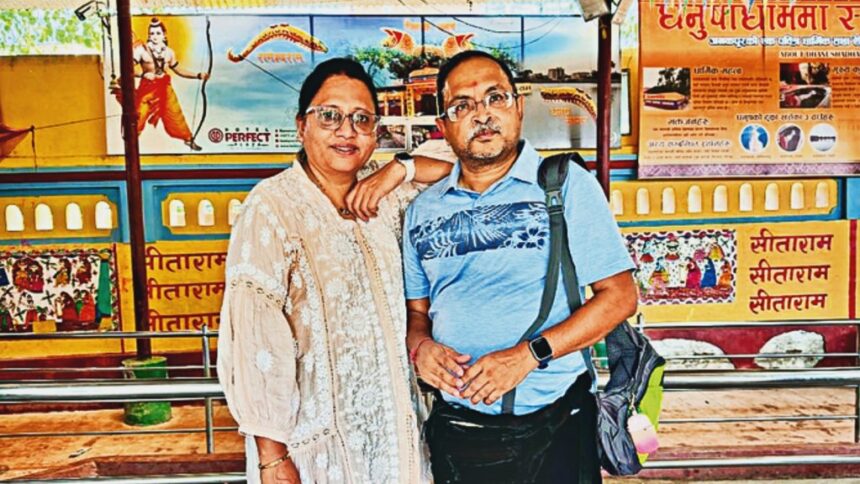
Among those waiting desperately for updates is 82-year-old Sushilaben Patel. Clutched in her hands is a framed photograph of her family: her 58-year-old son Paresh Patel, his wife Jyoti (54), and her 61-year-old daughter Meenaxi Ramani. All three are among the 18 missing NRIs listed by authorities.
Sushilaben last heard from her daughter on August 26. Meenaxi had called to inform her that the group had successfully cleared immigration checkpoints and was proceeding deeper into the mountain pass toward Kailash Mansarovar, warning that they would soon enter a dead zone without mobile coverage. Shortly afterward, news of the widespread flood disaster began flashing across national television screens.
Like many relatives, Sushilaben is clinging to the hope that the prolonged lack of communication is simply due to damaged telecommunication towers rather than a tragedy. However, as the hours turn into days, anxiety across the region continues to climb.
The crisis in Nepal has left hundreds of pilgrims stranded across challenging terrain in the Rasuwa district and adjoining border regions. Official estimates indicate a surging toll, with hundreds of Indian pilgrims stuck or untraceable following landslides and river overflows.
In response, state and central agencies have ramped up coordination efforts with Nepalese and Chinese authorities to pinpoint the locations of trapped tour groups. Special rescue operations are underway, utilizing military helicopters and ground rescue teams to clear debris and evacuate survivors from high-altitude camps.
For the families waiting in Surat, Vadodara, and beyond, every ringing telephone brings a surge of hope. Until official confirmation arrives from rescue teams on the ground, they remain united in prayer, holding onto photographs and hoping for the call that brings their loved ones safely home.