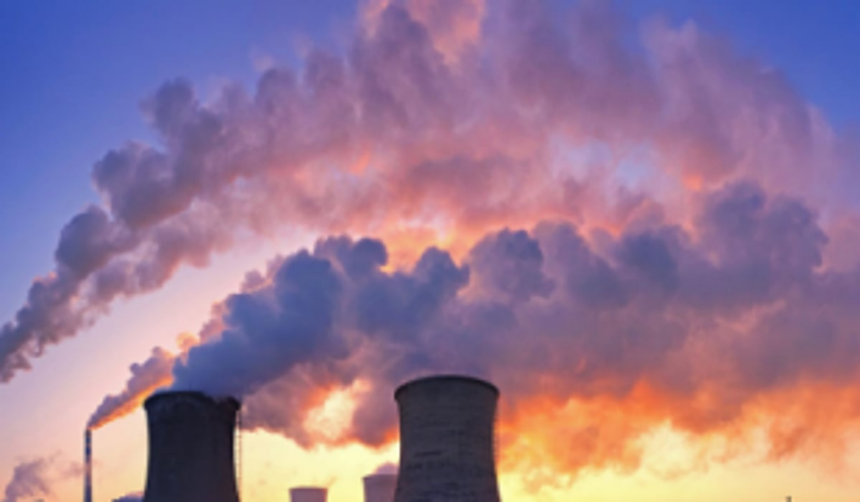
PANJIM: Air pollution turned out to be a major killer in 2019 in the State. A report from the Centre for Science and Environment that analysed various areas, revealed that there were 1396 deaths in Goa in 2019, which were attributable to air pollution and that these figures accounted for 13 per cent of the total deaths that year. It stated that this amounted to an economic loss of 79.9 million US Dollars, which was 0.7 per cent of the State GDP.
The same report also found that Goa, which generates 176 mld of sewage daily, is part of the 13 States that treat less than 20 per cent of their daily sewage.
Goa has nothing much to brag about in the CSE report titled State of India’s Environment in Figures 2021, an annual compendium of data and statistics on key issues of environment and development.
The report, citing Central Pollution Board (CPB) statistics, says that Goa generated an average of 450 kg of COVID-19 biomedical waste per day for the first 21 days of May.
When it comes to all forms of BMW, as on March 12, 2021, Goa was generating and treating a total of 1488.9 kgs per day. For perspective, State authorities have admitted their struggle in dealing with how the size of BMW waste being generated has doubled recently.
The report also stated that Goa has 163 authorised healthcare facilities and 582 unauthorised healthcare facilities.
Incidentally, this report that was released on World Environment Day, says that Goa has generated a total of 28,569 kgs of hazardous waste (HW), as per the CPB 2021 figures.
The State has 1628 HW generating units and 76 landfills where HW is dumped in. There are 3599 recycled HW while 12-15 HW is incinerated and 12879 HW is utilisable.
On a different topic, CSE published details of the Ease of Living Index 2020 that saw Panjim emerge as the best capital city for quality of life. It also published details of the Sustainable Development Goals Index 2020-21 that had placed Goa as the fourth highest in the combined list of States and Union Territories.
It further shared details of MGNREGA Dashboard till April 20, 2021 that covered how payment delays marred the Centre’s flagship employment scheme for rural India, in which Goa had a total of Rs 33 lakh in delayed payments. The largest majority of this was of a gap of 16-30 days.
The report also covered job crunch in India, with Goa (20.6%) being part of the ten States that had an unemployment rate of above 15 per cent.
CSE also shared details of the National Family Health Survey that showed how between 2015 and 2019, Goa fared badly when it came to malnutrition indicators; higher incidence of C-section deliveries than the safe levels; having less than 80% households using clean fuel for cooking; and out-of-pocket expenditure per delivery in a public health facility.
On the other hand, Goa fared better when it came to States/UTs having recorded a reduction in child and infant mortality rates; an increase in the share of expectant mothers who undertook antenatal check-ups in the first trimester; an increase in population living with electricity access.
CSE’s report also revealed that Goa has a 42 per cent shortage of specialist doctors and 67 per cent radiographers at Community Health Centres (CHC). Goa also has a 28 per cent shortage of lab technicians at CHCs and Primary Health Centres (PHCS).
On Biodiversity, Goa reported 131 forest fires between January 1 and May 1, 2021. It also covered the incidence of wildlife crimes in the State.
In land records, Goa was average when it came to its individual parameters on its quality of land records but was amongst the better States on the country’s overall list.
It reported that Goa has 58,114 farmers out of which 54 per cent are cultivators and 46 per cent are agricultural labourers. Goa was also amongst the lowest States in the country when it came to farm labourer suicides.
In the agricultural space, Goa did report two protests on economic/farm policies and two others related to procurement and fair prices between January 2020 and May 2021.
The State also has 23,000 hectare of land under organic farming, which is 18.1 per cent of the total cultivable land.
State has achieved only 2 per cent of its 2020 solar power target of 358 MW. Goa has installed 6.49 MW of solar rooftop power as per 2021 figures.