Jayesh Naik, Govind Naik, Rajesh Naik, Sandeep Kalangutkar, Krishna Hanchoti, Nitin Bhosale, Nitin Dicholkar, Vivek Damkale and Rashikant Gavas were facing trial for their direct and indirect roles in the suspected kidnapping and murder of Bellari on January 1, 2011. All nine were denied bail for four years. Two more accused, Vinod Kumar and an unknown person, are still absconding. (Photo on Pg 5)
“Right from the beginning I felt that this was a politically-motivated case and the accused were innocent. The political force works when the government wants to implicate someone. They manage the police, who manipulate evidence and present it to the judge. The judge has to go by that and then the truth comes out in the course of trial. The judge is helpless if a false case is filed and has to wait till the judgement is passed,” said Advocate Rajeev Gomes, the counsel for four accused.
Advocate Amey Prabhudessai, counsel for Sandeep Kalangutkar, was happy with the judgement. He said, “The absconding accused will either be acquitted along with the other accused as it is joint evidence, or if the learned court feels there is some separate material against the other two accused, then the trial may continue after their arrest. That depends on what the judgement says.”
A few legal experts had also claimed that many of the accused were framed mainly due to political reasons. The litigation involved four advocates, five judges and the examination of 59 witnesses.
The nine accused were tried for the alleged kidnapping and murder of Sultan Bellary, who had robbed Jayesh Naik’s shop a few days before his death. Jayesh and the others were alleged to have kidnapped Sultan from Pedda-Benaulim and locked him in the gym of Samarth Gad in Rumdamol, Davorlim. They allegedly tortured him and later chopped off his head.
The Maina-Curtorim police led by then Police Inspector Siddhant Shirodkar found Sultan’s body in Nessai, while his head was found burnt in Shelvona, Curchorem. The tools used to commit the crime were found in a rivulet in Kalem, Sanguem.
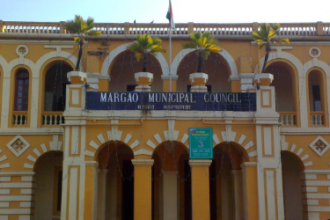
The group, which is attached to the Bajrang Dal, was tainted for religious extremism in Margao.