VASCO: This is a startling fact. As Herald reported, the number of people whose deaths were linked to air pollution in Goa in 2019 was close to 1400, according to a report by the Centre for Science and Environment.
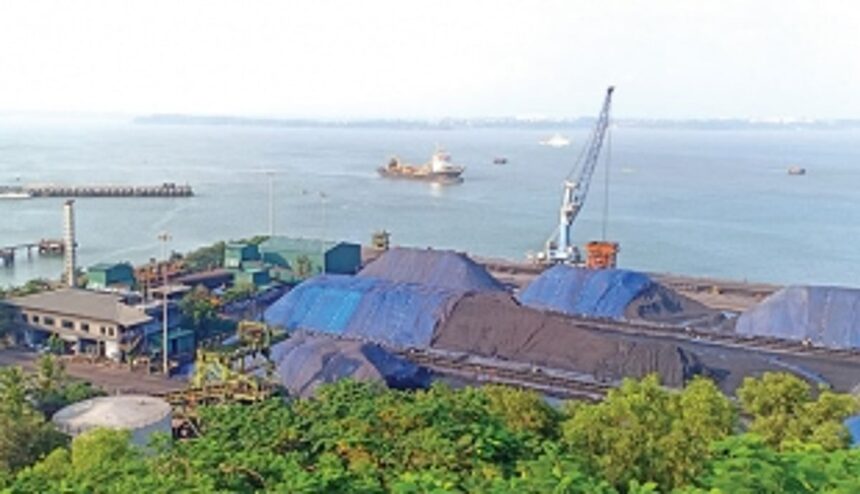
While this was during pre-Covid times, the figure is close to fifty per cent of the total number of COVID casualties in Goa, roughly a twelve-month period from mid-2020 to mind 2021. Though the study doesn’t indicate the specific areas in Goa, there is a very high likelihood that the air quality in a large radius around the Mormugao area was a direct result of pollution caused by rampant coal pollution. Even today, during COVID times, locals and anti-coal activists speak of non-stop coal transportation and pollution even during the times of COVID restrictions. As people remained indoors to save their lives, their futures were constantly put at risk by coal-laden wagons. There was no quarantine against coal pollution.

Savio Correia, environmentalist and anti-coal activist from Vasco said that the data released in the Assembly in 2019 states that 4,500 people in and around Vasco required hospitalization in GMC in T.B. hospital and other govrnment hospitals.
He further said that the children and the senior citizen category people are the most vulnerable to this pollution. “I have faced this problem with my own son in his childhood days as he would feel difficulty in breathing due to coal pollution and at times we had to put my son on the nebulizer. Doctors told us that this was because of the coal dust pollution,” Correia said.
He said that “coal handlers are unable or unwilling to take measures to control the coal pollution. The only option left is to stop coal handling in MPT,” he added.
Capt Viriato Fernandes, State convenor of Goencho Avaaz Party and social activist said, “MPT is not supposed to be used for cargo like coal and this was aptly put in black and white in a report made by a committee chaired by a high official of MPT himself in 2012. This report was about the 12th Five Year Plan.”
Fernandes added, “In the pandemic during the first wave and second wave majority of the people who died are from the Vasco and from Mormugao taluka as per the official figures. Two weeks back as per the government figures 273 people died from Vasco. Considering these things I feel coal handling should be completely stopped and instead green cargo should be considered.”
Parshuram Sonurlekar, Goa First NGO president and RTI activist from Vasco said that people are finding it difficult to survive in pandemic times. There is no permission to carry coal from the municipal jurisdiction on trucks. Chief Minister had promised to decrease the quantum of coal by 50 per cent but not even 5 per cent has been decreased, he said.
Sonurlekar said that in Vasco several COVID deaths were due to lung infection caused by coal pollution. “We wrote to the government, did agitations against coal but government seems to turn a blind eye towards this issue. We want a complete stop on coal handling in MPT for people’s safety,” Sonurlekar added.
Xencor Polgi, anti-coal activist from Headland Sada said that coal pollution exists at Sada, the jetty and Vasco. It is visible on the roads, water and is in the air. “Many people fell ill during COVID-19 wave and died. The reason behind such infections and deaths in the Vasco area is the coal pollution.”
He added that even marine life is in danger due to the coal pollution which during the monsoon will go into the sea. “Coal handling in Mormugao needs to be completely closed totally. People have suffered cancer, lung-related health issues. Government should consider bringing in green cargo and should stop coal handling” he said.
Vikram Sarmalkar, activist of ‘Goa Against Coal’ (Citizen’s Group) said coal pollution in Vasco is very bad along with other cargo like bauxite. The transportation of such hazardous cargo is haphazard that the cargo dust falls on the roads and later that dust enters into the body or settles on the roads, trees, structures.
He added that Goa Against Coal had collected several samples of the dust from people’s houses and had given it to the Pollution Control Board but there was no action. The anti-coal protest, agitations and complaints to the GSPCB has fallen on deaf ears.