An air of apprehension grips the farmers of Seraulim as they brace for the upcoming agricultural season amid concerns about sewage-laden water infiltrating their fields. The looming threat stems from the recent closure of a vital sluice gate near the wholesale fish market along the river Sal.
The Water Resources Department’s ambitious project aimed at improving the water quality of the river Sal on the Nuvem-Verna river stretch by constructing a barrage near the wholesale fish market has left farmers in neighbouring Seraulim deeply troubled. The mechanically operated gates of the barrage, when closed, result in a surge in water levels in the river, leaving the Seraulim fields devastated with sewage water.
Approximately 3 lakh square meters of agricultural land, affecting 50-60 farmers, face the adverse consequences of this project. Farmer Stanley Fernandes expressed dismay, recounting a similar incident last year when sewage-infested water inundated their water harvesting facilities, causing setbacks to their agricultural activities.
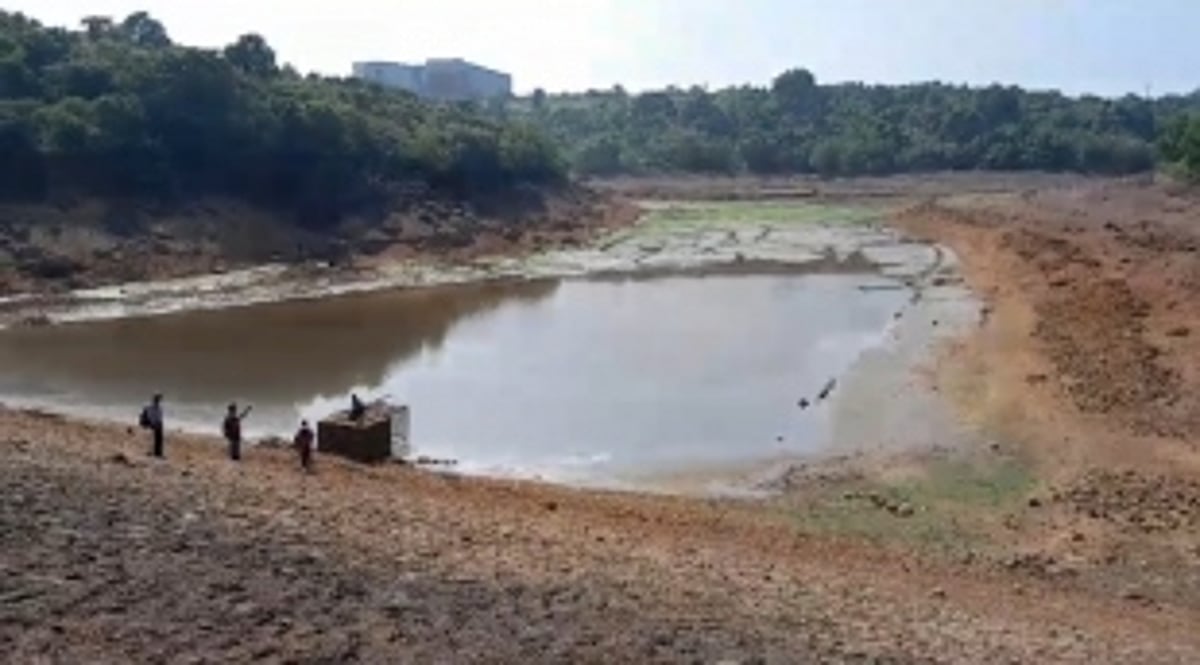
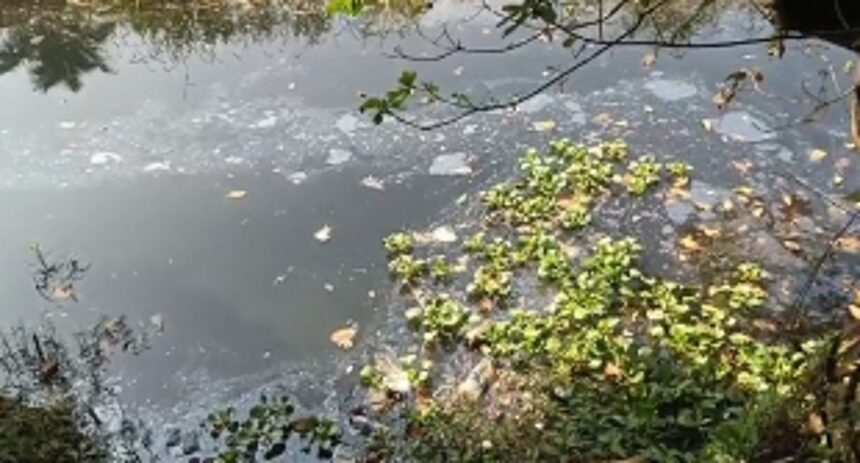
The looming threat poses a significant challenge to the five lakh square meters of paddy fields intended for cultivation at Seraulim-Patto in the upcoming season. Stanley Fernandes highlighted the drastic change, noting, “Earlier cows would graze in this field and drink water, but now they barely even enter the fields. The water is filled with sewage and has become a breeding ground for mosquitoes.”
Fernandes pointed out that the highest water harvesting bodies in the state are in Seraulim, used for field irrigation. The contamination of these water bodies poses a serious concern for the farming community. The ongoing preparations for the impending agricultural season intensify the anxiety among farmers who fear a recurrence of adverse conditions if the sluice gate is closed again.
The contaminated water not only affects the fields but has also led to skin issues among farmers. Manuel Fernandes, another affected farmer, emphasized the urgency of government intervention, stating, “We never faced this issue five years ago, if we go in the fields we get blisters and rashes on our feet because the water is black, it even smells bad. Even if we hire labourers, they avoid going into the fields. We do not really know the main source of the contamination, fish have died in this water, and there used to be crocodiles that have now disappeared. Once upon a time, we used to drink this water and now we can barely enter it. We request the govt to conduct an inquiry and test the water.”
Seraulim activist Kevin D’Souza amplifies urgent calls to address the imminent risk posed by sewage-contaminated water jeopardizing village fields. Highlighting governmental apathy, D’Souza stresses the need for an immediate resolution to prevent irreversible harm to agricultural lands.
He connects stormwater from Fatorda to river Sal contamination near the fish market and laments the sluice gate’s unintended consequence: diverting sewage back into fields. Despite efforts to engage Water Resources Department officials and discussions at the Seraulim gram sabha, swift action is essential. “This point was brought up in the Gram Sabha on Sunday, we asked the WRD and agriculture dept for an inspection because of the new sluice gates, which was intended for solution but has only brought up ‘new’ problems for the farmers,“ said D’Souza. He added that such incidents will de-motivate farmers and they’ll quit farming.
D’Souza emphasizes the collective plea for authorities to intervene and safeguard Seraulim’s agricultural landscape from destruction due to sewage contamination.
The uncontrolled release of untreated sewage through stormwater channels in the Fatorda region under the Margao Municipal Council remains a prevalent issue. Reports suggest that multiple stormwater channels, numbering between 2 to 3, channel untreated sewage water into the river Sal along the Donvodem-wholesale fish market stretch.
Adding to this concern is the absence of an operational Effluent Treatment Plant (ETP) at the wholesale fish market. Because of this waste water from this market continues to directly enter the river Sal, contributing to water contamination.