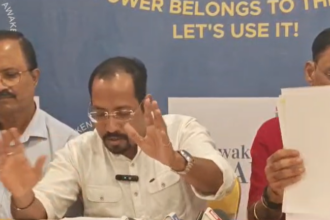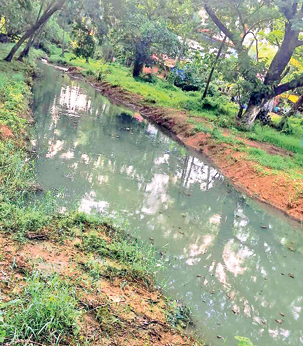
Despite the gov ernment investing crores of rupees in building sewerage infrastructure to prevent pollution of Goa’s rivers, un treated sewage continues to flow through open drains in Margao and ultimately into the River Sal, raising un comfortable questions over whether the expensive net work is delivering the envi ronmental protection it was meant to provide. Social activist Sanjay Dessai said “It is shocking that, even after spending crores of rupees on sewage treatment infrastructure, raw sewage is still being discharged into nallahs and ultimately into the Riv er Sal. This is a complete failure of the system and raises serious questions about the functioning, maintenance and moni toring of the sewage treat ment network. Taxpayers have a right to know why such expensive infrastruc ture is failing to prevent pollution.” Residents living near the affected stretches say foul odour and polluted drains have become recurring features.
This has fuelled fears that untreated sewage continues to find its way into the River Sal despite the existence of a sewerage system meant to intercept and treat such waste. Dessai warned that the consequences extend be yond foul smells and polluted drains, posing a serious threat to people’s health as well as the river’s fragile ecology. “The River Sal is not a sewage canal. It is a lifeline for several communities and an important natural resource. If untreated sewage continues to flow into the river, the envi ronmental damage could become irreversible. The author ities must immediately identify the source of the pollution, rectify the failures in the system and hold those responsi ble accountable,” he added. Environmental observers say contamination of the River Sal has implications far beyond Margao, affecting aquatic biodiversity, fishing activity and communities living down stream that depend on the river for their livelihoods. Citizens have called for an independent technical audit of the entire sewerage network, regular monitoring of sewage treatment plants, public disclosure of water quali ty reports and time-bound corrective measures to prevent untreated sewage from entering natural water bodies. Residents argue that unless the government identifies operational failures, rectifies defects in the sewerage net work and fixes accountability, the crores spent on sewer age projects will amount to little while Goa’s rivers contin ue to bear the burden of untreated sewage.