JENIFER FERNANDES

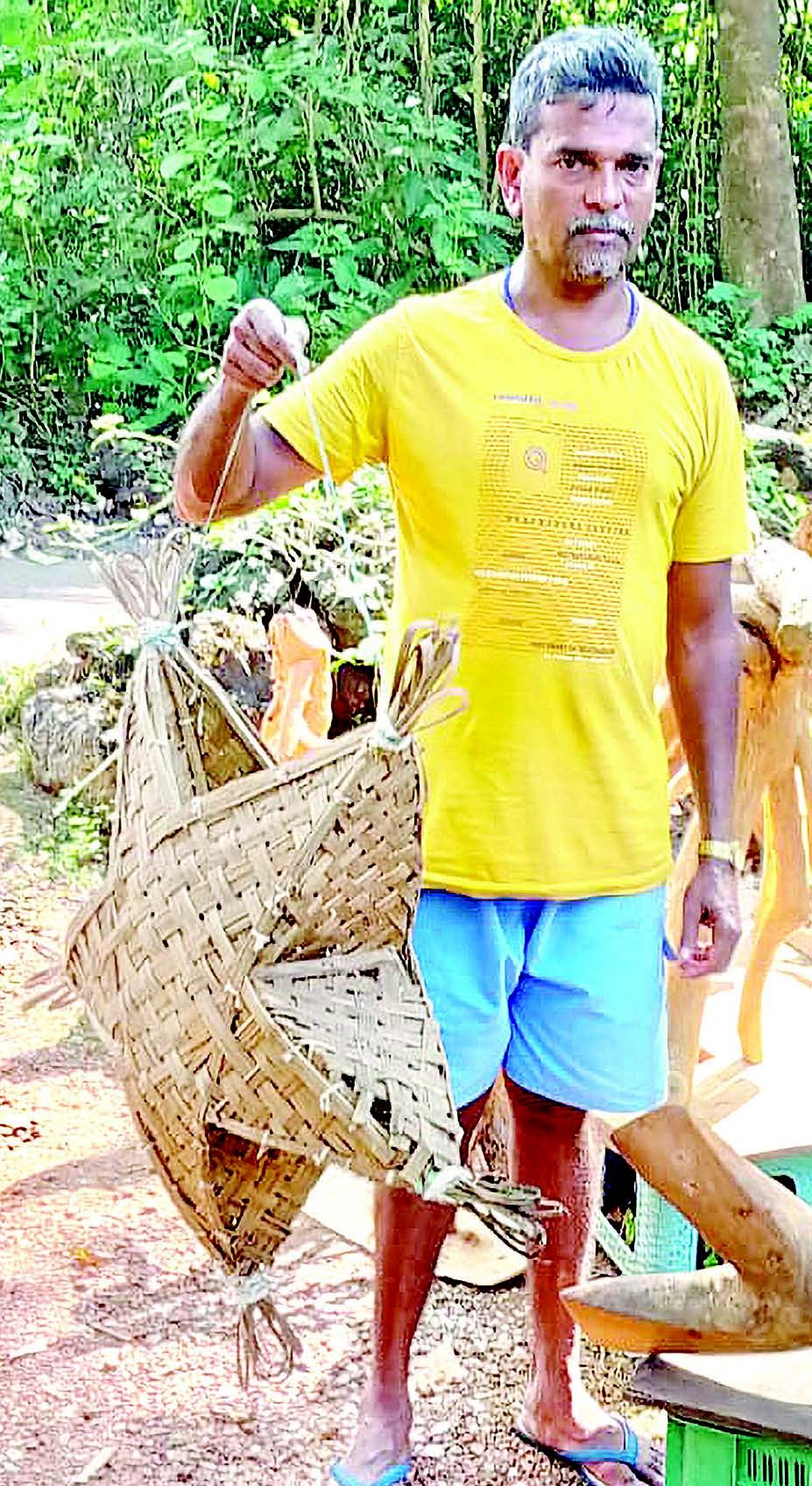
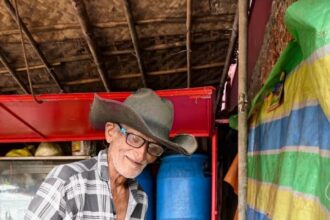
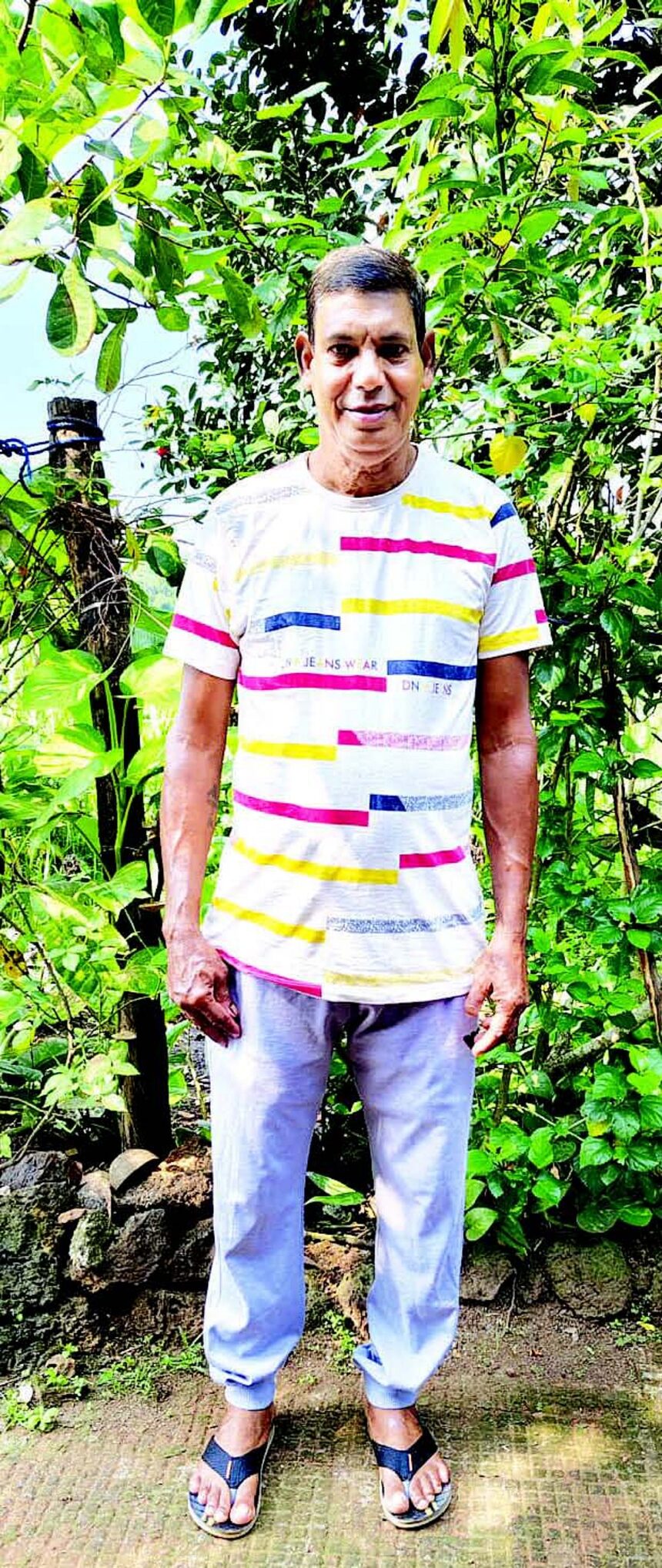
ALDONA: For over 30 years, Antonio Coutinho of Lozar in Quitla, Aldona, has been dedicated to a trade deeply rooted in Goan tradition—catching pigs and selling pork in local markets. His work continues a legacy started by his father, who spent 40 years in the same trade. Together, their efforts represent nearly seven decades of preserving a culinary and cultural heritage that remains an integral part of Goan feasts and festivals.
Antonio recalls a time when pigs were caught with the help of dogs, a practice now replaced by sourcing animals from farms or local suppliers. “Goan pigs, or gavti pigs, used to provide more meat and less fat. Nowadays, we mostly get pigs with more fat, which has changed the meat quality,” he shares.
His daily routine involves meticulous effort from start to finish. After he manages to catch a pig, Antonio brings it home for the night, butchers it himself and prepares the meat overnight, ensuring it is ready for the market early the next morning. “There are different cuts of meat—boneless, lean meat, ribs, and fat. Each type has its use. People make sorpotel, vindaloo, and especially choris, which is a favourite among Goans. No feast or function is complete without dukra maas on the menu,” he says with pride.
Despite the labour-intensive nature of his work, Antonio has found fulfilment and success, educating his children and providing a stable life for his family. “Many people wonder if there’s profit in selling pig meat, but I can proudly say it has given me a happy family life and helped me educate my kids. It’s not just a livelihood but a way to carry forward a tradition,” he says.
Antonio laments the declining interest in traditional occupations among the younger generation. “Today’s youth shy away from hard work. They want government jobs with high salaries and recognition. But traditional work, like selling meat, offers independence and stability. It’s sad to see these trades fading because people consider them time-consuming or beneath them,” he remarks.
He reflects on his decision to embrace this trade after dropping out from school in the fourth standard. “I chose to support my father and later took over the business after his passing. It’s hard work—searching for a good pig, preparing it, and selling the meat under the hot sun—but I have no regrets. I feel this is my destiny,” Antonio says.
Antonio has witnessed changes in the trade over the years, with demand declining significantly. “Earlier, we would prepare three pigs at a time to meet the demand. Now, it’s just one pig,” he observes. He worries that if traditional methods of preparing and selling meat disappear, future generations might rely solely on frozen meat.
Grateful for the blessings he has received, Antonio remains committed to his work. “With God’s grace, I am happy and healthy. I pray for the strength to continue this as long as I can. Even though I work alone, I feel proud to uphold this tradition. It’s a way of life, and I wouldn’t trade it for anything else,” he concludes.