JENIFER FERNANDES
For Mario Almeida of Aldona, food is not just a business—it is a family tradition, a way of life, and a legacy he is determined to preserve.

“I started this work when I was just 10 years old,” Mario says with pride. “We were first involved in the bakery business since childhood.”
Growing up in a family deeply rooted in the bakery trade, Mario spent his early years learning the craft alongside his family. Their bakery was known for making fresh bread, pao, and other traditional baked items that served the local community for decades.
“Our family ran the bakery business for more than 40 years,” he recalls. “We mostly made all types of bread, and that was our life.”
Like many Goans seeking better opportunities, Mario later moved abroad. At around 20 years of age, he left for Dubai, where he worked for nearly 15 years. Despite building a career there, home was always calling him back.
“After some years, I left the company there and came back home. I wanted to continue our family work, and that is how we moved into making and selling snacks,” he says.
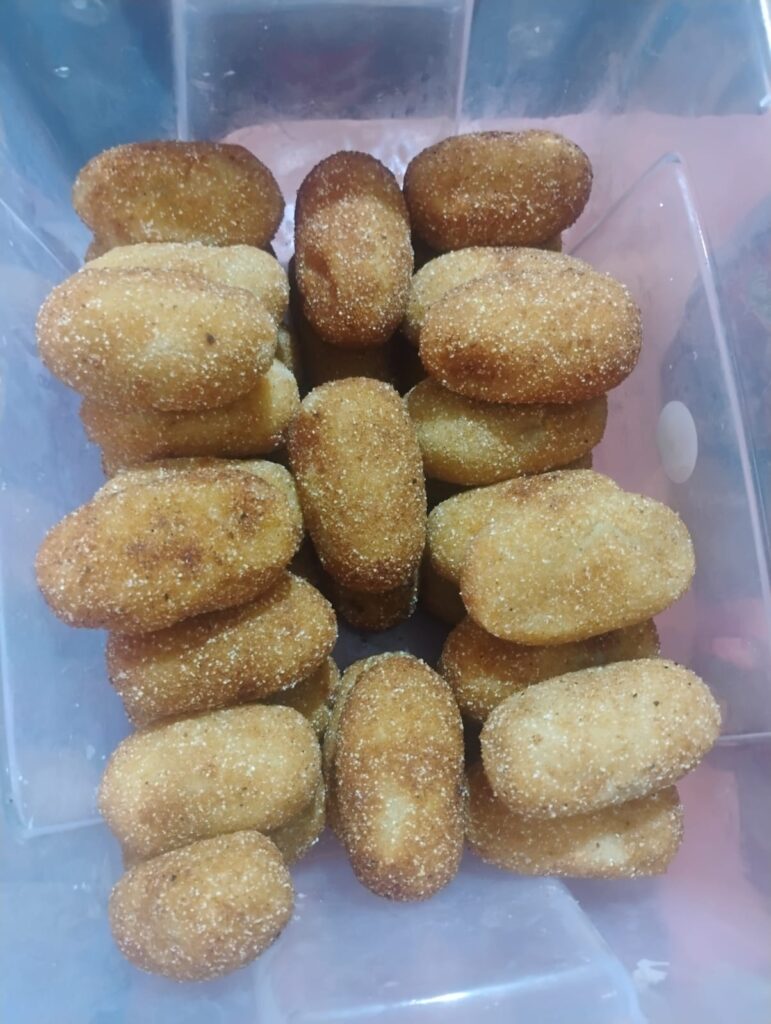
Today, Mario is well known for his freshly prepared homemade snacks—rissoies, chicken rolls, burgers, chops, sannas, and bread—all made using traditional methods passed down through generations.
The day for Mario and his family begins before sunrise.
“We wake up around 4:30 am in the morning. Everything is prepared fresh—fried, packed, and ready before customers arrive. Nothing is stored for too long. Freshness is everything for us.”
His wife and children work alongside him, helping ensure every order is completed on time. Hygiene, he says, is one of their biggest priorities.
“Our kitchen is just like a home kitchen—very clean and well maintained. Since we sell food, cleanliness is extremely important, especially on Sundays when orders are heavy.”
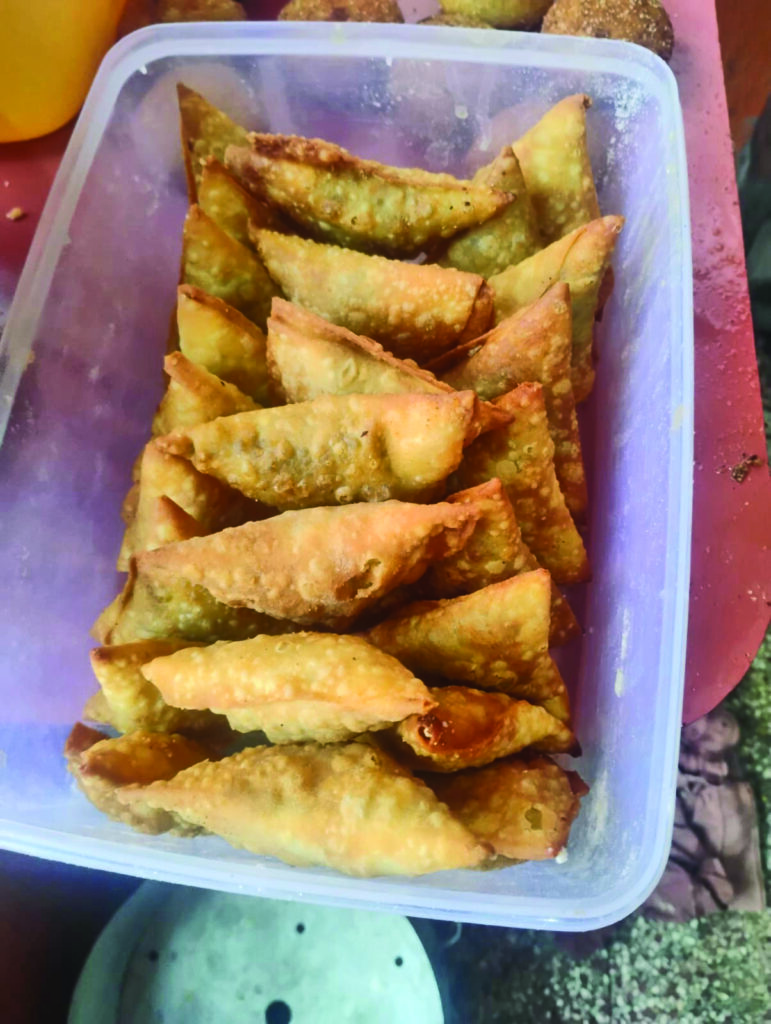
Ingredients such as potatoes, vegetables and masalas, meat and other essentials are bought fresh from local markets the previous day. Every item is prepared according to demand, and they also take orders for birthdays, family functions, and other events.
Mario’s old shop located in the market, however, was demolished with the promise of a new market complex. Over year later, the new complex is still incomplete.
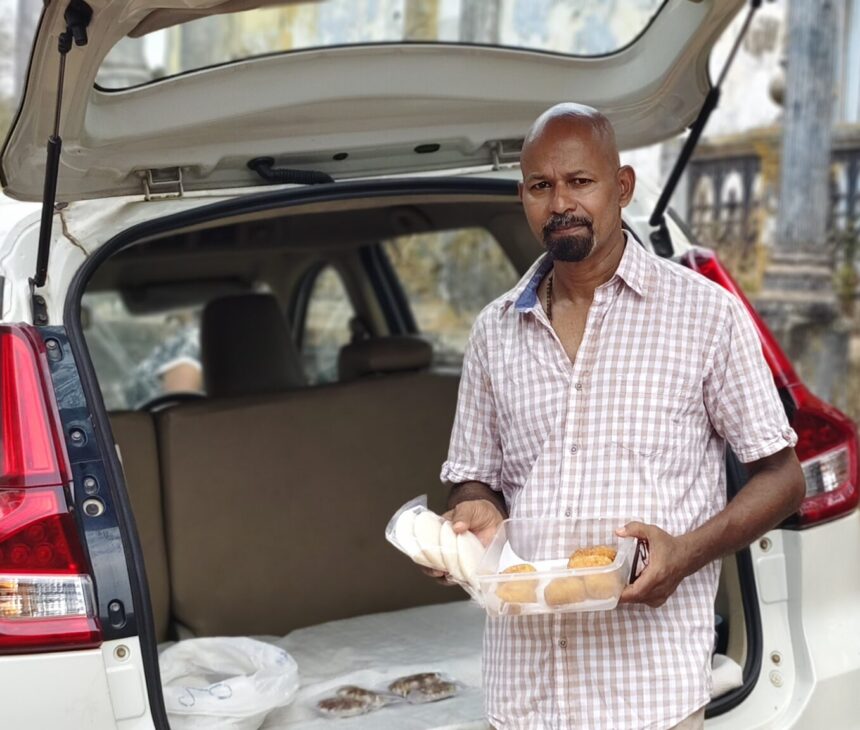
“We were told a new market complex would come up, but till today it has not started. Since the shop was demolished, we now sell from a vehicle parked beside the road.”
Though the shift has been difficult, Mario has refused to let the family business die.
“We continued because people know our taste and trust our food. Many customers have been coming to us for years. Even school students come to buy snacks for their tiffins.”
Customer appreciation keeps him motivated.
“They always say our snacks are tasty and different. That makes us happy because it means they value homemade food.”
Mario has now been selling snacks for nearly 20 years, following the passing of his father, while his experience in bakery work spans over two decades as well. Before returning fully to the food trade, he also worked as a foreman on a vessel.
But beyond business, what concerns him most is the fading interest among the younger generation in traditional food preparation.
“Today, most young people want easy work. They want office jobs or to go abroad. Very few want to continue traditional work from home.”
He worries that the growing dependence on packaged foods is harming both health and heritage.
“People are living fast lives and eating packed food full of preservatives. Later they suffer from diseases and realize the value of homemade food—but by then it may be too late.”
For Mario, traditional Goan snacks are more than food—they represent health, identity, and culture.
“Our parents taught us these traditional methods by hand. Today machines are there, but handmade food has its own quality. Our recipes are difficult to make, but they are natural, fresh, and healthy.”
He believes parents must play a role in passing down these traditions.
“Our children feel shy and don’t want to continue this work. We must encourage them and show them that this is something valuable.”
His message to the public is simple but heartfelt: “Eat what is healthy and free from preservatives. Don’t get attracted only by fancy packets and designs. Natural food is always better—and tastier too.”
Even after losing his market shop, Mario continues to serve his community from his vehicle, carrying forward a legacy built over generations.
“This is traditional Goan snack culture, and we want to continue it. I only hope the new market complex is ready soon so I can return to my shop once again.”