FRAZER ANDRADE
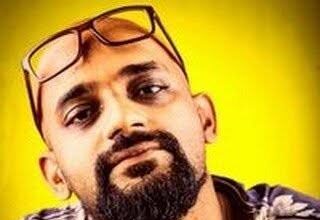
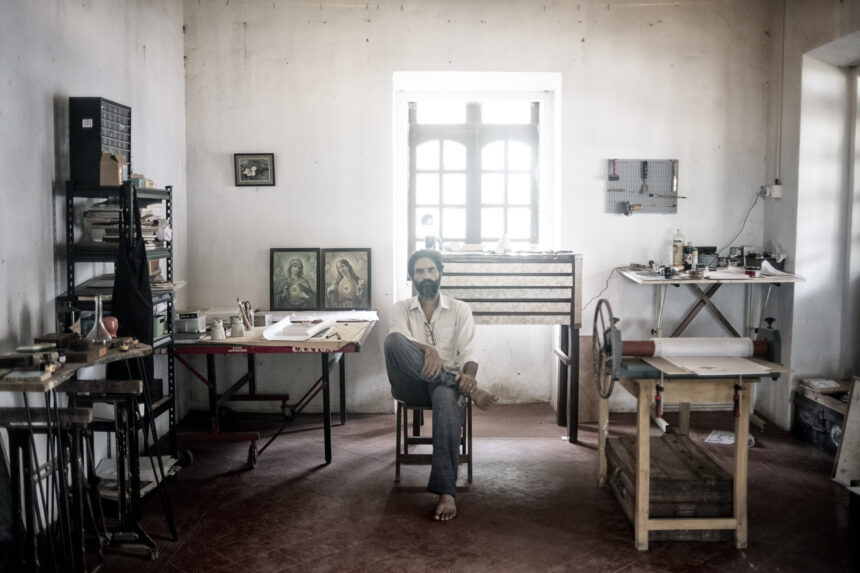
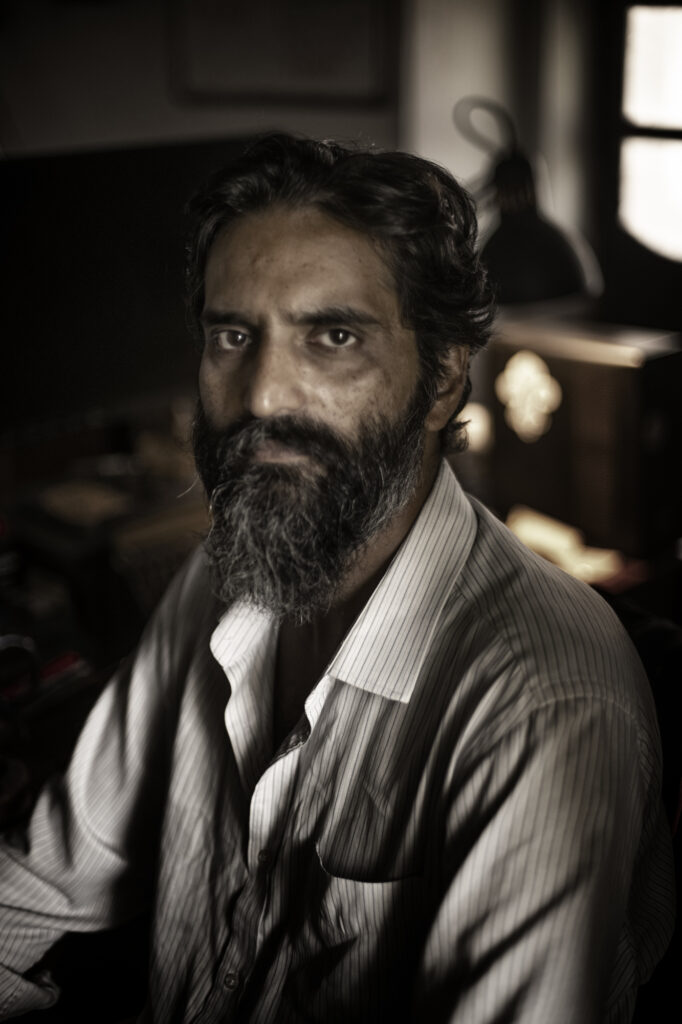
In an age dominated by pixels, printers and instant digital reproduction, artist Chandan Crasta of Moira, Goa, has chosen a slower, more tactile path. With a sharp carving tool in hand and a sheet of linoleum before him, Crasta is keeping alive an age-old spirit of printmaking one painstaking impression at a time.
“My journey into linocut began in 2017, when a graphic design website introduced me to an artwork that seemed unlike an ordinary print. Its bold graphic quality and thick paper caught my attention. It was, in fact, a handmade linocut, an image painstakingly carved into a linoleum sheet and then transferred onto paper by hand. That discovery set me on a journey that would become an important part of my artistic practice”, mentioned Chandan.
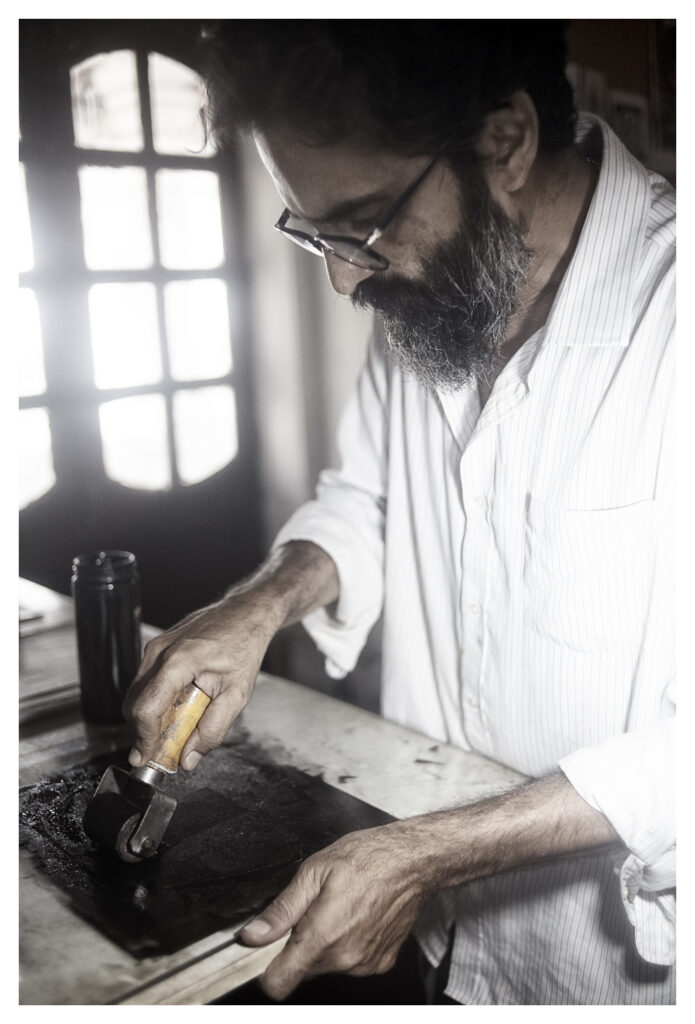
What draws him most to linocut is its physicality. Every stage demands an intimate understanding of the material: choosing the right paper, carving the lino, applying the ink and finally pulling the print by hand. Unlike digital art, there is little room for instant correction. The artist must work slowly, deliberately and accept the occasional mistake as part of the process.
For Crasta, however, the real magic lies in the relationship between light and absence. A freshly inked lino sheet could simply produce a solid black image. It is through carving away what is unnecessary that the image emerges. In removing material, he creates light, form and meaning.

Crasta’s work is deeply rooted in the cultural landscape around him. Goa’s churches, architecture, craftsmanship and natural beauty provide an inexhaustible source of inspiration. “Rather than merely reproducing familiar Goan imagery, I seek to draw attention to details that people may have passed countless times without noticing”, says Crasta.
The elaborate symbolism found in Goa’s Catholic churches particularly fascinates him. Gold-gilded altars, religious figures and decorative motifs carry stories and meanings that are often overlooked today. Crasta incorporates some of these elements into his prints, inviting viewers to pause and decipher them.
His intention is not simply to document Goa, but to encourage people to look more closely at what already exists around them. A symbol in one of his prints may prompt a viewer to ask why it is there, who a particular figure represents or what story lies behind it.
For Crasta, curiosity can itself become a form of preservation. If people understand and appreciate their cultural heritage, they are more likely to cherish and protect it.
His fascination with Goa extends beyond its built heritage. A recent series inspired by the birds of Goa brings together birds, azulejo-inspired elements and the biblical passage from Matthew 6:26, which calls attention to the birds of the air. His background in graphic design also finds expression through typography, while the birds are named and hand-watercoloured, creating an unusual meeting point between printmaking, design and illustration.
An Art Form for a Digital Age
There is an intriguing irony in the renewed interest in linocut today. At a time when almost everything can be created, copied and shared digitally within seconds, people are increasingly drawn to art forms that demand patience.
Crasta sees linocut as a deliberate, slow and unforgiving medium, one that offers texture, tactility and a distinctive graphic quality. Its appeal, he believes, may partly stem from the excess of digital life. The physical act of carving, inking and printing provides an experience that screens cannot replicate.
His commitment to the medium has also led him to demonstrate the craft for others. He believes linocut cannot truly be understood in a few hours. It requires time with the tools, failed attempts, ruined prints and repeated experimentation before an artist develops a feel for the material.
Where Tradition Meets Goa’s Sacred Past
Crasta’s artistic vocabulary draws from Baroque and Gothic art, both of which are richly represented in Goa’s churches. He also looks towards early printmaking traditions such as woodblock printing and engraving.
Rather than closely following other contemporary printmakers, he is intent on developing his own visual language. “Fellow artists like Conrad Pinto and Swapnesh Vaigankar have offered guidance when I encountered difficulties, while the community of printmakers around Moira provides me an informal network for sharing materials, ideas and experiences”, Crasta admits.
One of his most significant projects came in November 2024, when he was commissioned, along with other Goan artists, to create a work inspired by St Francis Xavier. The resulting linocut, embellished with gold leaf, became his largest print to date, measuring 12 by 16 inches.
The image depicts St Francis Xavier looking heavenward in rapture, clutching a cross. The scale allowed Crasta to introduce greater detail and explore the possibilities of combining linocut with gold leaf. Each print required two to three hours to pull by hand, while the gold-leaf work took an additional two to three days.
Keeping the Craft Alive
Crasta’s revival of linocut has emerged naturally from his love for it. The medium spoke to him, and he followed where that fascination led.
His work inevitably contributes to keeping a traditional form of printmaking visible in Goa.
He believes the future of the craft depends not only on individual artists but also on creating a community around it. Goa currently has limited resources for printmakers, including dedicated spaces, equipment and materials. A shared studio equipped with tools, presses and supplies, he feels, could become a place where artists experiment, exchange ideas, teach one another and simply spend time practising the craft.
A gallery dedicated to printmaking could further introduce the public to the work being created in Goa and build greater appreciation for the medium.
For Crasta, the survival of linocut will ultimately depend on people coming together to practise, share, teach and push the medium forward.
And perhaps that philosophy captures the essence of his own work. In a world that increasingly values speed, Chandan Crasta chooses patience. Where digital images can be reproduced endlessly, he embraces the individuality of the handmade impression. Where an ordinary sheet of lino appears blank, he sees the possibility of light.
With every cut, every inking and every painstakingly pulled print, the artist from Moira is not merely creating pictures. He is inviting Goa to look again and, perhaps, to rediscover the beauty it has been carrying all along.