AMAN VERMA
[email protected]
Across Goa, the festive season is in full swing, with Christmas celebrations taking on a more modern and lively character. Bright lights, packed schedules, and large gatherings now shape the season for many. The focus has shifted towards convenience and display, influenced by social media and aesthetic trends, leaving little room for the slower traditions that once defined Christmas in the Pearl of the East.

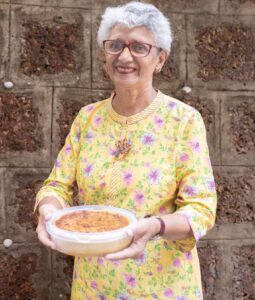
Isabel Vás, 74, an author, theatre director, and teacher, described Christmas as a deeply religious and family-centred occasion rather than one defined by noise or spectacle. Growing up in a large household that included grandparents, parents, uncles, aunts, and siblings, she recalled homes filled with people and constant activity. Everything, from decorations to food, was prepared at home, with nothing bought from stores. One of her strongest childhood memories was attending midnight Mass with her parents, braving the cold while dressed in new clothes and shoes. Christmas Day, she remembered, was reserved entirely for family gatherings. Her father played a key role in preserving traditions, especially through crib-making, crafting a new and unique crib every year. She continues this tradition in her own way, emphasising that the crib still holds deep significance for her. Reflecting on present-day practices, she noted how cribs have become mass-produced, brightly coloured, and largely identical, losing their personal touch.
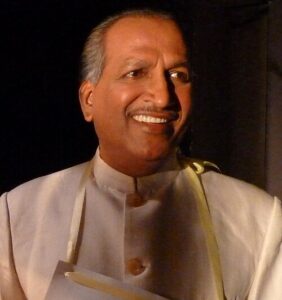
Tomazinho Cardozo (79), a playwright and writer in Konkani and English, and former Speaker of the Goa Legislative Assembly, spoke of a simpler, community-driven Christmas, far removed from today’s nightlife-centric celebrations. The church and midnight Mass, he said, were central to the season, with celebrations staying close to home and within neighbourhoods.
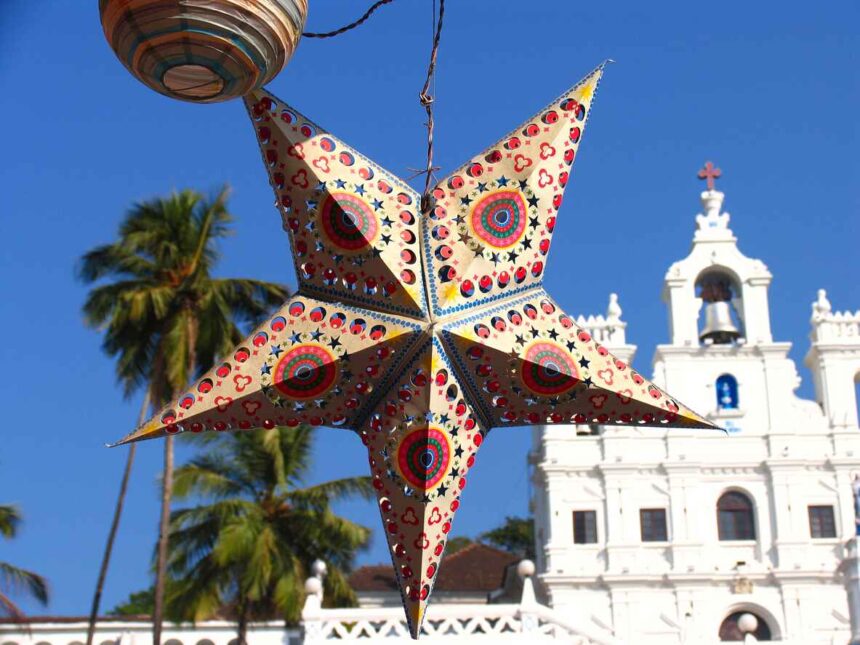
“Every Christian household made its own Christmas star, cutting and shaping bamboo frames and covering them with paper. It was a process that took days,” he said. With limited electricity, some homes lit their stars using small oil lamps placed carefully inside, adding both charm and risk.
“The church and midnight Mass were central to the season, with celebrations staying close to home and within neighbourhoods. Every Christian household made its own Christmas star, cutting and shaping bamboo frames and covering them with paper. It was a process that took days. With limited electricity, some homes lit their stars using small oil lamps placed carefully inside, adding both charm and risk.”
— Tomazinho Cardozo, former Speaker of the Goa Legislative Assembly
Tomazinho observed that club culture, now closely associated with Christmas and New Year celebrations in Goa, was once restricted to a small, elite section of society. For most families, Christmas had little connection with clubs or parties. Instead, the season revolved around attending Mass, visiting relatives, and welcoming neighbours. Food was simple yet meaningful, with staples such as sanna, bebinca, and beef preparations forming the heart of the celebration. Church decorations were modest, often made using crepe paper, flowers, and leaves rather than elaborate displays.

For Francisco Martins, 77, Christmas represented skill, patience, and a strong sense of community. He recalled a time when craftsmanship brought people together, particularly through elaborate crib-making. He spent nearly 25 days each year constructing large cribs featuring mechanical movements and even human-sized figures. These creations attracted visitors from across Goa, with people travelling long distances, sometimes by bus from seminaries, just to see them. With the support of his mother, Francisco opened his home to the public during the festive season. Carol singing also played a vital role in celebrations, with groups visiting neighbours’ homes and singing regardless of whether anyone was present, reinforcing bonds within the community.
“I used to spend so much time making a crib. Very big crib I used to make, and people would come by bus from seminaries. It used to take me 25 days to make one crib — all mechanical movements, all that, and human size.”
— Francisco Martins, popularly known as Fanquito, a prominent carnival float designer
Even as Christmas celebrations in Goa grow more modern and vibrant, the memories of older generations recall a season rooted in simplicity and faith rather than the commercialisation we see today, a time when the true spirit of Christmas shone not through flashy displays or convenience, but in heartfelt participation and, most importantly, the quiet joy of togetherness that resonated long after the celebrations ended.