BY INVITATION
The Royal Bengal Tiger is a magnificent animal endowed with a formidable combination of ferocity, power, strength and agility. The tiger is India’s national animal and the apex predator in a majority of our forests. For me, personally, the tiger draws unparalleled fascination and awe and holds a special place in my heart.
Despite its regal looks and stature, the tiger faces constant threats from both natural and unnatural. While the animal kingdom has its own rules, the tiger’s skin, body parts, teeth, and bones are coveted across the globe, especially in Asia, which has led to indiscriminate poaching coupled with human conflicts causing a drastic reduction of this magnificent animal population from 1,00,000 at the turn of the 20th Century to around 3000 now.
The Government of India launched Project Tiger in 1973 to conserve the tiger population and increase its numbers. Although we have managed to increase the tiger population in some States, this endangered species faces a new challenge every day in the form of the human-tiger conflict predominantly due to the destruction of natural forest habitats by haphazard planning and exploitation of forests driven by short term economic benefits for a few.
In 2011, the Union MoEF (Ministry for Environment and Forests) urged the Government of Goa to consider the creation of repositioning the Mhadei wildlife sanctuary as a Tiger Reserve and asked the State Government to submit a proposal for the creation of a Tiger reserve in the State.
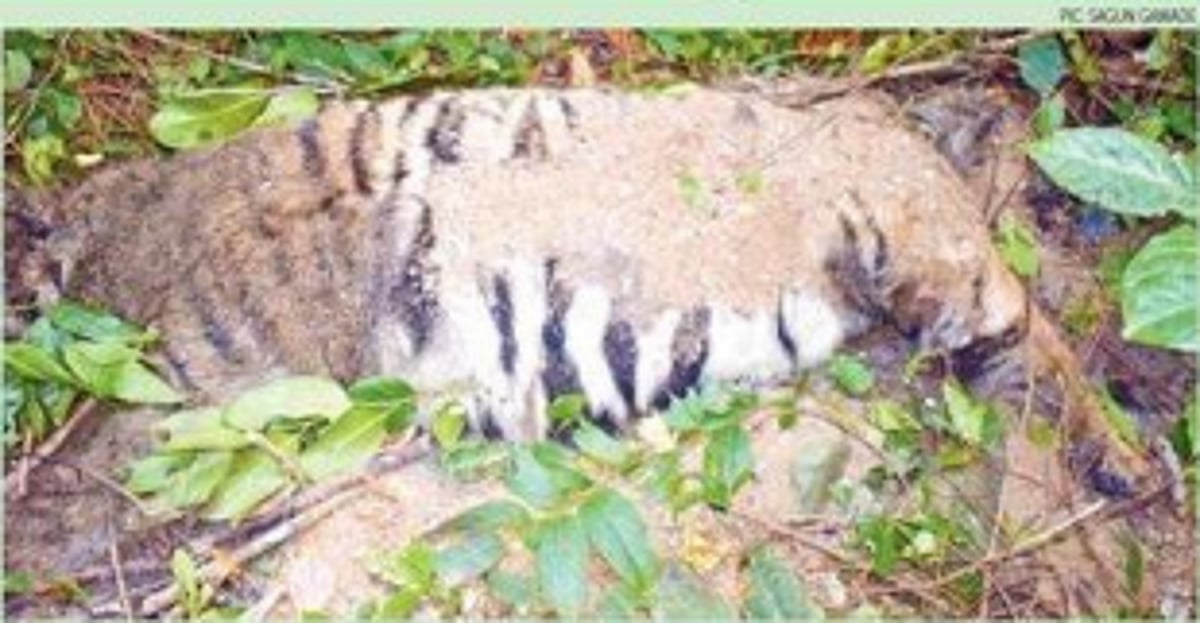
In Goa, recently there were reports of a tigress and her cubs possibly being killed on account of Human-Tiger Conflict. One could assume that the declaration of a Tiger Reserve could be a definitive solution to the much-probed question of tiger conservation. However, in my opinion, considering the geographical nature of the State, it would be prudent to look at the question from a holistic point of view and thereafter decide after detailed deliberations amongst authorities, tiger conservation experts and local communities. We need a solution that would be best suited for all stakeholders and would aid in the ultimate goal of tiger conservation. One of the solutions which comes to my mind would be the creation of ‘Tiger Corridor’ with the States of Maharashtra and Karnataka. A tiger corridor is a stretch of land linking tiger habitats, allowing movement of tigers, prey and other wildlife. Without corridors, tiger habitat can become fragmented and tiger populations isolated leaving the tigers vulnerable to localised extinction and poaching. We should have a unique tiger conservation model for Goa involving local community and declare it as a Community Conserved Tiger Corridor.
As stated earlier tiger conservation in Goa needs to be looked at differently from the rest of the country. Various factors and local issues need to be factored into the equation instead of looking at the issue in isolation. Goa due to its geographically small size needs to support the local communities to provide much-needed fill-up to the economic conditions of especially of the marginalised people. One critical issue that needs to be considered is that tiger conservation in Goa in the present scenario is directly proportional to the conservation of water and for our small State, water security is of utmost importance.
There needs to be scientific intervention at all levels for the conservation of not only tigers but all flora and fauna in Goa. All human-animal conflicts need to be resolved through the participation of all, especially of our local communities, wherein the economic and ecological benefits of flora and fauna need to be shared with all concerned.
As of date, there are 51 Tiger Reserves in India, under Project Tiger which are governed by the National Tiger Conservation Authority of India (NTCA). To add one more in Goa just for the sake of optics with due deliberation and confidence of the local communities may not be the right approach, as the unilateral imposition of such a project may lead to resentment and opposition of the locals like some other development projects are facing in the State. We need a long term, holistic solution that reduces the Human-Tiger Conflict and benefits all stakeholders and which would lead to mutually beneficial co-existence. This would also lead to people being more enthusiastic and supportive of conservation and will demonstrate that people can live alongside wildlife and develop sustainable livelihoods.
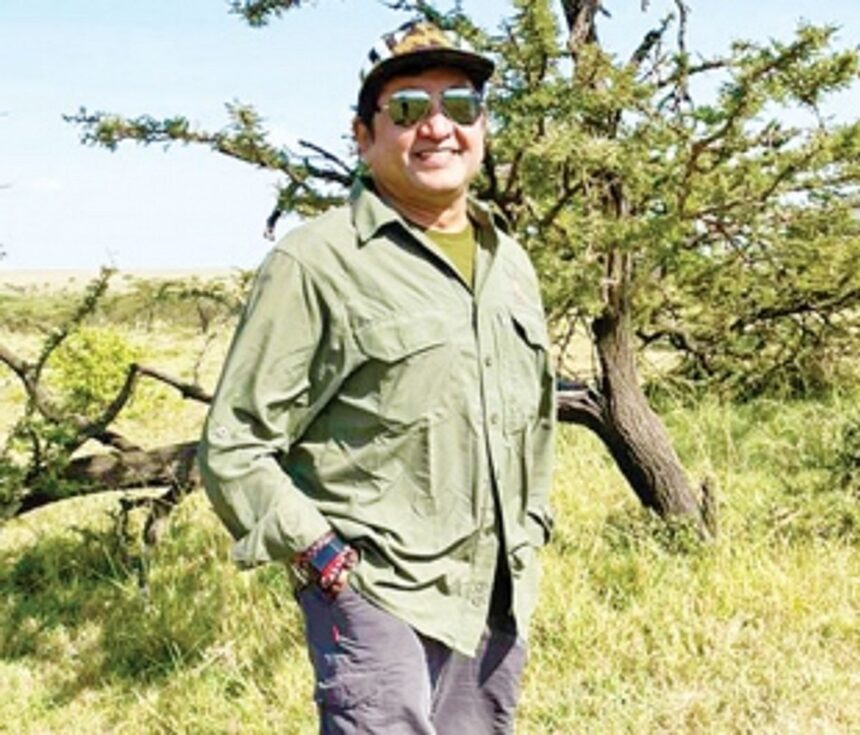
Dattarj V Salgaocar is a businessman, philanthropist, patron of the arts and education and a wildlife enthusiast