TEAM HERALD

PANJIM: Students in government schools and higher secondaries from Std VI to XII will be given a weekly dietary supplement of the Iron and Folic Acid (Vitamin B9) through pills as part of a Weekly Iron and Folic Acid Supplementation (WIFS) programme being initiated from this academic year onwards by the Directorate of Health Services.
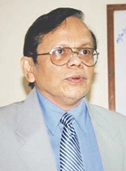
Dr Jose de Sa, Chief Medical Officer of the State Family Welfare Bureau said that while the programme would officially be launched by Health Minister Laxmikant Parsekar on June 13, the distribution of the tablets to the schools has already begun.
The distribution involves the administering of the tablet once a week with the help of teachers in government schools. The teachers too have to consume the tablets in order to encourage children.
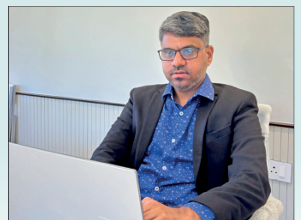
“We have trained two teachers in each school and they have to administer the tablets to the students along with consuming, it themselves,” Dr Preetam Naik explained saying that the teachers has been trained and asked to supervise the students while taking the tablet. The tablets will be administered after the students have had their mid-day meal.
The programme was initiated in a bid to counter the high levels of anaemia that were found in the Indian population.
According to Naik almost 12% of students in Goa are anaemic, but this was not manifested through overt symptoms and this is a cause of concern. The rest of the country average for anaemia among children is 40%. This also corresponds to the State’s low Infant Mortality Rate and low Maternal Mortality Rate when compared to the rest of the country.
She said that the tablets would serve only as a dietary supplement for the students as part of the Adolescent, Reproductive and Sexual Health programme of the Government of India and which initially will be given only in government schools. Later other aided schools too will be included in the programme.
The students will also be given a biannual dose of albendazole, a de-worming tablet as part of the programme. The tablets will also be given to girl dropouts through anganwadis. Dr Naik informed that the teachers have also been trained to identify students who might be anaemic.
“If you’re anaemic in your youth, chances are you will become an anaemic mother, who could give birth to an anaemic child. Giving the supplement will not cure anaemic but it certainly will help healthy children from developing malaria,” Dr Naik said.
She said students found to be suffering anaemia would also be referred to doctors for attention.