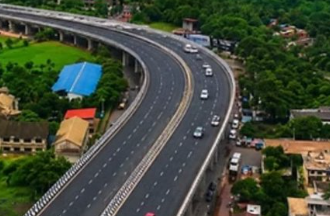
PANJIM: While insisting on strict compliance to traffic rules among road users, Goa Police have alleged poor road infrastructure and engineering defaults have also contributed to accidents. The department, Director General of Police Muktesh Chander said he has not received any response to several letters to the public works department and local bodies proposing improvements in the road conditions.
While addressing a gathering of policemen citizens from different sectors on road safety, the IPS officer disclosed that 362 proposals to PWD (174 in the year 2017 and 188 in 2018) and 298 proposals to City Corporation and village panchayats (101 in 2017 and 197 in 2018) seeking road improvement have not fetched positive response from the authorities.
He also pointed out to various flaws in the road infrastructure like absence of road markings, absence of sufficient signages, absence of footpaths and footpaths with hindrances like garbage, absence of traffic signals at busy cross roads/junctions, etc.
The officer also expressed disappointment with the non-cooperation from the NSS and NCC units in the State. “I have not been getting any response from NCC and NSS. They are supposed to be doing good work for the society but all my letters to NCC and NSS has not been replied,” he said urging the cadets to assist the police in bringing discipline on the roads.
He pointed out that Sweden took it up themselves to take the road accident deaths to zero and embarked upon an ambitious project that they will not allow anyone to die on the road.
“We (in Goa) have achieved 20 per cent reduction in the road accident in the year 2018. Another 20 per cent reduction this year would be very difficult unless every stakeholder cooperates. We can’t even think of saying that we will reduce it to zero,” he said adding their focus is on four Es – education, enforcement, engineering and emergency care.