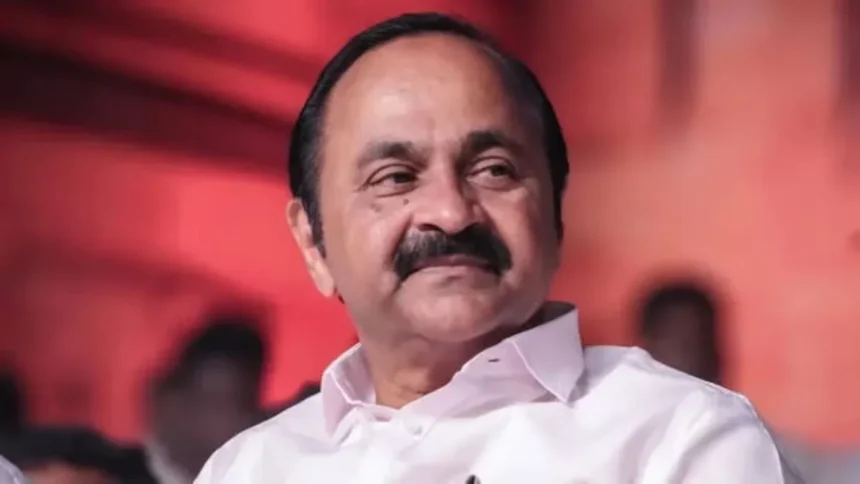
In a swift enforcement of digital content regulations, tech giant Meta has restricted access within India to an AI-generated viral video featuring Kerala Chief Minister . The satirical clip, which humorously depicted the Chief Minister dancing alongside Kerala State Electricity Board (KSEB) officials during the state’s recent power crisis, had achieved massive online traction before being targeted by a government takedown order.
The video was originally published on Thursday by the Instagram handle ‘aikavala’, managed by content creator Abhijith. Within days, the video exploded across social media platforms, garnering over 1.78 crore views by Sunday. The clip used artificial intelligence to place the state’s leadership in a surreal dance routine, serving as a lighthearted poke at the local power outages affecting residents.

Despite the satirical nature of the video aimed at his administration, Chief Minister Satheesan publicly took the content in good humor. Speaking at a public event, Satheesan shared that he was genuinely amused and excited upon seeing the video, noting that he enjoyed the clip despite its mocking undertones. However, the Chief Minister balanced his amusement with a cautionary statement, highlighting the serious legal and ethical implications posed by rapid advancements in AI-generated imagery and deepfake technology.
The administrative action became public on Sunday when the creators of ‘aikavala’ shared a notification received directly from Meta. The alert informed them that access to the video had been geo-restricted for users within Indian borders following a formal legal request issued by the Indian government.
Addressing reporters on Monday, Abhijith clarified that he did not believe the chief minister’s office was behind the removal request, especially given Satheesan’s open appreciation of the art. “We don’t know the exact reason,” Abhijith stated, confirming that while Indian users can no longer view the post on Instagram, the clip remains fully accessible to international audiences.
The incident highlights the growing friction between viral AI-generated political satire and state regulatory frameworks. As deepfakes and AI tools become increasingly accessible, governments worldwide are moving faster to issue legal notices to restrict content deemed problematic or legally gray. Meanwhile, the incident has reignited broader discussions on where the boundary lies between harmless political parody and regulated digital media, with creators urging clearer guidelines on artistic expression involving public figures.