The
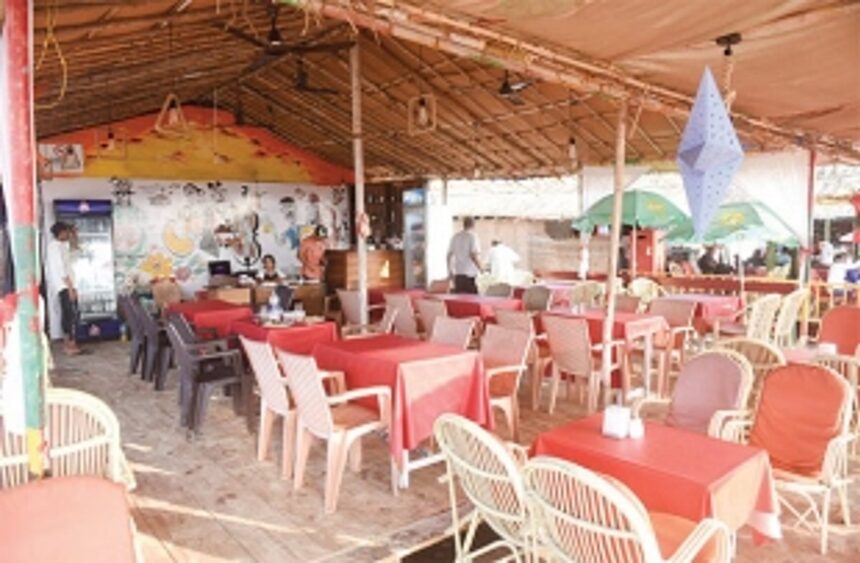
government decided to allow restaurants to open after three months. This
followed appeals by the industry to allow the hospitality industry to open.
Several tens of thousands of people were dependent on the industry. They were
without a job and importantly with pockets that were without any money. The
government gauging the situation following a drop in the cases then allowed
restaurants to start functioning on June 8th but without
allowing alcohol to be served. Now alcohol is a very important part of
the entire experience and usually forms a significant percentage of the final
bill. It helps most of the restaurants to earn a profit. Now with that out of
the way how do restauranteurs feel? This
is to give a context to the effect of the lockdown and then the ban on the sale
of alcohol. According to Amit Satija the Excise Commissioner, during the period
April-May 2020-21 the collection was Rs. 21.7 crore and in the same period last
year it was Rs 62.46 crore. Now that is a dramatic drop. Hansel
Vaz the man behind Cazulo feni, is also the owner of a restaurant and a
wholesaler of alcohol. He said “The sale of alcohol is a big percentage of our
revenue. It is now a dramatic drop in revenue. I am looking as the owner of a
brand and the owner of a restaurant. The sale of Cazulo has been hit by
ninety percent. Restaurants gave us 35% of our sales and now that is also hit.
Usually, people buy a full bottle and that helps us but that is not happening.
In restaurants, you will have guests who are trying out feni for the first time
and order for a peg or two. In the larger context that works out to a large
number of pegs. Many of these people may not drink in the afternoon but sitting
in a restaurant, the music, the general ambience and chatting with friends may
make them drink more. We have realised that ambience is so important. Now all
that is stopped”. The
dynamics of opening a restaurant he said were complex and everything in this
day and age took extra importance, from the cloth to the fork and knife. He
said he was working on developing the concept of a cloud bar whereby a family
having a house party, which he said was increasingly getting popular, could
hire the services of his bartender who will follow all the sops and come with
his syrups and cocktails and help the guests have a good time. The alcohol he
said would be provided by the hosts. He said in these strange times, they had
to get innovative to generate revenue. Arvind
Dsouza the man behind Café Sussegado in Calangute said he operated in the
tourist belt and business was dead. Alcohol, he said was an important factor
for tourists who were now just not coming. He said “I have a few tourists who
come who have asked me for alcohol but yes, it is said it in jest. They
understand the seriousness of the situation. The Goans who come here don’t care
to drink because they can drink at home and they come here with their families.
I don’t agree with this ban on alcohol but it is what it is. It makes a very
substantial percentage of the bill.” James
Nappoly of James restaurant Baga said it did not make sense to be open now
because the tourists were just not there and the ban on the sale of alcohol
would affect him by 25 % to 30%. He said “I don’t understand the sentiment
behind this ban but eventually I will have to open my restaurant, because I
cannot be shut. It just does not make sense” Data
Prasad Naik, who owns major liquor outlets and is an important figure in the
alcohol whole sellers community sounded dispirited when speaking to the Café.
Providing the gory details of the state of affairs he said “ Each and every
wine shop towards the coastal side from Palolem to Calangute is down 80 to 90
%. This is because there is no tourism. Even if bars and restaurants are open
there are no tourists. Local consumer consumption is only 20 %of what it was
pre-COVID. Beer companies are struggling. No sales and their strong beers
are close to expiry and they are coming up with a buy one get one free offer.
The alcohol bill does not exceed Rs 500 at retail outlets. So, you can
understand how bad business is.” Decisions
taken over the past one year he said had caused much discomfort to the business
and now the virus was a very strong blow. The decision by the excise department
to increase duty on beer especially strong beer by Rs 20 and other beers by Rs
10 had a serious effect on sales. The increase on Indian made foreign liquor
had not helped. He as
a senior member of the trade made a representation to the CM to give the trade
a bit of leeway in terms of paying the license fee. He said “There is no sale
taking place and we have paid the fee which is substantial. We would like them
to carry it over to next year so as to give the trade some relief because we
firmly believe this year is lost for us”. Another
restauranteur who has been in the business for over twenty years laughed when
he was asked if they had approached the state government and requested for an
easing on the ban of alcohol in restaurants. He said “No one will listen to us.
They don’t care generally. So, what’s the point”. That’s
the reality of life now with the ban on alcohol. How long this will last and
perhaps even push certain restaurants into bankruptcy remains to be seen. Till
then one can only hope and pray for the very best.