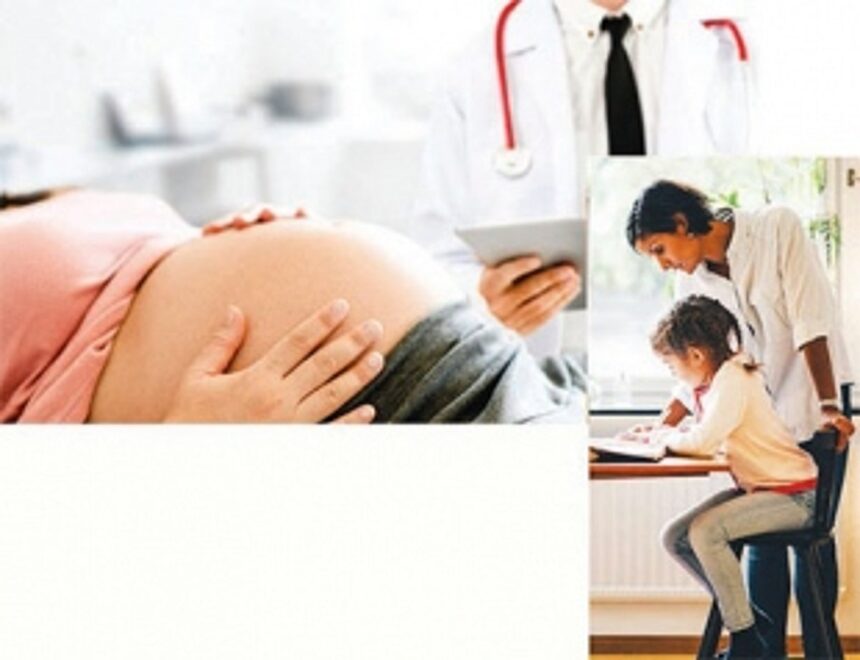
As a mother who is preparing to bring new life into the world, there are many things that can cause stress to a pregnant woman. Adding to this list is the looming fear of the pandemic Coronavirus. However, with studies from across global cases, there is hope for a safe delivery as long as social distancing is maintained and basic sanitisation is followed thoroughly.
“As things stand, there have been 20 cases of Coronavirus mothers delivering babies without any vertical transmission, which means that the virus has not travelled from the mother to the child. The mothers have to be separated from the child till they recover and can continue reastfeeding with the mask on. As far as the Coronavirus immunity level is concerned, the mothers have shown mild to moderate symptoms but because of the precedence of COVID-19, they are treated on priority with patients of hypertension and the elderly,” explains Dr Eugene D’Silva, a noted gynaecologist and obstetrician.

The Royal College of Obstetricians and Gynaecologists and the Royal College of Midwives has reassured women that there is no evidence to suggest pregnant women are at greater risk from COVID-19.
Shobhika Jaju, Psychologist at Silver Linings: Guidance & Counselling Centre, Margao, gives her take on how pregnant women can be sychologically affected by the fear of Coronavirus. “It’s more about taking health precautions right now. But yes, the anxiety can be gripping if not dealt with properly. Since pregnant women belong to the vulnerable group, they are going to be anxious about their own and their child’s health. Breastfeeding is another concern. While the World Health Organisation says that lactating mothers diagnosed with Coronavirus must breastfeed their kids, if the family is not supportive, it can lead to additional stress for the mothers.”
Speaking about the effect on children, she explains, “The Coronavirus pandemic is leading to a negative mental health situation for children. Just as adults are anxious about the current situation, so are the kids. What we need to understand as parents or caregivers is that children pick up on our emotions. So when we are anxious, by default they will also pick up on that emotion and manifest that anxiety. We also cannot ignore the fact that with schools closed, exams postponed, and no friends to play with, children are experiencing a drastic change in their daily routine and therefore, they are likely to display an anxiety associated with the inability to adapt to this change.”
She adds, “Among children, we may see the current anxiety usually manifested by display of irritability, anger, tantrum throwing, refusal to eat, insistence on watching television, avoiding academic activities, and so on. These are just ways in which they may be trying to cope with what’s happening around them. If as parents we try to discipline them by shouting or beating, or showing anger, we are messing with their coping resources more.”
She advises parents to do certain basic things to help children deal with the current situation and their emotions. ”Firstly, it’s important to talk to them about what’s happening in an age-appropriate manner. Children need to know why they can’t go to school, and why they can’t meet their friends. It would also help to set a basic routine at home. We all do better with routines and making one for kids at home will bring in a sense of normalcy. The best way to deal with any child’s anxiety is play. A lot of unstructured, free play time is what I would suggest. It’s also important to engage in one-on-one play with the kids. Being available to your kids both physically and emotionally, will assure them that they are safe and that will also pass.”