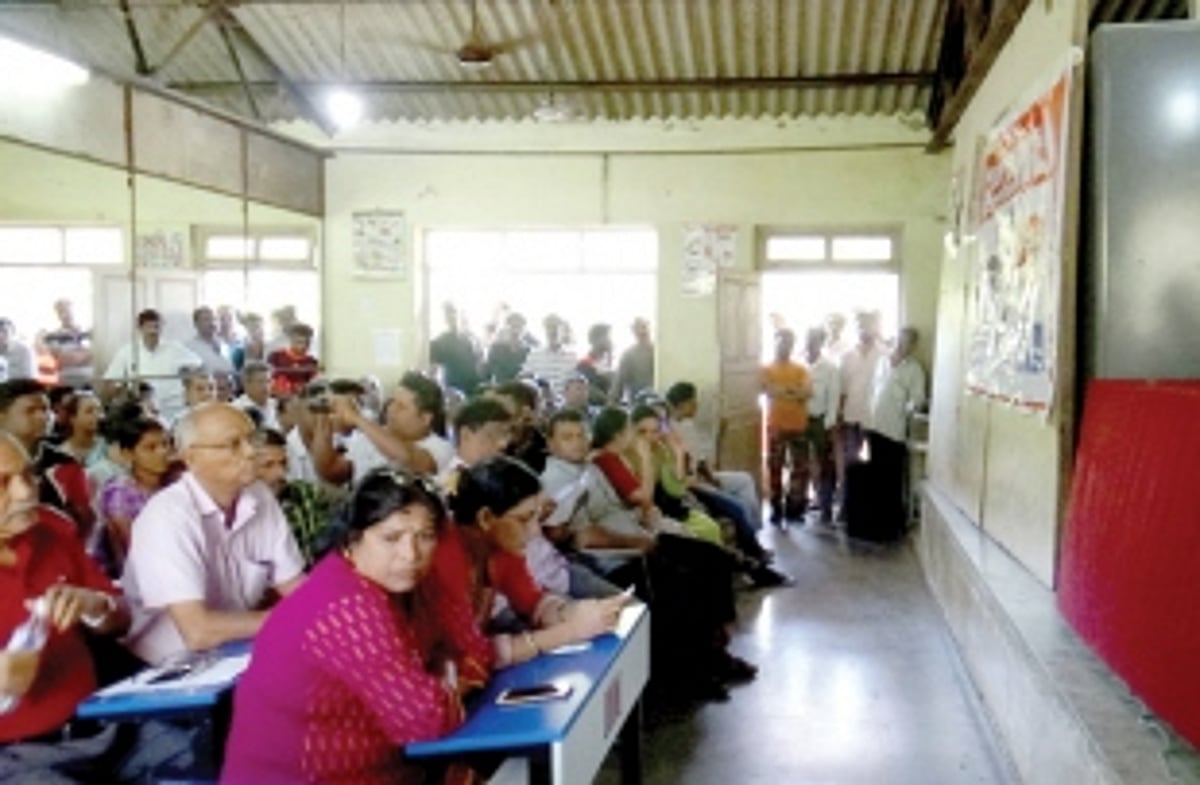
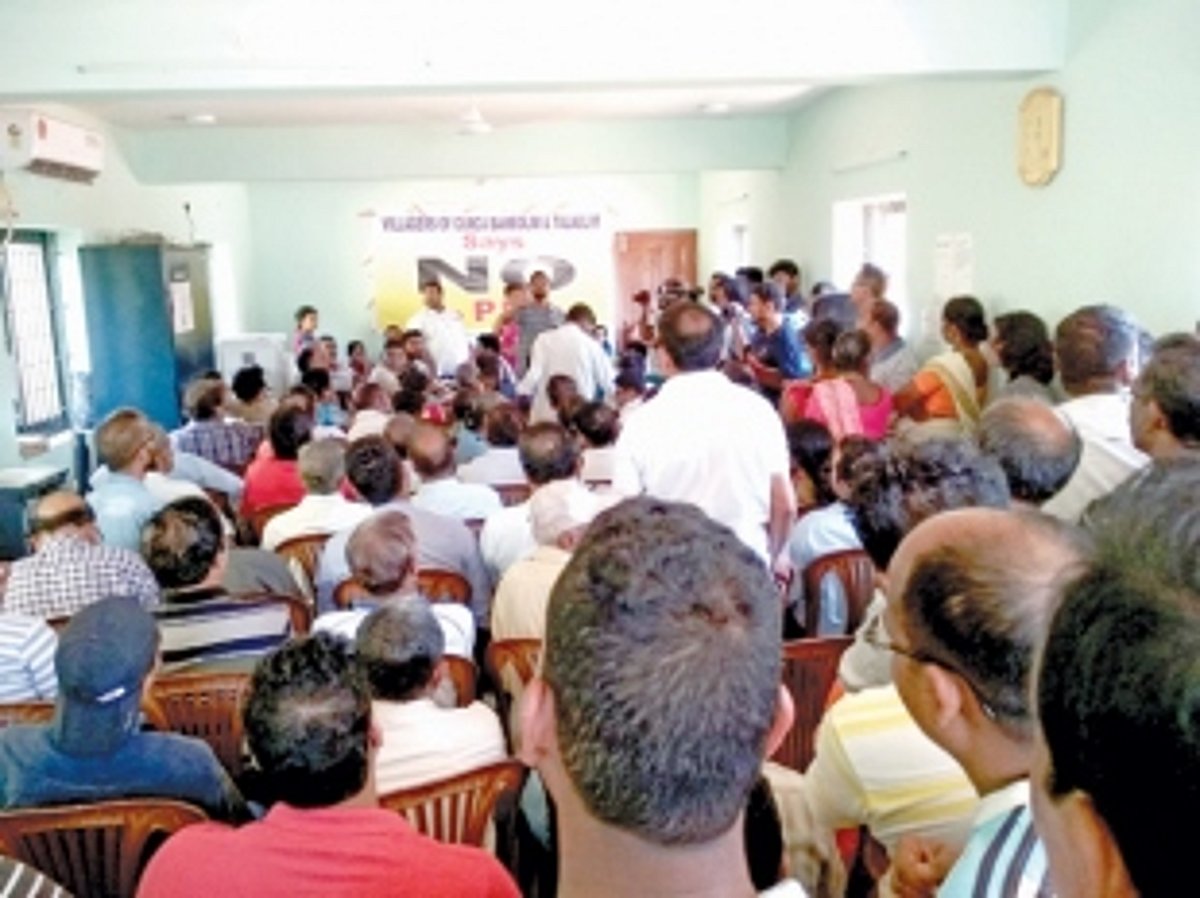
MARGAO: The AVCB Traditional Fishermen Association on Sunday unanimously resolved not to permit any motorised boats in River Sal for tourism purpose on grounds that they will not only pollute the river but will also deny them the right to earn their livelihood.
At the general body held after a gap of six years, a fisherman claimed that “These vessels with their propellers destroy our gill nets thereby affecting our means of livelihood.” The fisherman pointed out that nearly 200 families survive on traditional fishing activity along the river.
“River pollution is the main reason why we do not get shell fish such as oysters, mussels, etc.,” said another fisherman, who asserted that the motorised vessels will further pollute the river.
He claimed that the river has already been polluted on account of the waste water released in it on the Margao side and also accused the prawn farmers of polluting the river.
The association resolved to write to the Captain of Ports and to the Fisheries Department next week demanding a blanket ban on any tourism-related activity in the river and wait for a week’s reply.
“Depending upon their reply, we shall call for another meeting and decide the future course of action,” said Elwino D’Silva.
Around 600 people were present for the meeting which was also attended by former MLA Benjamin D’Silva, former Ambelim sarpanch Cruz Silva and Assolna deputy sarpanch Selima Colaco.
In his welcome address, outgoing President Prashant Gokarnekar informed that the last general body was held on November 22, 2012 when a casino vessel was threatening to enter the River Sal.
Benjamin and Cruz suggested that the general body meeting should be held every year as there are various issues facing the traditional fishing community.
Cruz demanded that a scientific study be undertaken to find out the reason why there is a depletion in shell fish in the river.
He demanded that except for fishing activity all other activities in River Sal be stopped.
Benjamin said, “Having been in the government I know how it functions and I think we should not resort to an agitation immediately”.
The general body elected a new managing committee. As nobody was willing to be the president, Elwino D’Silva volunteered to take up post provided Manu Cardoso accepted the general secretary’s post.
The general body accepted this suggestion and both Elwino and Manu were declared as the president and general secretary respectively.
Sudhakar Joshi was elected the vice president and John D’Silva as treasurer.