As is often the case with popular literary works published in countries far far away from
Goa, the books tend to become a big hit among the locals in the state. This
appeal intensifies when such books resound with stories of your own culture and
history.
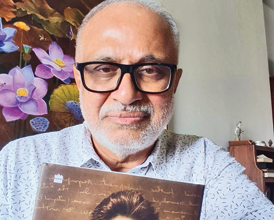
A first-hand witness to this is author
Joaquim Correia, whose latest book has already evoked a good response from not
only Goans living in Goa, but the Goan diaspora. There have already been calls
for an English version of the book, given the demand that has been brewing in
the state ever since this book’s release.

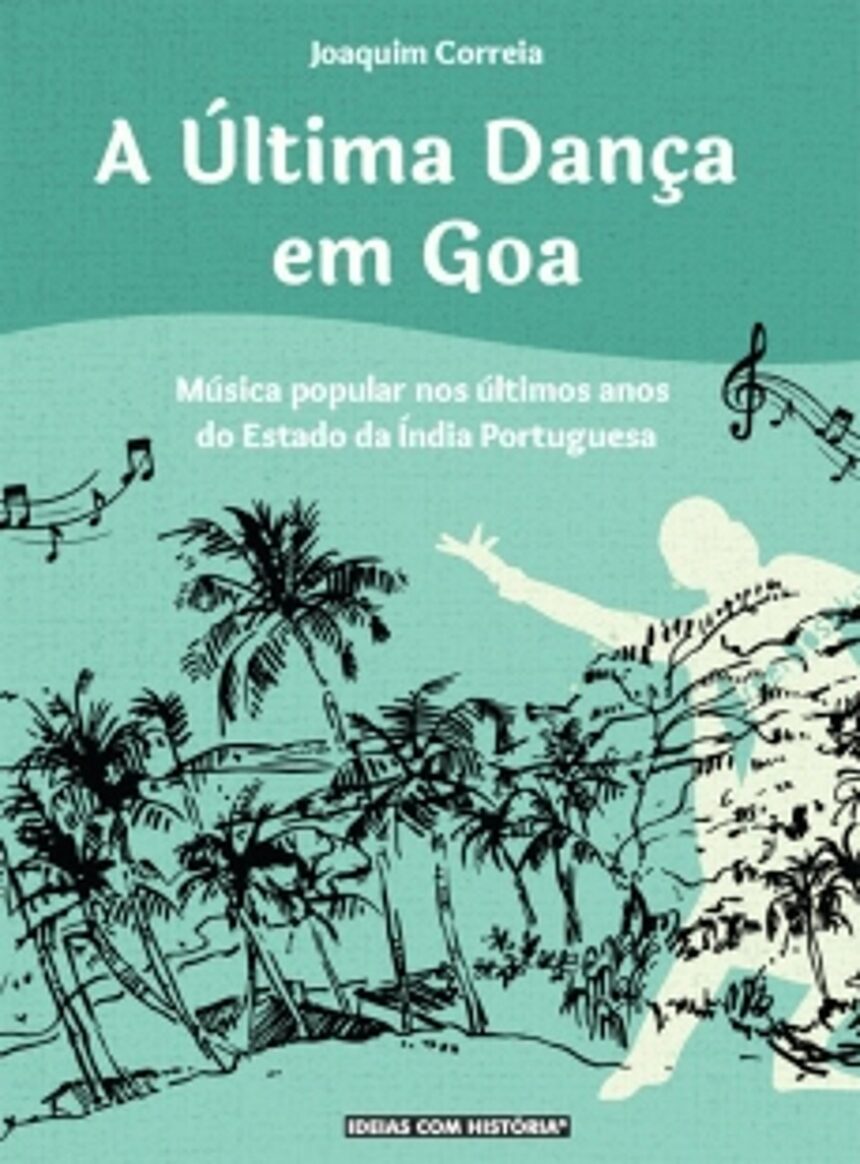
In the month of May 2018, the book,‘A
Última Dança em Goa: Música popular nos últimos anos do Estado Português da
Índia’, written by Joaquim Correia and published by Ideias com História, was
launched in Casa de Goa in Lisbon, Portugal.
The book was also presented in Feira do
Livro, also in Lisbon, and post these two events, word spread. Soon, Goans
living in Goa expressed their interest to support an English version.
“I hope they enjoyed it,” says Joaquim,
while reacting to the news about the book’s popularity in India. He further
adds that soon there will be another edition in Goa.
“‘The Last Dance in Goa: Popular music in the last years of the
State of Portuguese India’ is based on the memories of people who lived through
and enjoyed that period, and after consulting journals and newspapers like O
Heraldo, A Vida, Diário da Noite and many others.The book also mentions
musicians that were relevant outside Goa, especially in Bombay, Mozambique and
Portugal, and Remo Fernandes and the music of the sixties in Goa,” explains
Joaquim.
Joaquim is not Goan, but a Portuguese man, who was born in
Coimbra.He lived in Angola and Macau, besides Portugal, for more then 20 years.
He graduated in Law Science and worked as a librarian in law faculties and
public libraries.There he wrote books about music in Angola, Indonesia and the
Portuguese influence krokong style among others.”I enjoy the studying of
Portuguese culture in the world,” adds Joaquim, speaking from Portugal.
Joaquim’s tryst with Goa began through his visits as a tourist
and for working seminars during his time spent working in the University of
Macau for many years.
“I found the ambience in Goa so special and I wanted to know
more about it. I learnt that music, of different kinds, is a basic element in
Goan culture. I also learnt how Goa is exotic for Western people as well as
other Indians: The fact that churches and Hindu temples stand side-by-side, the
mix cuisine, the names of the roads, the Portuguese influence you can easily
find… everything is unique. In my book, I compare Goa a little bit with Macau,
but I also mention the differences, in my opinion,” says Joaquim
“The name of the book follows the idea that Portuguese influence
still remains, so I wanted to study the last years from that perspective. And
dancing in Goa was and still is a very important part of musical culture. But I
also mention others cultural components such as theatre, festivals, and so on,”
adds Joaquim.
Joaquim has divided the book into three parts. In the first
part, he mentions the last years of the Portuguese presence with regard to
music. The second part mentions the different places in Goa, Portugal and world
over, where Goa’s musical and cultural traditions can be found. The last part
is an overview of Goa after 1961, also with regard to music.
“I consulted a lot of magazines and newspapers from those years
(mid fifties until 1961); I talked with many Goan musicians and non musicians
that enjoyed those times; I read books about the subject. I also had help from
Prof Susana Sardo, who is working on The Goan Encyclopedia of Music and
Musicians (GEMM), where everything related to Music in Goa will be accessible
online,” adds Joaquim.
Given
that Goa has seen a resurgence of Portuguese music, such as the several Fado
concerts being held in the state, the multiple efforts in the academic field to
study the ties between Portugal and Goa and the influences from the colonial
rule that are still prevalent in Goa, this book has appeared to have touched a
chord with many readers in Goa.