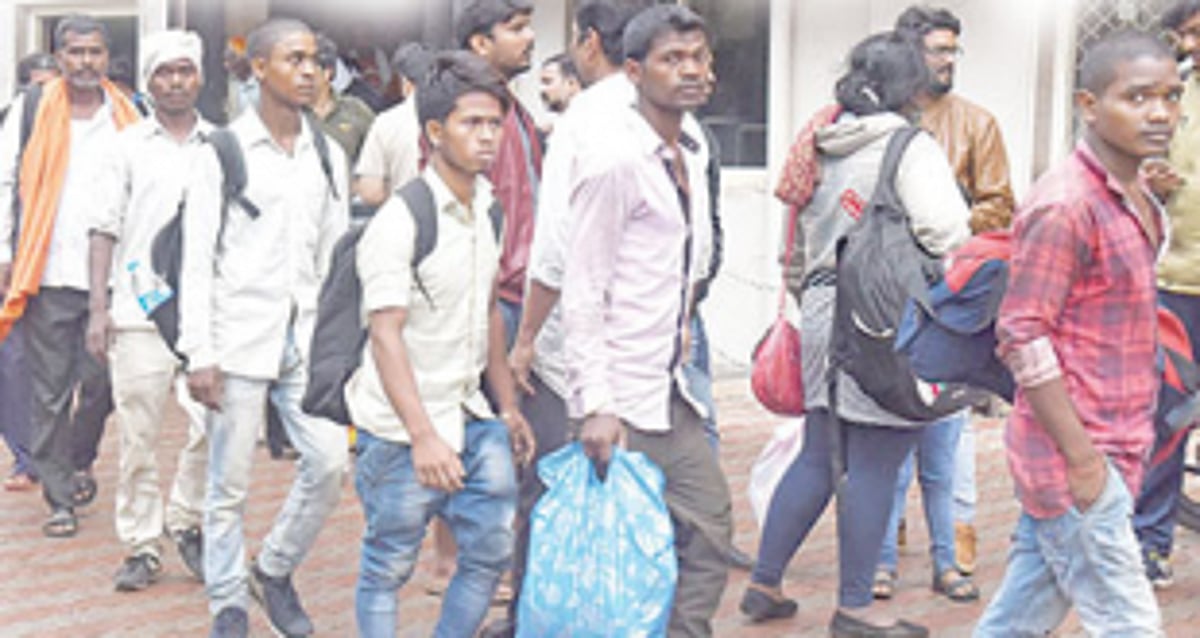
Crimes in Goa tend to attract a standard public response. It may begin with a lament for a mostly fictitious and long-lost Goa where crime was unknown. But it surely continues into an abuse of our favourite scapegoats – the bhaile. And, as has been explained in this column before, although bhaile means outsiders, the word is usually used pejoratively for only non-Goan labourers, not all non-Goans.
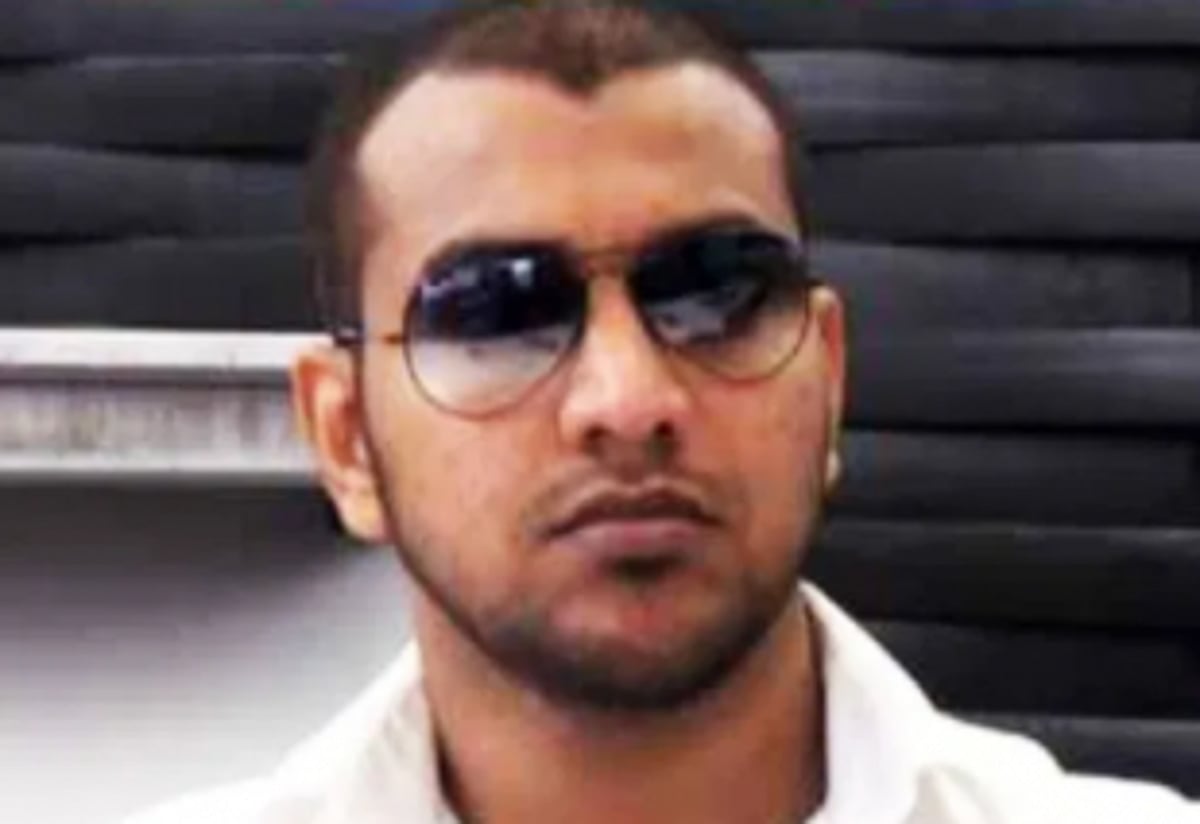
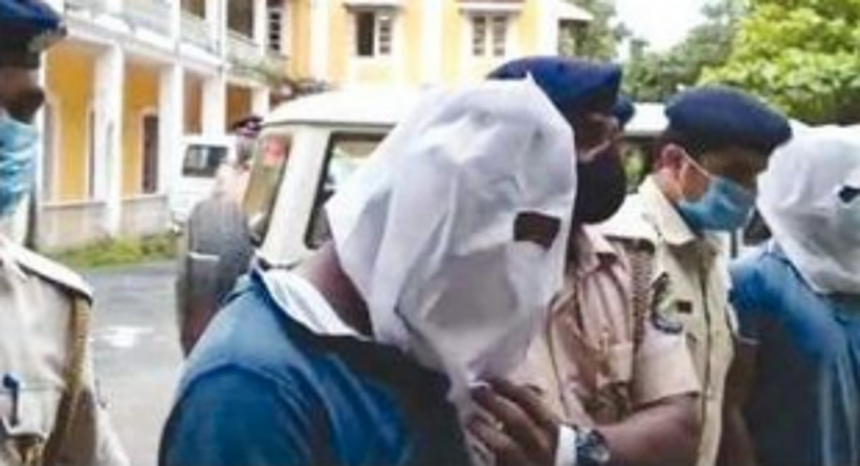
This happened as usual with the latest crime to shock Goa, the daylight murder in Margao. Even after suspects were arrested, and appeared to be Goans, every report mentioned that one of them was a resident of Moti Dongor, the working class settlement in Margao, with a lot of non-Goan and Muslim inhabitants, which is regularly stigmatised as a centre for crime. Calls were even heard for removal of ‘make-believe beggars’ – even though not a single of the arrested was reported to be connected to begging. One can just imagine the level of hate that might have spewed if the suspects had turned out to be indeed labourers or beggars from outside Goa.

The Margao murder was not the only kind of violence that Goa witnessed recently. Just a day or two earlier, there was a video in circulation on social media of a man secured to a pole by a metal chain around one foot. The chained man turned out to be a non-Goan trawler worker, while the person who had chained him turned out to be his Goan employer, who had ‘punished’ him for ‘creating a nuisance’, and who has since been arrested.
How could such an inhuman action – chaining a person – even be considered, unless you believe this is someone of no value, who deserves no respect? But this is how many of us see non-Goan labourers, or rather how we are encouraged to see them. This isn’t difficult either, because they are known to charge less for their labour, as a result of which they have taken up all the badly-paid and disrespected jobs in Goa. But why should any job be badly-paid or disrespected? We focus on hating the bhailo, thus turning a blind eye to those responsible for this situation, whether it is unemployment and low-earning jobs, or now the Margao murder.
In Margao, the anger vented on imagined bhaile, followed by vociferous demands for instant and capital punishment of those arrested means that we conveniently ignore the bigger picture to the relief of those responsible for Goa’s deteriorating law-and-order.
And this bigger picture is that, in the name of tourism development, Goa is now a hub for all kinds of questionable and criminal activities. Questionable activities like the casinos, where big gambling is legal even though small scale matka gambling remains banned in Goa, and even though this is a huge black money racket – remember Parrikar telling us that casinos cannot be expected to go cashless? Criminal activities like drugs, with reports of hauls, and swoops, and stashes, almost a daily affair; the latest rave party arrests would have caused not even a yawn in Goa, just cynical conviction that the required graft must have not been paid. Sex tourism is illegal but in your face, with tourists openly asking all and sundry where they can get it, and millions of results for internet searches – while the government and its internet watchdogs remain apparently clueless.
The coastal belt is hostage to this industry that caters to a different kind of bhaile, flocking to the hotels or their own old Goan houses, even as Goan villages become unrecognisable. There was a time when Goans used to grumble that the coastal belt was full of whites, though the latter mostly respected the law; now they have been replaced by big money from Delhi and Bombay, who are a different breed, sometimes so different that locals don’t have the guts to even grumble.
When you have this kind of tourism dominating the economy, fostered by every government for the past three decades, is it a surprise that criminal activities are flourishing in Goa? With a slow but steady erosion of law abidance on every front, and with social vices being passed off as economic lifelines, what can crime become but an avenue of employment for Goans?
Six months into the pandemic, the government has nothing to offer people in terms of sustenance, even as rave parties have begun. With so many job losses and badly-hit small businesses, you would expect any serious government to be thinking up solutions, or at least relief packages. But we see nothing. Meanwhile, what can online education mean for a society without decent internet access for all, except a boom in drop-outs? Where will all this frustration and anger go?
Agriculture is the solution, say some; the government has heard of this. But far from thinking of how to strengthen agriculture, the official focus remains on destruction-as-development as at Mollem or Melauli or by restarting mining. Which means cutting forests, destroying water resources and increasing human-animal conflict, finishing the agriculture that currently exists. If this isn’t madness, what is?
Coming back to Margao – if we want to end crime, let’s stop demanding instant punishment. Letting the law take its course, as the phrase goes, means at least making sure that those charged have actually committed the crime. Given the quality of policing in Goa, we know that mistakes can and are made. Instant punishment can mean no justice at all.
Crime will not end through harsher punishment, more police, or increased CCTV coverage. It will also surely not end by attacking bhaile. We should think instead of how we could change from an economy based on providing thrills to money-bags, and from a culture of disrespecting and robbing labour, whether Goan or not. That would be a start.
(Amita Kanekar is an architectural historian and novelist.)