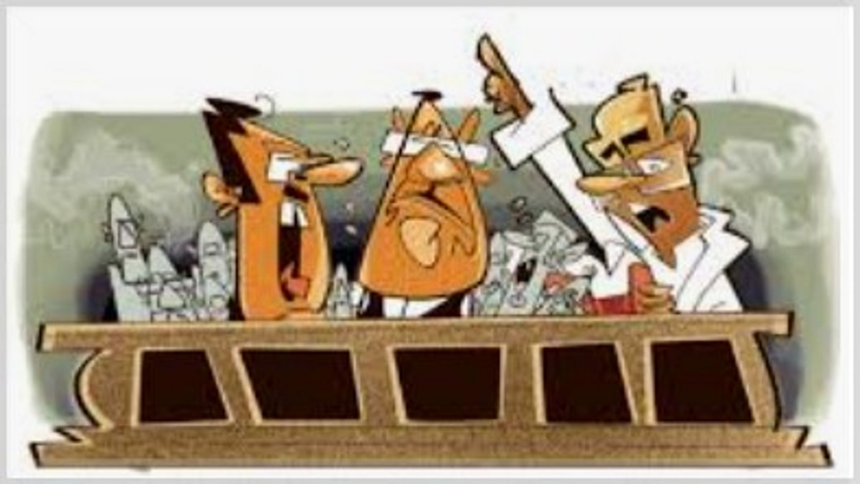
The decision to limit the upcoming Assembly session to just two days has sparked intense criticism from the Opposition, with accusations ranging from negligence of public concerns to the outright subversion of democratic values. This truncated session, scheduled for February, has been branded by opposition parties as a glaring indicator of a government increasingly out of touch with the people. The government, already reeling from a series of scandals and missteps, seems to be adopting a defensive posture, attempting to evade scrutiny rather than addressing pressing issues head-on.
The Opposition’s critique carries weight, especially when viewed in the context of recent controversies. These include the government job recruitment scam, the escape of a key accused in a high-profile land-grab case, and allegations of illegal conversion of large tracts of land. These issues have given the Opposition ample ammunition to challenge the ruling party, even if their numerical strength in the assembly remains limited. Adding to the complexity, internal divisions among opposition parties, particularly between the Congress and the Aam Aadmi Party, have hampered the development of a cohesive strategy to hold the government accountable.

The decision to hold such a brief session raises several questions. Foremost among them is what the government aims to achieve in just two days. This decision appears especially questionable in light of Chief Minister Pramod Sawant’s own admission that 24 government departments have utilised less than 30% of their allocated funds as the financial year draws to a close. This underutilisation suggests that critical government schemes and initiatives have failed to deliver their intended benefits to the people. Moreover, it underscores a lack of accountability and focus within the government, extending from individual ministers to the Chief Minister himself.
The signs of discord within the ruling party are becoming increasingly evident. Persistent rumours of a cabinet reshuffle—which the Chief Minister has repeatedly denied—are symptomatic of deeper unrest. Public criticisms by prominent figures within the BJP, such as Nilesh Cabral and Mauvin Godinho, further highlight internal dissatisfaction. Cabral’s recent remarks about unfulfilled promises, followed by a hasty retraction, reflect growing frustration among party members. Similarly, Godinho’s criticism of poor road conditions during the monsoon season underscores disconnect between the government and its representatives on the ground.
Adding fuel to this fire is the perception among BJP workers and loyalists that the party prioritizes newcomers over long-time supporters, fostering resentment and internal divisions. These fissures were laid bare when the outgoing BJP mandal president in Panjim accused the party of engaging in vendetta politics, sidelining loyalists for short-term gains. Such accusations tarnish the BJP’s image, especially when compounded by the perception that the government is suppressing opposition voices. The two-day session stands as a stark symbol of this strategy, designed more to stifle dissent than to engage in meaningful governance.
For the citizens of Goa, these developments are deeply disheartening. The State, which relies heavily on tourism and mining for its economic stability, faces significant challenges in both sectors. Yet, instead of addressing these pressing issues, the government appears preoccupied with preserving its own power. Lavish infrastructure projects, such as multi-lane flyovers and luxury townships, may create the illusion of progress, but they do little to address the underlying problems plaguing the State.
The BJP’s track record of leveraging micromanagement and strategic alliances to retain power, even in adverse conditions, is well-documented. This confidence in electoral victory, irrespective of governance performance, is bolstered by the unfortunate reality that voters often have short memories.
Ultimately, the people of Goa deserve better. They deserve leaders who prioritise their interests over political survival, who are willing to engage in meaningful dialogue and take decisive action. The truncated session is a disservice to democracy and a missed opportunity for the government to prove its commitment to the people. It is high time for introspection, not just for the ruling party but for all stakeholders in Goa’s political landscape.