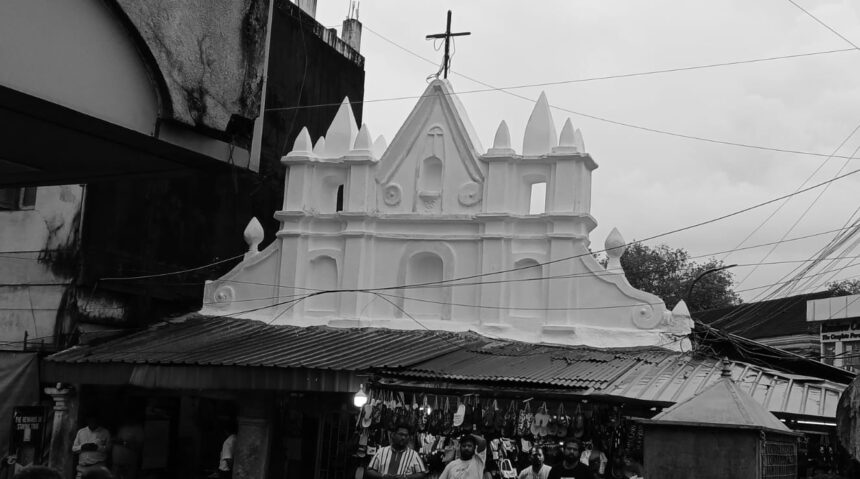
According to local sources, a group of mundkars from a politician’s family estate in Cavrem-Quepem were brought to Margão to bolster electoral support around the time the new municipal building was inaugurated in 1905. Tragically, some of them lost their lives during poll-related violence in the city.
Margão’s second Cidas Almas chapel was constructed on the southern side of Francisco Luis Gomes Road the route leading to the old railway station. After its completion, the chapel was initially offered to the care of the Capela de Batalhão (now enlarged and known as Grace Church), but the offer was declined. Until the Capela de Batalhão was elevated to parish status and became Grace Church, the chapel remained under the jurisdiction of the Holy Spirit Church.

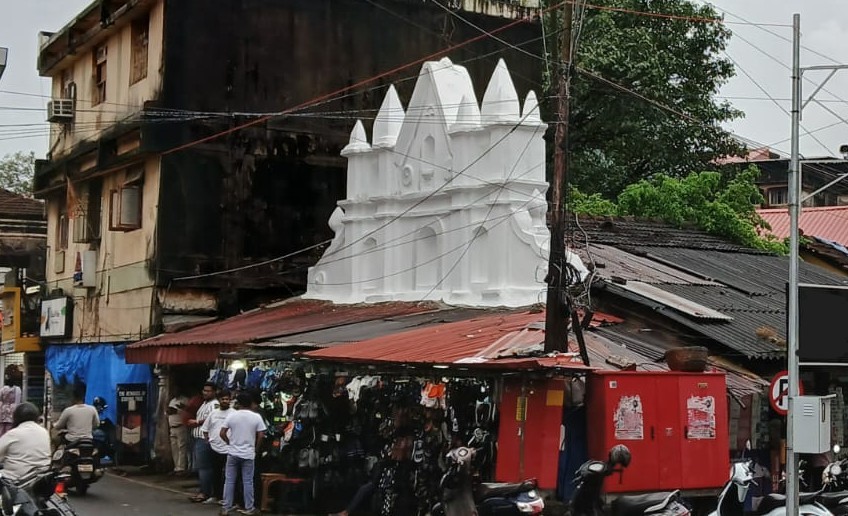
Like the original Cidas Almas shrine, this second chapel became known not just as a place of remembrance, but one of small miracles. Locals believed that in addition to helping recover lost items, the chapel held healing powers particularly for animals. In cases of worm infestations, villagers would drop a coin at the chapel, and their livestock would reportedly be cured, adding to the mystique and reverence surrounding these unique spiritual spaces. In addition, the chapel was also believed to protect homes from ant infestations.