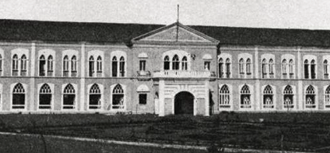
The recent incidents at government schools in Goa, where a false ceiling collapsed injuring five students in Sanguem and a ceiling fan fell on a nine-year-old in Poriem, are not just isolated accidents. They are symptomatic of a deeper malaise afflicting the public education system in the state. These events have rightly sparked concern among parents and stakeholders about the safety and quality of infrastructure in government schools. However, the issue extends beyond just physical infrastructure; it is a reflection of the systemic neglect and apathy towards public education in Goa.
The state, which should have been at the forefront of implementing the National Education Policy (NEP) 2020, seems to be lagging in providing quality education and facilities in its government schools. The NEP emphasises equitable access to quality education and the need for robust infrastructure, yet the ground reality in Goa tells a different story.
The dilapidated condition of school buildings is a glaring issue. Many government schools in Goa are housed in structures that are decades old, with little to no maintenance. The recent incidents are stark reminders of the potential dangers posed by such neglect. Parents are understandably worried about the safety of their children, and these fears are not unfounded. The lack of basic amenities and the poor state of infrastructure are driving parents to seek alternatives in private schools, which are perceived to offer better facilities and a safer environment.
Moreover, the problem is compounded by the phenomenon of schools shutting down due to zero enrolment. This is particularly prevalent in rural areas where migration to urban centers and the preference for private education have led to dwindling student numbers. The closure of these schools not only affects the students but also the communities they serve. Schools are often the heart of a community, and their closure can have far-reaching social and economic impacts.
The state government’s response to these challenges has been inadequate. There seems to be a lack of political will and motivation to prioritize public education. While private schools continue to thrive, offering modern facilities and a range of extracurricular activities, government schools are left to languish. This disparity is creating a two-tier education system, where quality education becomes the privilege of those who can afford it, while the rest are left with substandard options.
The National Education Policy 2020 provides a comprehensive framework for transforming the education landscape in India. It emphasises the need for inclusive and equitable education, with a focus on improving infrastructure and learning outcomes. Goa, with its relatively small size and high literacy rate, is well-positioned to be a model state for implementing the NEP. However, this requires a concerted effort from the government, educators, and the community.
Investment in infrastructure is crucial. The state government must allocate adequate resources for the renovation and maintenance of school buildings. Safety audits should be conducted regularly to ensure that schools are safe for students and staff. Additionally, there should be a focus on upgrading facilities to meet modern educational standards, including digital classrooms, libraries, and sports facilities.
Teacher training and recruitment are equally important. The quality of education is directly linked to the quality of teachers. The government must invest in continuous professional development for teachers and ensure that schools are staffed with qualified and motivated educators.
Community involvement is another key aspect. Parents and local communities should be encouraged to participate in school management and decision-making processes. This not only fosters a sense of ownership but also ensures that the needs and concerns of the community are addressed.
The incidents in Sanguem and Poriem should serve as a wake-up call for the Goa government. The state cannot afford to neglect its public education system any longer. By prioritizing infrastructure, teacher quality, and community involvement, Goa can revitalise its government schools and provide quality education for all its children. The future of the state depends on it. Quality education is not just a necessity; it is a right that every child deserves. It is time for Goa to rise to the challenge and ensure that its public education system is robust, inclusive, and capable of nurturing the next generation.
Crumbling foundations of Goa’s public education system