As you step into Old Goa for the novenas
before the feast of St
Francis Xavier that is being celebrated on December 4, 2017, you’ll be
impressed by the level of organisation with which things are; right from your
parking to the actual Eucharistic celebration, everything happens like
clockwork. In fact, preparations commenced months before the novenas, with
meetings with the Archbishop and responsibilities being handed down to the
execution committee.
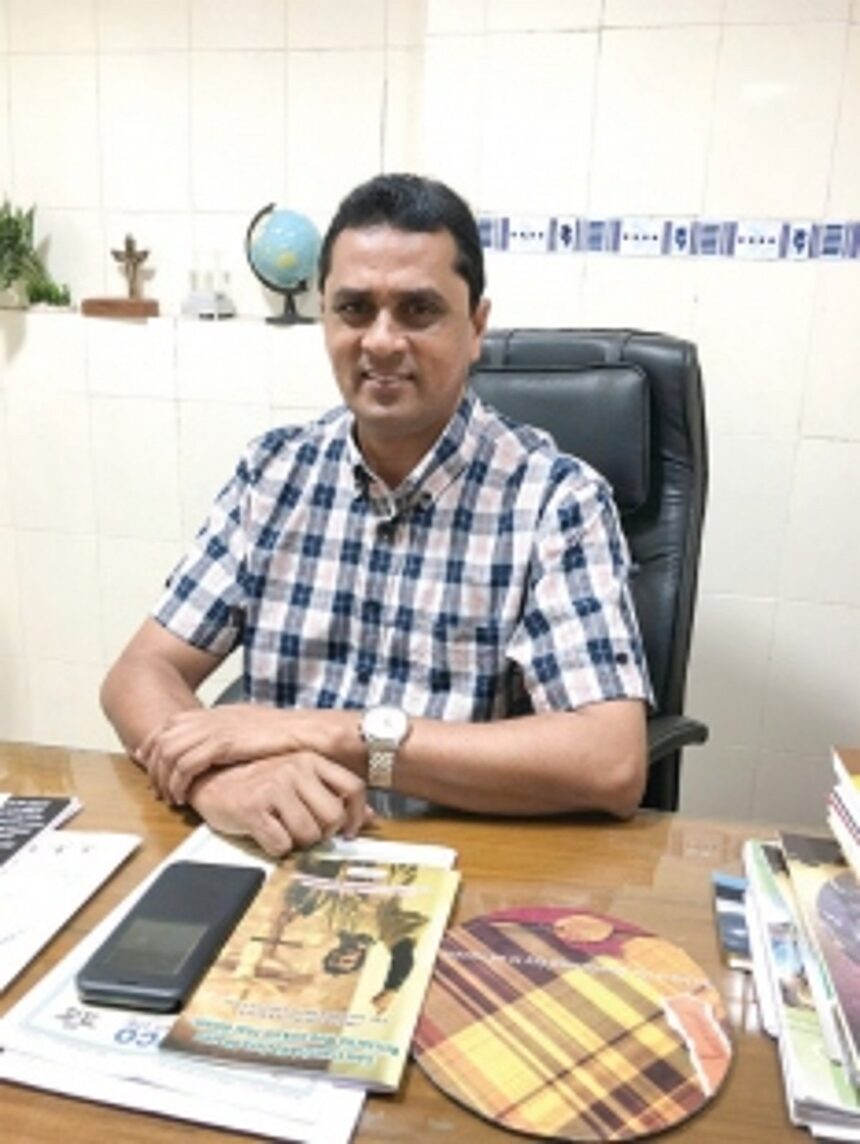
Fr Alfred Vaz has been in the Old Goa
Diocesan for the past 18 years and he has seen a lot of changes towards the
smooth functioning of the novenas and feast. “The organisation of the novenas
and feast has improved a lot. First, it was an event of the Basilica of Bom
Jesus, before being organised as a Diocesan event. A lot of people are involved
in the organisation, in different capacities. Earlier, we had just one or two
members in the choir for the masses; now, there are choirs from different
parishes that want to come and sing for the masses here and they can do so by
submitting their names in advance. The same goes for readers. There are many
changes that have taken place gradually,” he states.

A team of ten priests have worked on the liturgy of the novenas
and feast which is released in a booklet, ‘For all the masses, you will get the
same message. The booklet which has been prepared has the sermon and the
priests celebrating the mass might add their own reflections but the basic
content will be the same,” he says.
“The 6am mass sees people from near and far in attendance,
before commencing their work day. Mini buses are also arranged by various
villages to attend this mass, making it the highest attended mass. 7am and
8.15am masses also receive a huge number of people and then the numbers
decrease. 8:15am was earlier the official Novena mass. We gradually added
parishes to celebrate the novena mass,” adds Fr Alfred.
The current pandal that has been erected for the novenas can
accommodate 9,000 people, while the feast pandal will be extended to
accommodate 15,000 people. On the first day itself, 5 lakh communion (hosts)
were kept ready for those receiving communion. Priests from all over Goa are
marked for the masses.
There has been a revival in the energy that youngsters are
showing towards the church and this is most visible in the number of young
volunteers ushering and helping devotees. “Earlier, the volunteers were very
few. Now, most of the volunteers are youngsters but there are some seniors who
come compassionately. There is also a special mass for youth every year that is
organised by the Youth Apostolate, one of the Diocesan centre’s masses,”
explains Fr Alfred.
The masses are celebrated in different languages. Besides
Konkani and English masses every day, there are days allotted for languages
like Tamil, Malayalam, Hindi, French, Italian, Portuguese, Marathi, Kannada and
Spanish.
Many devotees from different states also come to Old Goa walking
for the feast. This year too, nearly 800-900 people are expected. At 9pm on the
Vespers day, the devotees enter the pandal in a procession. They start their
journey almost 9-10 days in advance.
On
the Feast day, December 4, 2017, masses will be at 4am, 5am, 6am, 7am, 8am,
9am, 10:30am (Feast mass), 12:30pm, 3pm (Spanish), 4pm, 5pm and 6pm.