The family of Iran’s longtime Supreme Leader Ali Khamenei has come under renewed global attention amid growing discussion about the country’s future leadership. Known for maintaining a relatively low public profile despite immense political influence, the Khamenei family remains central to the unfolding succession debate.
Khamenei was married to Mansoureh Khojasteh Bagherzadeh, and the couple had six children — four sons (Mostafa, Mojtaba, Masoud and Meysam) and two daughters (Boshra and Hoda). For decades, most members of the family stayed away from frontline politics, with the notable exception of Mojtaba Khamenei, who gradually built influence within Iran’s conservative power structure.

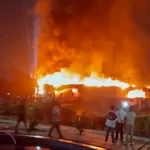
Recent reports have suggested that most of Khamenei’s immediate family members remain alive, including his widow and sons. However, Iranian state media claimed that one of his daughters and a grandchild were killed during recent US-Israeli strikes — a development that further intensified focus on the family. Independent verification of all such claims has remained limited, reflecting the opaque nature of Iran’s internal affairs.
Who is Mojtaba Khamenei?
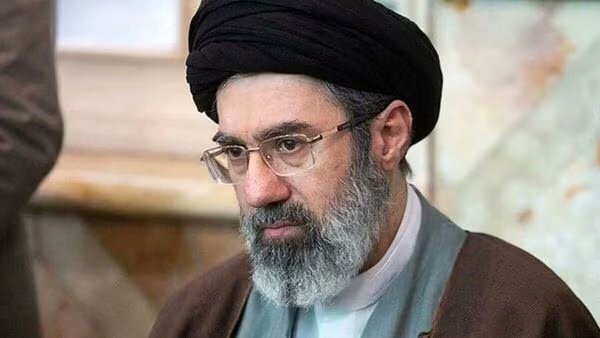
Among the children, Mojtaba stands out as the most politically significant figure. A cleric trained in the religious seminaries of Qom, he has long been described by analysts as a behind-the-scenes power broker with strong links to the Islamic Revolutionary Guard Corps and conservative political networks. Though he has never held major elected office, his influence within the Office of the Supreme Leader has been widely discussed in diplomatic and intelligence circles.
This influence has fuelled years of speculation that Mojtaba could eventually succeed his father. However, the process is not hereditary. Iran’s next Supreme Leader is formally selected by the Assembly of Experts, an 88-member clerical body tasked with choosing and overseeing the country’s highest authority. Any perception of dynastic succession would be highly controversial in a system born from the 1979 revolution that overthrew a monarchy.
Moreover, Mojtaba’s limited public profile and debated clerical rank could complicate his chances. Several senior clerics and political figures are also considered potential contenders, making the succession far from predictable.
For now, Mojtaba Khamenei remains one of the most closely watched figures in Iran — influential yet officially unelected, powerful yet uncertain of the ultimate prize.