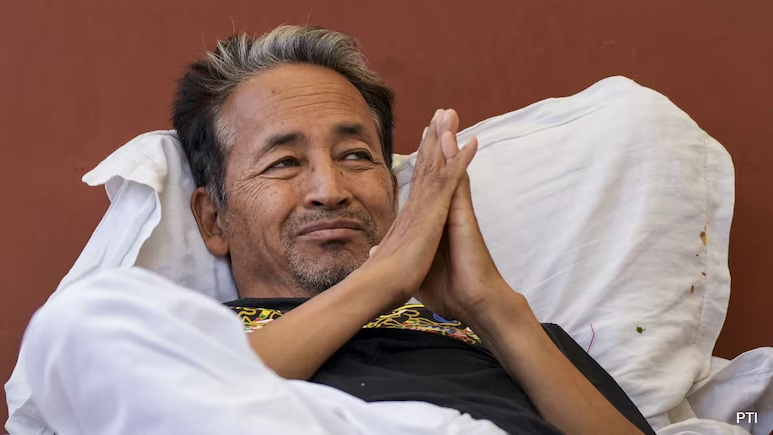
Activist Sonam Wangchuk ended his 23-day hunger strike on Monday after a breakthrough in talks with Union Health Minister JP Nadda, bringing an end to weeks of protests over the NEET-UG paper leak issue. While the fast has concluded, doctors say Wangchuk will not be able to resume normal eating immediately and will instead undergo a carefully monitored medical recovery process that could take up to 10 days.
The primary concern following a prolonged fast is Refeeding Syndrome, a potentially life-threatening condition that can occur when food is reintroduced too quickly after extended starvation. The sudden shift in metabolism may trigger severe electrolyte and fluid imbalances, particularly affecting phosphate, potassium and magnesium levels, increasing the risk of heart complications, breathing difficulties and neurological problems.

Medical experts recommend a gradual refeeding plan under strict supervision. During the first three days, patients are typically given clear fluids, oral rehydration solutions, diluted fruit juices and light vegetable broths while doctors closely monitor vital signs and electrolyte levels. Over the next few days, easily digestible semi-solid foods such as rice gruel, yoghurt and fruit purees are introduced in small, frequent portions.
By the seventh day, soft foods including boiled vegetables, dal and khichdi are gradually added if medical tests indicate stable recovery. Only after about seven to ten days, once the body’s metabolism has safely adjusted and electrolyte levels remain normal, can a patient return to a regular diet.
Wangchuk had earlier stated that his protest would continue until key demands were addressed. Although his hunger strike has ended following discussions with the Centre, his recovery will remain under medical supervision before he resumes normal activities. The cautious refeeding process is considered essential to ensure a safe recovery after nearly three weeks without solid food.