SHASHWAT GUPTA RAY
Goa is witnessing a marked rise in influen za cases, with doctors re porting a sharp increase in patients with respiratory illnesses over the past two months and urging people not to dismiss persistent fe ver, cough and body aches as routine seasonal ailments. Consultant pulmonolo gist Dr Ashwini Collaco said her outpatient department had seen a significant in crease in patients with up per respiratory symptoms such as runny nose and dry cough, as well as lower res piratory illnesses including viral acute bronchitis. “Diagnostic testing has revealed a high prevalence of Influenza A (H1N1/swine flu) alongside a smaller number of Covid-19 cases, and instances of co-infec tions with multiple viruses are also occurring,” Dr Col laco told O Heraldo. While most young pa tients without underlying illnesses can be managed at the outpatient level with symptomatic treatment, doctors are warning that influenza can turn serious when it progresses to the lower respiratory tract.

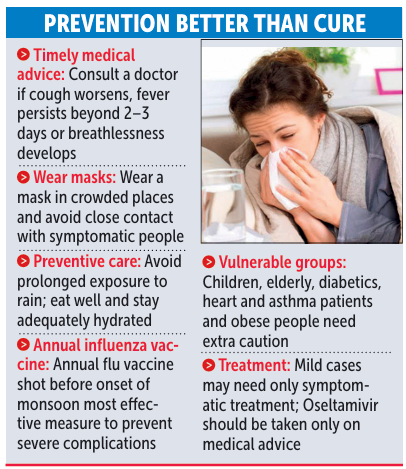
Dr Collaco said patients with severe weakness, in tense body aches and high grade fever persisting be yond two to three days may require hospitalisation for in travenous fluids, supportive care and antiviral treatment. The risk is particular ly pronounced among the elderly, diabetics and obese patients, who are more vulnerable to severe pneumonia and may re quire ICU admission and oxygen support. “Severe cases involving elderly, diabetic, or obese pa tients carry a higher risk for intense lower respiratory pneumonia, with some requiring ICU admission and oxy gen support,” she said. Doctors stressed that the timing of treatment can be crit ical. Pulmonologist Dr John Muchahary said both the num ber and severity of influenza cases had increased noticea bly compared to previous years. “Early medical intervention is critical. Patients who seek medical attention within the first two to three days of de veloping symptoms generally respond well to prescribed antiviral treatments,” Dr Muchahary said. He warned that delaying treatment for more than a week could increase the risk of secondary bacterial infections and complications such as pneumonia, particularly among people over 50 and those with conditions such as diabetes. Children are another vulnerable group.
Consultant pae diatrician Dr Nathaniel Pinto said influenza typically peaks during the monsoon and winter, with children below five years particularly susceptible to complications. Children with pre-existing heart or chronic lung diseases and those who are immunodeficient face a higher risk, he said. “While 70% to 80% of cases are mild — presenting with a high fever for 3 to 4 days and a cough or cold lasting 1 to 2 weeks — approximately 10% to 20% develop complica tions such as pneumonia and require hospitalization,” Dr Pinto said. He added that influenza can also cause gastrointestinal symptoms, including abdominal pain and diarrhoea. With influenza and COVID-19 continuing to circulate, doctors have urged people to take basic precautions rather than wait for symptoms to worsen.
Dr Collaco recommend ed annual influenza vaccination, particularly for the elderly and people with comorbidities, preferably before the mon soon season. She also advised people to avoid crowded places, wear masks in public and maintain distance from those display ing respiratory symptoms. “Early medical intervention” remains the common mes sage from doctors, with experts urging patients with per sistent or severe symptoms to seek medical evaluation rather than self-medicate or wait for the illness to resolve. Dr Pinto said annual flu vaccination remained the most effective way to reduce severe influenza complications and hospitalisation. For children, vaccination schedules vary by age, with two doses required during the first year of vacci nation and annual vaccination thereafter.