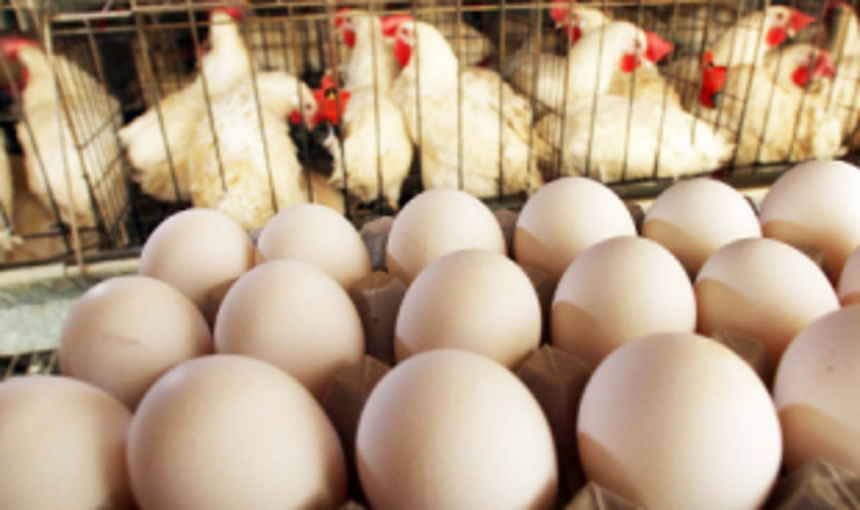
Eggs, long considered one of India’s most affordable sources of protein, are becoming increasingly expensive, with prices rising sharply over the past year.
According to data from the National Egg Coordination Committee (NECC), egg prices have increased by around 40% in the last year. Farm-gate prices have touched nearly Rs 7 per egg, while retail prices on some online delivery platforms have approached Rs 14.

The increase has raised concerns among consumers, particularly as demand for eggs generally rises during winter. Poultry farmers and industry experts say feed costs are playing a major role in determining prices, with maize emerging as a key pressure point.
How ethanol is linked to rising egg prices
Maize is one of the most important ingredients in poultry feed. According to Compound Livestock Feed Manufacturers Association (CLFMA) of India chairman Divya Kumar Gulati, corn accounts for around 50–55% of poultry feed, while soybean makes up much of the remaining major component.
This means fluctuations in maize and soybean prices can directly affect the cost of producing eggs and chicken.
“Poultry’s 50–55% of feed consists of corn [maize]. The remaining comes from soyabean. These two determine the price of the feed of the poultry. This later decides the price of eggs and chicken,” Gulati said in an interview with ET Now on August 25.
The pressure on maize has increased as more of the crop is being used to produce ethanol under the government’s Ethanol Blended Petrol (EBP) programme.
Maize shifts from poultry feed to ethanol
Government data shows a dramatic increase in the quantity of maize being used for ethanol production.
According to a 2025 Lok Sabha reply by Minister of State for Consumer Affairs, Food and Public Distribution Nimuben Jayantibhai Bambhaniya, 125.75 lakh metric tonnes of maize were utilised for ethanol production during Ethanol Supply Year (ESY) 2024-25.
The quantity marks a massive jump from just 8.3 lakh tonnes two years earlier — an increase of more than 15 times.
Around 125.78 lakh tonnes was also allocated for ethanol production during ESY 2025-26, although actual utilisation can vary from the allocation.
With maize-based ethanol production expanding, maize has become a major feedstock for India’s ethanol industry, increasing competition for the crop between fuel producers and the poultry sector.
Why this matters for consumers
Feed is one of the biggest expenses for poultry farmers, accounting for roughly 65–75% of egg production costs. Maize and soybean make up the bulk of that feed.
As feed becomes more expensive, producers face higher costs, which can eventually be passed on to consumers through higher egg and chicken prices.
Fitness influencer Chirag Barjatya recently highlighted the issue, saying eggs were costing around Rs 9–10 each and pointing to the nearly 40% increase.
He also noted that other protein sources have become more expensive, including whey protein and high-protein paneer, arguing that maintaining a high-protein diet is becoming increasingly costly.
Political row over egg prices
The rise in egg prices has also triggered a political debate.
The Samajwadi Party criticised the BJP-led Centre, alleging that the government’s ethanol policy and diversion of maize towards fuel production were contributing to higher egg prices.
The government’s ethanol programme aims to increase ethanol blending in petrol and reduce dependence on fossil-fuel imports. However, the growing demand for maize from ethanol producers has created concerns over its impact on other sectors that depend on the crop.
For consumers, the immediate concern remains simple: if maize costs more, poultry feed costs more — and that can make the humble egg more expensive.