A catastrophic flash flood that swept through parts of Nepal near the China border has killed more than 170 people and left hundreds unaccounted for, triggering one of the country’s largest search-and-rescue operations in recent years.
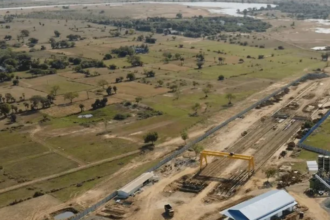
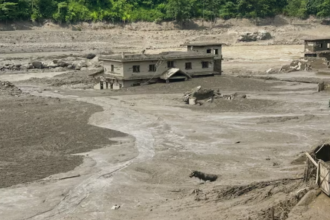
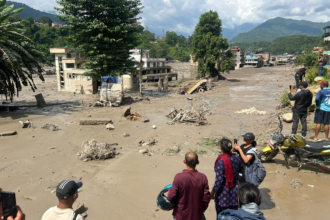
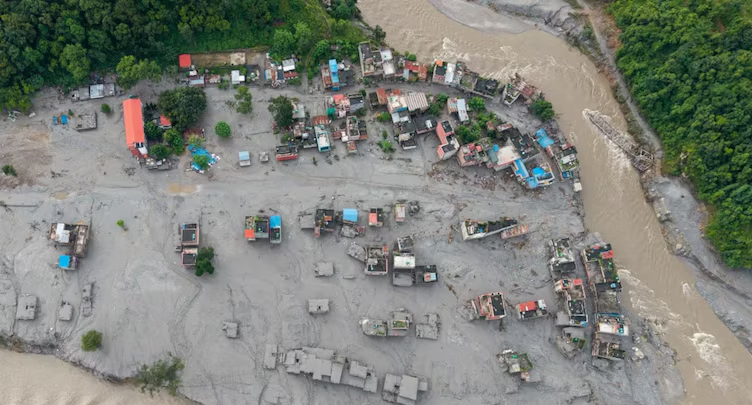
The disaster struck on Wednesday after a massive surge of water and debris tore through the Bhote Koshi River corridor in Rasuwa district. The flooding devastated settlements, roads, bridges, security posts and hydropower facilities before the waters travelled downstream into other parts of Nepal.

Nepalese authorities said the death toll had climbed sharply as additional bodies were recovered from several districts, including Rasuwa, Nuwakot, Dhading, Chitwan, Gorkha, Tanahun and Nawalparasi. Many bodies were recovered far downstream, highlighting the extraordinary force of the floodwaters.
Hundreds of people remain missing. Foreign nationals make up a significant portion of those unaccounted for, with tourists and pilgrims from several countries caught in the disaster. Indian nationals are among the largest groups affected, including people travelling for the Kailash Mansarovar pilgrimage.
India has intensified efforts to trace and assist its citizens. The Ministry of External Affairs has established a special control room to coordinate information and rescue efforts. Authorities have also been working closely with Nepalese officials to locate missing Indians and assist those stranded in affected areas.
At least 21 Indian nationals from Tamil Nadu who were travelling for the Kailash Mansarovar Yatra have been rescued, according to the MEA. However, officials continue to seek information about hundreds of Indians whose whereabouts remain uncertain.
India has also increased humanitarian assistance to Nepal. A second flight carrying 37.5 tonnes of humanitarian assistance, including medicines, food packets and disaster-response material, has been dispatched. Earlier, India delivered additional relief supplies to Kathmandu and provided assistance through its embassy in Nepal.
The disaster has also raised concerns in northern India because floodwaters could travel downstream through the Gandak river system. Bihar and Uttar Pradesh have been placed on alert, while disaster-response teams are monitoring river levels. Officials in Bihar said the Gandak’s water level showed a generally declining trend, although continued rainfall in Nepal could cause renewed rises.
Rescue teams in Nepal are facing difficult conditions, including heavy rain, damaged roads, high river levels and disrupted communications. The Nepalese Army, Nepal Police and Armed Police Force have deployed helicopters, drones, boats and ground teams to search for survivors and missing people.
Across the border in Tibet, mudslides linked to the disaster have also caused deaths and left hundreds missing. Chinese authorities have launched their own rescue and recovery operations around Gyirong county.
With the full scale of the destruction still emerging, authorities on both sides of the border are racing against time to locate survivors, identify recovered bodies and reunite missing people with their families.