A youth-led political movement triggered by controversial remarks and administrative failures in the national examination system has achieved what political opposition parties could not: forcing a key Union Cabinet minister out of office.
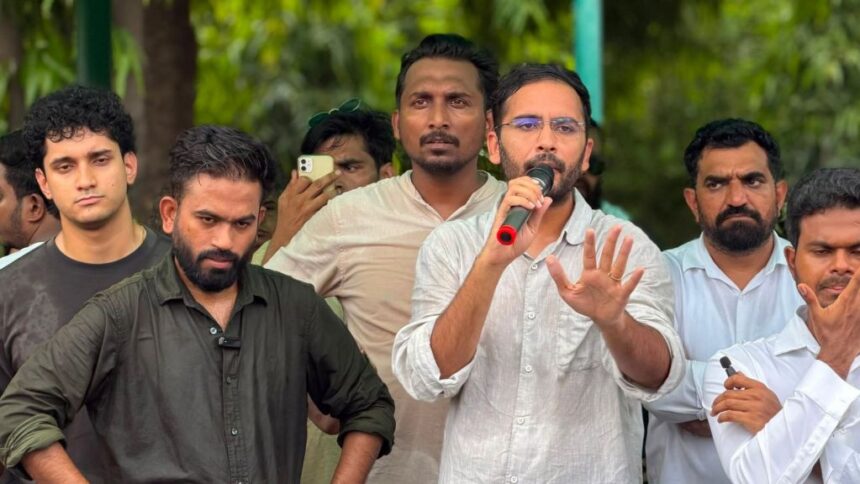
The Cockroach Janta Party (CJP)—a student collective formed following Chief Justice Surya Kant’s controversial reference to “youngsters like cockroaches” and fueled by anger over the leaked NEET-UG 2026 examination paper—has emerged as one of the most effective protest movements in recent Indian history. Speaking to the media, CJP spokesperson Ashutosh Ranka detailed the intensive struggle behind their 37-day sit-in at Delhi’s Jantar Mantar, which ultimately led to the resignation of Union Education Minister Dharmendra Pradhan.

Ranka addressed criticism surrounding the rapid political fallout, dismissing claims that the group operated with tacit government support or had a “smooth ride.” He emphasized that the visible outcome was the result of a grueling, month-long effort involving sustained negotiations by key organizers, including co-convener Saurav Das and legal affairs head Ratna Singh. According to Ranka, the group faced complete official disengagement for the first 37 days of their campaign.
During the initial phase of the movement, student demonstrators faced severe opposition. Ranka noted that authorities marginalized the organizers, labeling them “viruses” and “terrorists,” while deploying heavy-handed police tactics. The peaceful demonstration at Jantar Mantar escalated into violence after Delhi Police initiated crackdowns involving lathi charges, tear gas, and pellet guns, resulting in numerous student injuries.
Despite the pressure, the movement stood its ground. On July 25, the CJP conditionally called off the Jantar Mantar sit-in after receiving formal assurances from the government. Central to these commitments were two major demands: the replacement of Dharmendra Pradhan as Union Education Minister and the withdrawal of police cases against student protesters lacking criminal records. Pradhan was subsequently replaced by Pralhad Joshi, though the drop-of-cases process experienced procedural delays.
Frustrated by the slow implementation of the agreement, the CJP announced a secondary protest march set for September 5. The threat of renewed nationwide demonstrations prompted the Supreme Court to intervene on September 2. Exercising its extraordinary powers under Article 142, the apex court ordered the immediate dismissal of all police cases against the student protesters, prompting CJP leadership to officially cancel the planned march.
Reflecting on the outcome, Ranka expressed cautious optimism regarding the judicial resolution, noting that while mistrust against law enforcement remains due to earlier crackdowns, the CJP respects the binding nature of the Supreme Court’s record. The movement’s success marks a pivotal shift in how Gen Z political organizations organize, negotiate, and exert influence within the country’s democratic framework.