Molly Fernandes
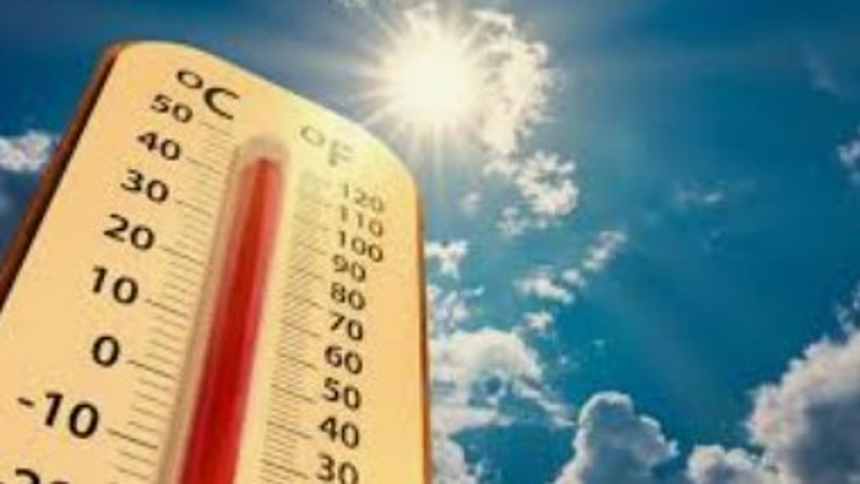
Last week, Goa’s scorching temperatures took a toll on the health of many Goans, including myself. Several people were hospitalised due to heat-related illnesses, such as hypertension, diarrhea, and vomiting. Personally, I experienced an unbearable heatwave that left me drenched in sweat for three consecutive days, with burning sensation in the eyes and my head feeling like it was on fire. The unusual heat was relentless, and I was not alone in my misery.

Goa, a state known for its picturesque beaches, lush green forests, and pleasant tropical climate, is facing a new challenge: rising temperatures. The state, which was once a haven for those seeking refuge from the scorching heat of other parts of India, is now experiencing a steady increase in temperatures, leaving its residents and tourists alike feeling the heat.
According to data from the Indian Meteorological Department, Goa’s average temperature has risen by 1.5°C over the past three decades. The rising temperatures are not just limited to summer months; even winters are getting warmer, with average temperatures increasing by 2°Cover the same period.
What could be the reason and factors contributing to the rising temperatures in Goa:
Climate Change: Global warming is a significant contributor to the increasing temperatures in Goa. The state’s location near the equator makes it vulnerable to the effects of climate change.
Urbanisation: Goa’s rapid urbanisation has led to the destruction of natural habitats, such as forests and wetlands, which help regulate temperatures.
Industrialisation: The growth of industries, such as mining and manufacturing, has increased the state’s greenhouse gas emissions, contributing to climate change.
Population growth: Goa’s population has grown significantly over the years, leading to increased energy consumption, transportation, and waste generation, all of which contribute to greenhouse gas emissions.
Besides the above-mentioned reasons and factors of the rising temperatures in Goa have severe consequences for the state’s ecosystem, economy, and inhabitants:
Water scarcity: Changes in precipitation patterns and increased evaporation due to warmer temperatures have led to water scarcity in many parts of the state.
Agricultural impacts: Rising temperatures and changing precipitation patterns are affecting crop yields, leading to economic losses for farmers.
Health concerns: Warmer temperatures increase the spread of heat-related illnesses, such as heat exhaustion and heatstroke.
Tourism impacts: Goa’s tourism industry, which is a significant contributor to the state’s economy, is vulnerable to the impacts of rising temperatures. Warmer temperatures can make the state less attractive to tourists, leading to economic losses.
To combat Goa’s rising temperatures, collaboration on mitigation and adaptation strategies is necessary seeing its need and urgency, including promoting renewable energy, afforestation, and climate-resilient infrastructure.
Rising temperatures in Goa are a growing concern that requires immediate attention. The state government, people, and tourists must work together to implement mitigation and adaptation strategies to reduce the impacts of climate change.