The government at the Centre has highlighted the importance of making in India. The importance of encouraging small scale manufacturing around the country could result in a radical overhaul of the industrial landscape. That undoubtedly is a view at the macro level. At the micro level here in Goa that holds good too. It would result in a dramatic rise in the number of job opportunities for Goans, a crying need at the present point in time. However when one looks at certain industries the realities may be quite stark and the question has to be asked if they will survive to see the next decade.
The soft drink industry in Goa has a long and hoary past. From a time when Alaska was a prominent player and there were approximately 10 odd players and they operated in various corners of the State. Today, however the situation is dramatically different. Albert Zuzarte, director, marketing Western Beverages Pvt Ltd set the tone by stating that business for Goan soft drink players had certainly dropped.
He said “It is obvious the market has not grown because the number of tourists coming to the State has dropped. This has affected the sale of water. None one will be willing to say this in public but I am saying this everyone has been affected. Our competitors have also witnessed a drop in their numbers”.
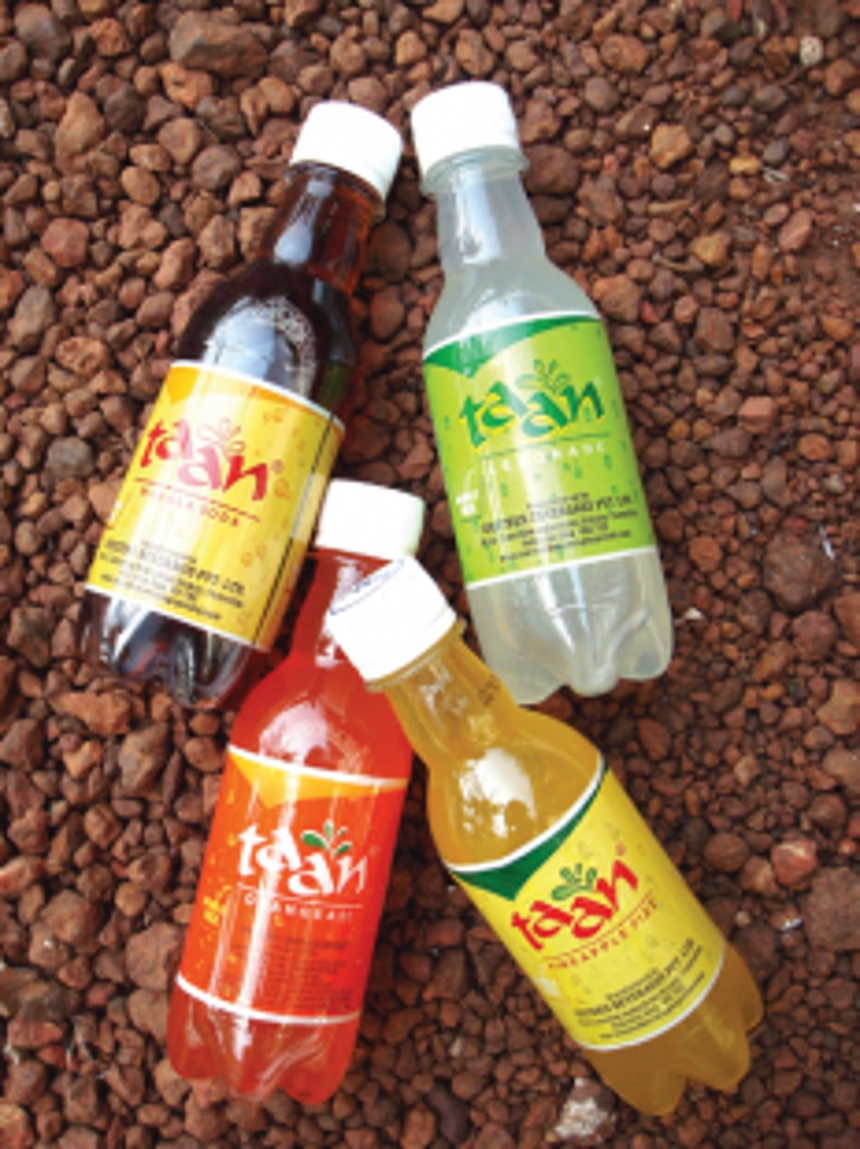
Western Beverages sells bottled water and soft drinks under the brand name Taan. In a market like Goa which attracts people from all over the country and the world the presence in such a market is very important.
Albert said “Local brands don’t have deep pockets and their marketing spend is limited. Regional brands on the other hand have more flexibility in terms of their marketing budgets”.
According to him the bottled water market in Goa is approximately 60 to 70,000 cases per month with most of the sales taking place in the one litre and two litre categories. According to him in the next five years it would get very difficult to compete given that at present the five odd local brands had around twenty percent of the market among themselves.
The local brands he said were being consumed by teenagers and children who could afford these products that were largely priced in the Rs 8-10 category.
Now with multi-national companies having introduced the 250 ml single serve bottle there was greater pressure on local operators. Another worrying trend was the growing awareness of the importance of maintaining a healthy lifestyle. People, Albert said were now avoiding fizzy drinks though he hoped his popularity amongst children would remain.
Another player in the business, Varun Beverages which has been in the business for several decades is witnessing growth but in categories that recently emerged. Vijaynand Borkar, sales head said business was certainly picking up from the time when the market was struggling two years ago when mining was suspended. People now have realised that there is no point in relying on mining. People, he said had switched businesses and there was growth.
Vijaynand said “There has been a growth in terms of the juices category. The energy drink market had certainly picked up. There was 7up Revive which contained vitamins. It is certainly popular. With regards to juices Slice, Tropicana was doing very well. The market was booming and growing at 8 to 20% driven by foreigners who could not handle the growing humidity”.
Interestingly he said the rural market was also picking up with juices proving to be quite popular. The company has its own bottling operation and intends to set up another on in Sanguem. There was he said a growing demand for products in pet bottles. As a bottler for national brands he however had another view point with regards to the local players.
Vijaynand said “If you notice as you travel on the highway and if you stop at a local dhaba they will always give you bottled water from a local player. This is because the operating cost is low for them and the margin they offer is significantly higher. They can also move faster in terms of reacting to schemes at that very local level.”
In Goa several restaurants had now stopped buying national brands and replaced them with juices created in house. There was an emerging trend of flavoured bottle water which could be interesting. In five years he said it was really tough considering that the foreigners coming to Goa were now looking at other places that were cheaper. If that trend continued it would not be a very nice market to be in.
Ravindra Naik of Fresh Foods laughed when asked how his business was faring. A classic small operation stuck in changing times, he said the big boys, Coke and Pepsi had dramatically changed the game. Bigger margins, free fridges to store their products meant many retailers had now shifted to stocking their products. He said “I manufacture Cola orange, Lime and a soda in pet and glass. I market it only in the village and since my margins are low I cannot spread out. The marketing cost cannot be recovered if I did it. Ten years ago I sold 5 to 6000 bottles a day, today barely 1500 a day”. The margins he said on offer were killing small operators like him.
Caterers an important business segment he said were given anywhere between 20-25% margin by the big operators. Perhaps in that lies a tale, of large margins given by multi-nationals that destroy local players. This is tale sadly repeated all over the country.