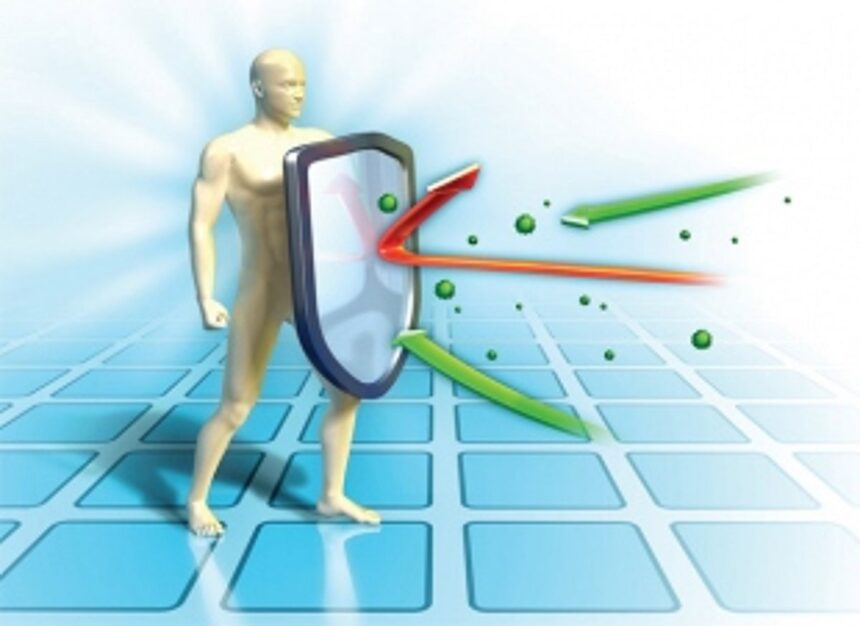
Many people do not realise that our primary defence against germs and disease is not provided
by healthcare professionals; it is provided by our own body’s immune system.
The stronger our immune systems, the better our capabilities to combating
foreign invaders (germs.)
To demonstrate how strong our immune
systems are, think about how many days out of a year our bodies are sick. The
average person is sick an average of 6-9 days annually. This equates to an
average of 2.4% to 2.5%. This means our immune systems effectively protect us
from all sorts of diseases 97.5% to 97.6% of the time.
The two largest segments of the population
that get sick are the young and the elderly. The young have not had time to
build and strengthen their immune systems, and the elderly are more inclined to
lose it as a result of a poor lifestyle decisions and over-utilisation of
medication. The young need natural exposure to the environment and its germs to
provide the natural response of the immune system to strengthen it as it
matures. This natural repetitive exposure provides the most effective long-term
immunity.
A child that gets exposed to a bacterial
or viral infection, whooping cough or chicken pox for example, will typically
generate an immune response (rising fever is a good example), creating a
hostile environment for the infection regardless of whether vaccination took
place or not. Our immune systems are so intelligent that the fever in most
cases will only elevate to the point of damaging the invading germ, leaving the
healthy cells unharmed. If we abstain from intentionally lowering the fever by
using over-the-counter medication, our bodies will overcome the infection more
quickly and efficiently.
Can this process be very uncomfortable to the sick person? Yes.
Will this process of allowing our immune systems to perform their job without
interference to fight the disease strengthen our immune systems capability to
fight future infections? YES! Is this the course most people follow? NO! We are
creatures of habit. We take these over-the-counter or prescription medications to
feel better at the expense of our own health. We suppress our immune system’s
responses to an invading agent and attempt to get well by bypassing its
function, thus weakening it.
Where is the justification for not trusting our body’s immune
system to do its job effectively? With a 97+% success rate throughout the year,
why shouldn’t we confidently expect it to perform well and return our bodies to
a state of good health naturally? Yes, there are certainly instances where
immune compromise requires prescription assistance. These situations are far
and few compare to the frequency we utilise medicines today.
Here are some pointers that help us understand how well our
immune system is performing:
lWhenever consulting children for acute complaints at our clinics,
the first thing we ask parents is ‘How is he/ she today as compare to
yesterday?’ The very fact that a sense of well being has returned is the first
sign that helps us understand that the immune system is winning in overcoming
the acute infection.
lA decrease in intensity of symptoms as compare to the previous
days is another indication that we can abstain from prescribing, fully trusting
the doctor within to finish the job. Other than general rehydration advice,
just relax and watch the immune system at work.
lRashes, mild controlled diarrhoeas, runny nose are ways by
which the immune system tries to eliminate toxins from the body. Wait and watch
before taking a pill in panic. As long as it’s coming out, don’t worry. We
usually notice in our clinics that when lower respiratory tract infections
(cough, asthma) get better, the upper respiratory tract infections (sneezing,
runny nose) get more frequent. We call this exteriorisation – cure from within
outwards. Rashes in eruptive fevers come when the battle is won and the toxins
are being eliminated. More injury is caused when such natural ways of
elimination are interfered with, pushing the toxins back again into the
interior of the body.
lImprovement in sleep patterns, activity, energy, appetite, stools
are other factors that we should keenly observe before taking a pill.
Are you as a parent willing to open your eyes to trying a new
path that potentially offers a better option to your child? If so, why not try
utilising the doctor within the body to restore and improve the quality of your
child’s health at the first sign of illness? Why not provide it the nutrients
and rest it needs to combat disease? A wonderful benefit of following this
approach is discovering the beautiful relationship between the doctor within
and the better health your child shall experience from this commitment.
The
writers, Dr S Martins MD/ Dr D Martins MD, are Consultants at VitaNova Clinics