Groups and teams that set out for clean up drives are doing good work, although it is disheartening to
see how much trouble they have in separating the wet and dry waste. People have
reported that sometimes even women’s sanitary wear are openly thrown in plastic
bags along with food waste. With the aim to protect biodiversity, curb marine
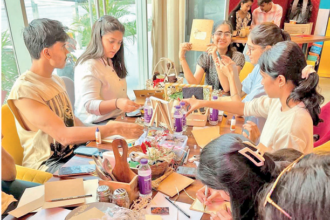
pollution and raise mass awareness, the Herald- Drishti initiative and a Bengal
based social enterprise banglanatak dot com organised multiple clean up drives
in Goa. “During the entire course of time, there was a collection of unsegregated
plastic bottles, cups, plates, glass shards, kitchen wastes, fishing nets,
diapers and milk packets. It was hard for us to collect them but we did it
anyway,” reveals Rajyashree Mukherjee from Banglnatak dot com.
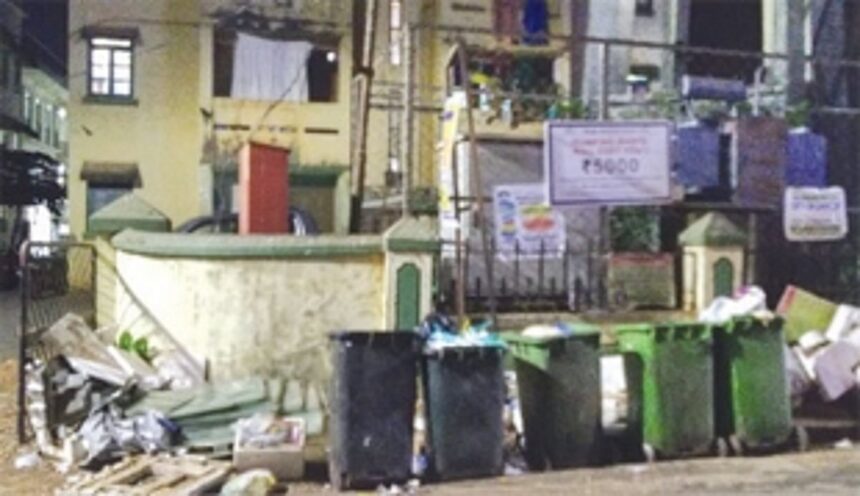
“We have something called as a big dustbin in our locality. The
bin is so big that it can accumulate everyone’s garbage,” says Sereno Pinto
from Nova Portugal, Moira. However, the sad part about this is that the garbage
is dumped without being segregated and is cleared just once a year! You can
imagine that situation now, decomposed wet waste, terrible stench and maggots.
This actually sounds unbelievable
Sereno says that there is a garbage van appointed by the
Panchayat that arrives every day. The van has the facility of segregating
garbage. Few use the facility wisely, but the rest follow the same way of
dumping in the big bin.

“The van is parked
right in front of my building, yet people are too stubborn or lazy to take the
time to segregate their trash and throw it in the van,” says Sereno,
disappointed. He is trying his best to talk to people and explain to them the
necessity of segregating garbage, but unless people take a step, there won’t be
any change.
While
the horrific situation goes on in Sereno’s locality, in the city of Vasco, resident
Shamsundar Warkhandkar is annoyed by the amount of mess created on the roads.
“We do have the garbage collectors taking the waste early in the morning, but
people who do not wake up at that hour end up throwing the waste in plastic
bags on the roads. Or they do not like to pay the Rs 50 fee monthly to the
garbage collectors. The stray cattle worsen the scene and scatter the garbage
all over. The municipality collects the garbage once a week, yet the area looks
dirty,” shares Shamsundar.
Hassle at Sonsoddo
Sonsoddo
has been suffering from the people not ready to segregate garbage at their
homes itself. The Margao Municipal Council even after successive attempts
received mixed garbage due to which the waste treatment plant declined the
acceptance of the waste. All the garbage was then dumped at Sonsoddo and
currently the Municipality has to segregate it themselves or burn it. When the
waste is burnt, it creates anxiety among people. Locals grumble at the awful
sight, yet among them are the ones who do not segregate the garbage. When are
people going to wake up? MMC have now made it compulsory for people to
segregate the waste, only then will it be collected.
Perhaps this option
should be provided everywhere…
In
many places, there are cages with a door and latch. The cage contains different
segregation bins like metal, medical, wet, dry and plastic. You might have seen
one at the Panjim Church square, gardens around Goa and at few hospitals.
Locals suggest that these bins need to be provided everywhere. People have to
just go in and throw their waste in the right bin and latch the door again.
This keeps away stray animals and is an easier method for people to throw their
waste.
Organic Segregation
method
It’s been around ten to fifteen years that Lourdes Fernandes has
been using an old family tradition for garbage disposal. Living in Carambolim’s
Vikas Nagar, the garbage collector is not frequent and usually visits on
Wednesdays to collect only the dry plastic waste. “We collect our wet waste and
compost it; after few months we use the manure for our garden,” explains
Lourdes. Lourdes burns the dry waste and plastic waste is given to the garbage
collector.
“Since
our area is clean with no waste lying around, I am sure that our entire
neighbourhood practises this at home. We don’t have provisions of people
collecting garbage hence we have to follow this method,” says Lourdes. She also
says that people living in buildings may not have the option of composting, but
they surely can segregate and deliver the waste.