Human Touch is a youth-led organisation in Special Consultative Status with Economic and
Social Council of United Nations. On Zero Discrimination Day, Human Touch
Foundation called for action to change discriminatory laws and practices – a
significant barrier to access health and other services and make positive
changes to ensure equality, inclusion and protection, with a talk and
discussion on March 1, 2019 at Instituto Nossa Senhora de Piedade Panjim. The
program was organised in favour of the change in discriminatory laws and
practices in terms of transgender discrimination, HIV discrimination, women
abuse and sexual harassment, drug abuse, sex workers and youth.
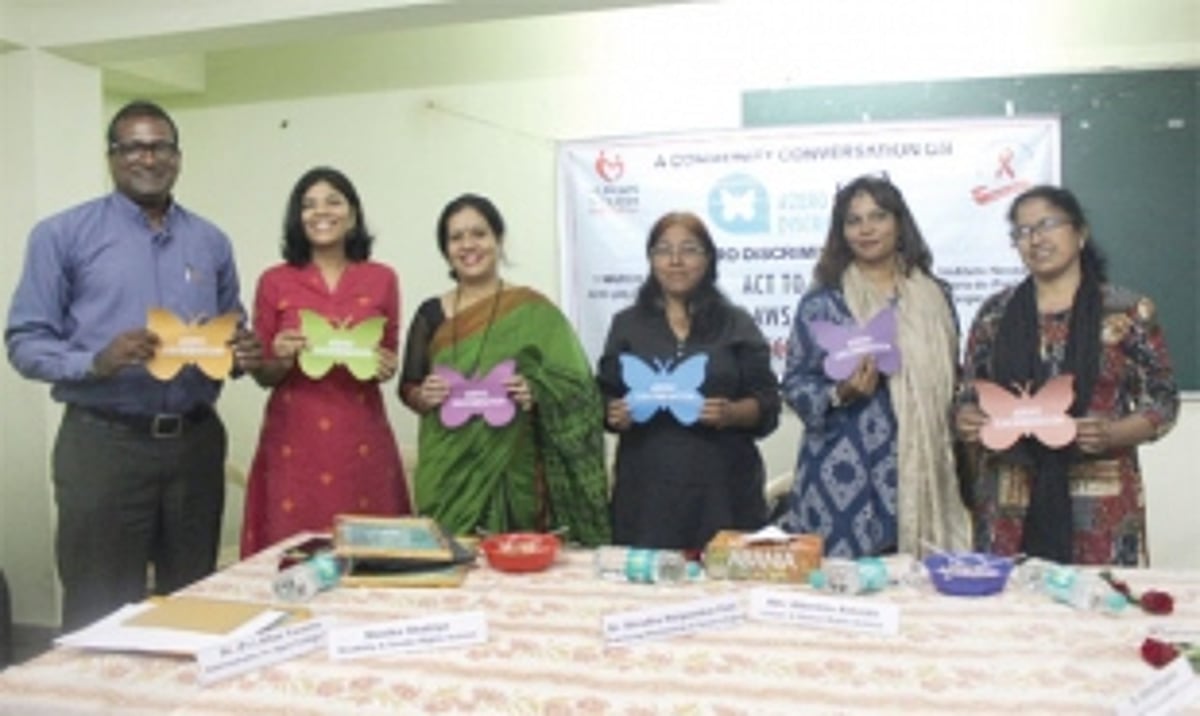
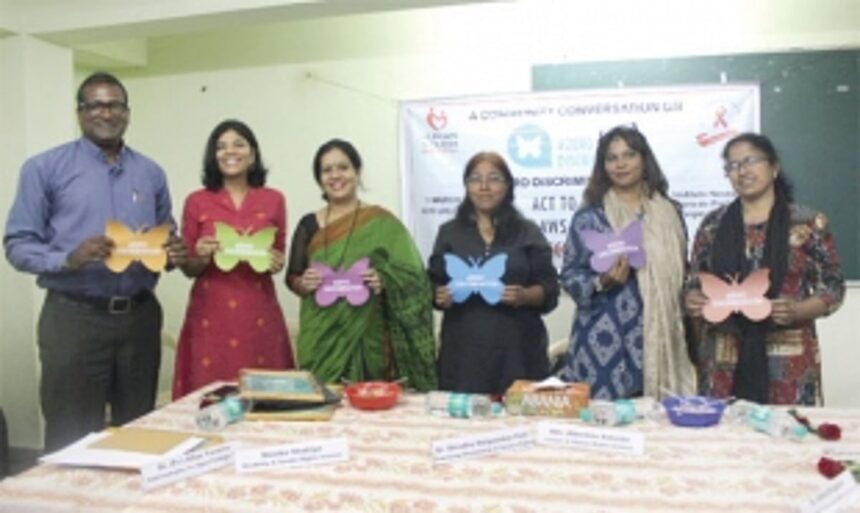
The panel included the likes of Dr (Fr)
Allan Tavares, Administrator; Fr Agnel College, Pilar-Goa; Dr Shradha
Mulgaonkar Patil, obstetrician and gynaecologist, Past President of Indian
Medical Association Mormugao; Monika S Kshatriya, journalist and gender rights
activist representing transgender activist Diana Dias from Wajood; Albertina
Almeida, advocate and human rights activist; Dr Adlina Braganza, associate
professor and HOD Psychology at Carmel College; and Celina D’Costa, volunteer
at IMAX Cooperative.
The welcome address was delivered by Dr Jose D’Sa Project
Director, GSACS. He stressed on the attainment of the national plan for HIV
which speak about the three zeros – Zero new Infections Zero HIV related deaths
and Zero discrimination. He highlighted that knowledge is needed to empower
people and reduce discrimination and the achievements of the GSACS. “We have
started viral load testing in Goa and aim to get a higher viral load
suppression outcome. Our mother-to-child transmission rates have also reduced,
to the last case detected in 2017, this is a big achievement for GSACS,” he
said.
Fr Allan, who touched upon the stigma, discrimination and faith,
stated that what is considered normal does not need to be so. “Stereotyping
happens everywhere and discrimination is a result of fear of the unknown and
ignorance. How we tackle it depends on our education, we need to educate
ourselves with knowledge.” He also pointed out the society’s judgment of what
is normal is not necessarily the ideal way to function.
Monika, reading out what Daina had to say, spoke about the many
faces of transgender discrimination. She said that the Transgender Bill, which
was passed without taking in to consent any transpeople, was derogatory to
them. “The law itself is discriminating.” She narrated the entire incident and
difficult phases of Diana’s life in Diana’s own words written on paper. The
notes gratified way she was abused, discriminated and harassed.
Dr , who spoke about the medical field’s perseverance towards
zero discrimination in health-care settings, said that sometimes the
preoperative testing and precautions could be seen as discriminatory in certain
circumstances. “We live in a society that panics very fast. We always teach our
students to take precautions, but we also have to now counsel them about
discrimination and how to tackle it.”
Albertina, who spoke about the legal framework against HIV
discrimination, said that there are laws passed but not implemented in the sphere
of human rights. “The law states that anyone who is discriminated against can
approach an ombudsman but are there any people appointed for the post?
Discrimination of HIV related grounds has a penalty but it is rarely
initiated,” she said.
Aldina, speaking about zero discrimination in educational
settings, said that the system is afraid of answering questions regarding
sexual identity and orientation; and that the educational system needs to
bridge the gap of what the youth want to learn and what is taught to them.
Celina spoke about the lived experiences of stigma and
discrimination. Sharing her experience about discovering her status and being
ill-treated by her family, she said that she is well established now; there are
different levels of discrimination faced in every sphere of life.
Moderating the discussions, Peter F Borges, Founder of Human
Touch Foundation, called on the government to adopt structural interventions to
prevent HIV among most at risk population and combat social and cultural attitudes
leading to discrimination.
Human
Touch Foundation is actively working with Goa State AIDS Control Society to
eliminate all forms of HIV-related stigma and discrimination against those
living with HIV as well as those, most at risk of acquiring HIV.