In a fast paced world dominated by the
happenings on social media and media-driven
jokes, the world seems to be moving away from
personal, real-world pranks, thereby suggesting
a steady decline in the observance of April Fool’s
Day as we know it. Though, for years, pranksters
and joke-lovers in many countries have been rather
enthusiastically indulging in this practice, no one
knows exactly when or why, or even where, this
tradition began. Every country and region has its
own story and variation of the day’s origin. For the
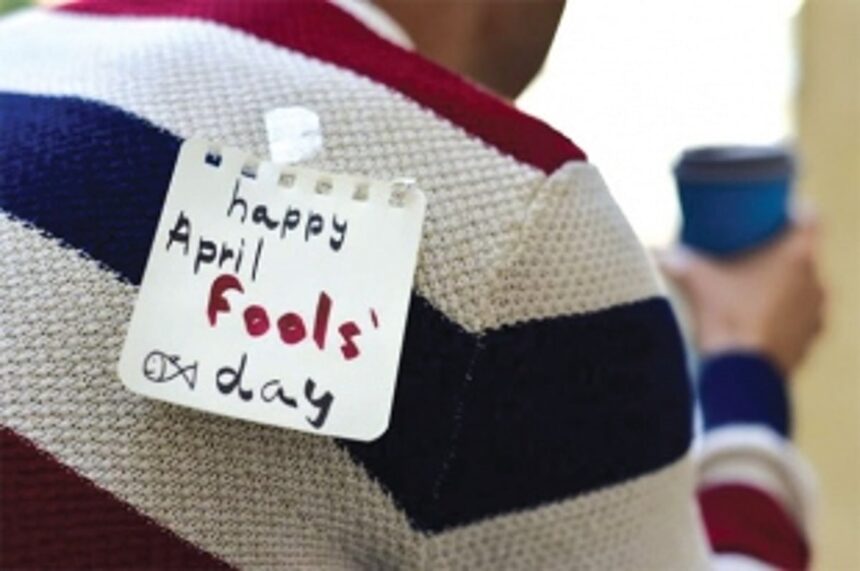
uninitiated, April Fool’s Day, sometimes called All
Fools’ Day, is an annual celebration commemorated
on April 1 by playing practical jokes and spreading
hoaxes. The jokes and their victims are called April
fools. People playing April Fool jokes often expose
their prank by shouting ‘April fool’ at the unfortunate
victim. Some newspapers, magazines and other
published media report fake stories, which are
usually explained the next day or below the news
section in smaller print.
While personal pranks may be on their way out
the door, brands and corporate houses seem to be
more interested than the masses in keeping the
spirit of April Fool’s Day alive. In fact, many feel
that the practice seems to be more prevalent and
stronger than ever because it’s been so strongly
embraced by advertisers and corporations. Anil
Desai, a marketing consultant, says, “It’s a great
marketing opportunity for brands. They come up
with these elaborate April Fool’s Day jokes because
these jokes turn viral, and they get quite a bit of
free marketing out of them.”