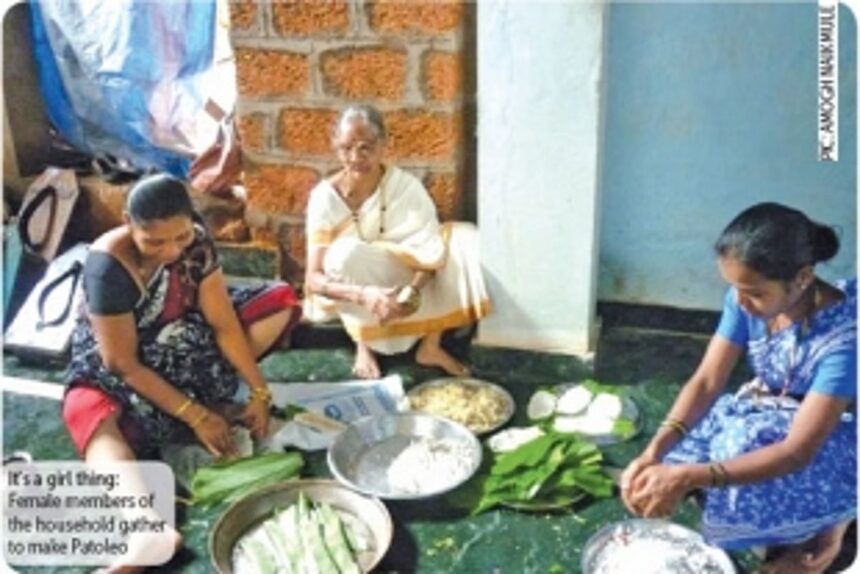
Goa’s rich culture and tradition is
probably its most prized asset, one that draws people from far and wide to be
part of festivals in Goa. Festivals here are not limited to any particular
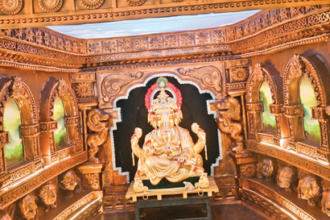
religious community as everyone celebrates all festivals, be it Ganesh
Chaturthi, Diwali, Easter, Christmas or Eid with equal fun and fervour, either
at home or at one’s friend’s home. Every festival is celebrated in the most
elaborate way, with sparkling houses covered in decorations, sweets and snacks,
fireworks and grand rituals. One element common in most festivities is that the
man of the house is usually at the forefront when it comes to the religious
rituals, when in actuality, no festival is complete with the contribution and
efforts of the women of the household.
Any celebration can never be complete
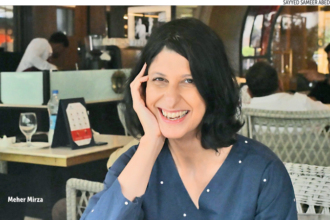
without a woman’s involvement. Sapna Sardessai, publisher and food blogger,
says, “It’s the woman of the house who makes note of what items are required
for a particular ‘puja’ or religious celebration, what the suitable menu should
be, etc. Then it is these same women who go ahead and prepare those delicious
food items that are unique to the festivity while also finding the time to
oversee every other preparation and ensure that the men and children of the
house have everything they require. Even working women nowadays learns to
balance their professional and family life.”

Seconding the opinion of Sapna, is author
and photographer Pantaleao Fernandes, who says, “Men mainly deal with the
decorations and shopping. They make the ‘Akashdiyas’ for Diwali and stars at
Christmas. They carry the Ganesh idol into the house. But the women make it a
festive affair. All such festivals are incomplete without the part women play.
For example, the women of the house are responsible for the traditional food
items, which are an integral part of any festival.”
Further elaborating on the vital role of
women in Christian festivals, cultural activist Marius Fernandes says, “For Christmas, many traditional sweets
are made by women like ‘dodol’, ‘nevreo’, ‘dos’, bebinca and many more. Of
course, men will buy coconuts and other ingredients from market and help in lifting
heavy vessels, however, the grinding, grating, mixing and overall preparation
is carried out by the women; they know exactly how much of everything is
required and how to bring out the traditional flavours.”
Marius, along with Parish Priest Fr Santana
Carvalho, under the banner of Succoro Socio Art and Culture Association, has
organised various secular festivals like ‘patoleaonche fest’, ‘ponsachem fest’,
‘cajuchem fest’ and other feasts. He adds, “We have women actively taking part
in these non-religious feasts. That itself is testimony to the fact that women
have mastered the art of making these traditional cuisine.”