Dolcy D’Cruz
Designed as a resource for researchers, students, writers, and performers, Tiatr Machi aims to preserve and critically explore Tiatr’s rich legacy. The editorial board includes Marcos Gonsalves, Fausto V. Da Costa, Dr Andre Rafael Fernandes, Fr (Dr) Luis Xavier Gomes, Fr Milton Rodrigues, and Dr Carlos M. Fernandes. The peer review team features experts such as Tomazinho Cardozo, Wilson Mazarello, Prof Remy Dias, Prof Joao Costa, and Dr Hanumant Chopdekar.
Editor Marcos Gonsalves explained, “This is our first attempt at academic research on various aspects of Tiatr. While individuals have done work before, this is the first time the Tiatr Academy of Goa is producing a six-monthly, multilingual, multiscript, peer-reviewed research journal focused on Goan expression and academic study. It offers a platform that traces Tiatr’s evolution, performance styles, and cultural essence.”
He added that the journal not only preserves a century-old tradition but also invites critical reflection on Tiatr’s ongoing relevance as a living, evolving art form.
Fausto V. Da Costa stressed the urgent need for such documentation. “Most information about Tiatr, especially the earlier works, has not been documented. Students doing theses often rely on incorrect data because no one has critically analysed those earlier works,” he said.
He added, “The articles in Tiatr Machi delve deep into classic Tiatr scripts by playwrights like Joao Agostinho Fernandes, offering fresh perspectives on their social themes and artistic depth.” Fausto also highlighted research on Tiatr music, noting how scholar Chiara examined differences between traditional Tiatr songs and contemporary performances in tone, structure, and purpose. “This information is crucial because Tiatr is vibrant and will continue for generations,” he said.
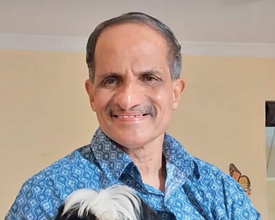
Among the notable contributors is Dr Cosma Fernandes, a respected Tiatr artist, academic, and researcher. Having spent nearly six years completing his PhD thesis on Tiatr, Dr Cosma emphasised the journal’s importance: “It is an important initiative because it gives academic validation to Tiatr. It will inspire more writers and scholars to conduct research and preserve our heritage.”
Dr Cosma, the first Tiatrist to earn a PhD on Tiatr-related topics, authored Konkani Tiatr: Fattbhuim, Sankalpana Ani Itihas and another book on the history of the Konkani language and literature. His research explores how Tiatr and its songs express and preserve Goan identity. “My paper for Tiatr Machi is a completely new study,” he explained. “It examines the movement of Goan identity through Tiatr and song, reflecting our social and political consciousness.”
He also praised the journal’s rigorous peer review process involving experts like Tomazinho Cardozo and Wilmix Pereira, adding, “Such journals add weight to our academic work and motivate new scholars to research Tiatr seriously.”
‘Tandulachem Kestaum’ – a powerful chronicle of Goa’s 1944–45 famine
J. A. Fernandes’s tiatr Tandulachem Kestaum offers a poignant portrayal of the 1944–45 famine in Goa, focusing on the Kunbi community’s struggles. Written in Roman Konkani with Portuguese and English influences, the tiatr provides rare socio-political commentary on wartime hardships under Portuguese colonial rule. It exposes the stark divide between suffering villagers and indifferent elites, blending literary artistry with historical insight.
Dr Remy Dias, an expert on Goa’s economic history, shared his perspective: “I wanted to research aspects of history where rice and rice production played an important role. The title of the tiatr resonated with my work because I focus on Goa’s economic history from the mid-18th century.”
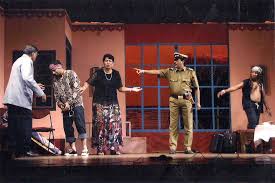
He noted the tiatr’s continuing relevance. “The play was recently re-staged by members of the Tiatr Academy. Through this research journal, we expect many more researchers to join this field because so many tiatrs are produced here,” he said.
Dr Remy added, “Producing, staging, and writing Tiatr is one thing. But engaging with it through research gives deeper insight into our society, economy, and culture. Earlier research existed, but now we need more focused study.”
With contributors like Dr Cosma Fernandes and Dr Remy Dias, Tiatr Machi heralds a historic step in elevating Tiatr from stage to scholarly discourse, preserving its artistic, linguistic, and cultural legacy for generations to come. TAG’s initiative ensures that Tiatr remains a dynamic art form that continues to engage, entertain, and enlighten.