Dr Gauri Gauns:
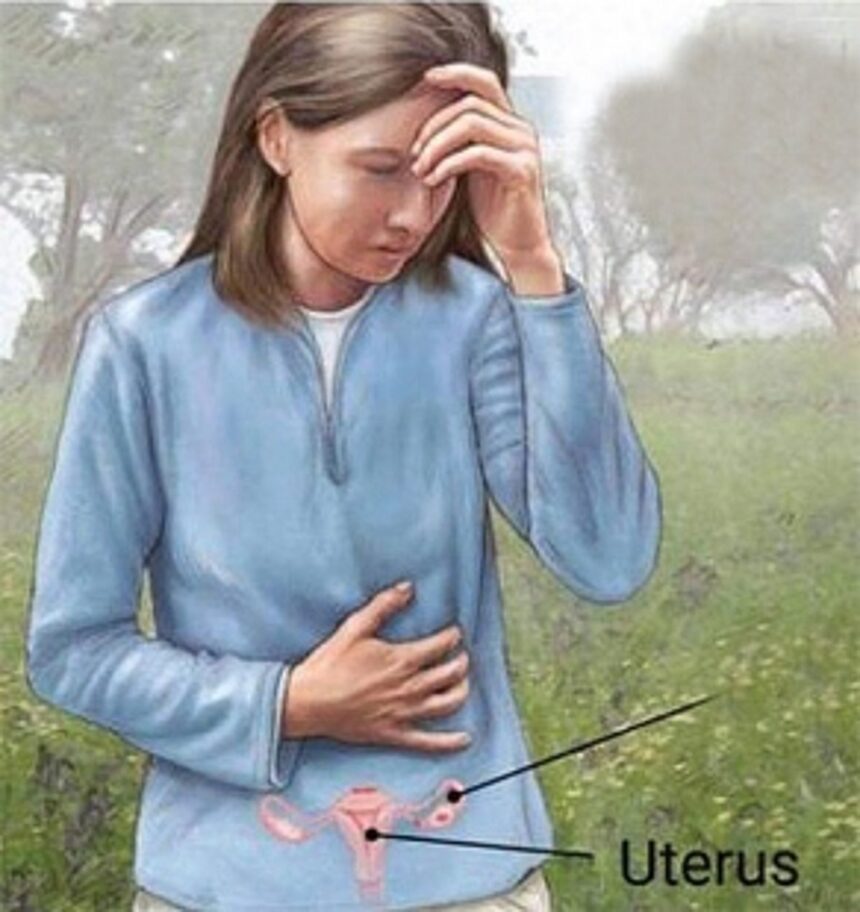
Endometriosis is a
condition where tissue similar to the lining of the uterus (endometrium), is
also found elsewhere in the body, mainly in the pelvis and abdominal cavity.
Every month a woman’s body goes through hormonal changes.
Hormones cause the lining of the womb to increase in preparation for a
fertilised egg. If pregnancy does not occur, this lining breaks down and
bleeds. This is released from body as periods.

Endometriotic cells react in a similar way, except that they are
located outside the womb. During the monthly cycle, hormones stimulate the
endometriotic tissue, causing it to grow, then break down and bleed. Unlike the
cells in the womb that leave as periods, this blood has no way to escape. This
causes a chain of inflammatory reaction causing scar tissue and adhesions
(abnormal bands of fibrous tissue) that cause the pelvic organs to stick to
each other.
HC: How common is
Endometriosis?
Dr GG: 10% of all women in
their reproductive years are affected by endometriosis. These are typically the
years between the onset of menses until menopause.
HC: Does endometriosis
affect only the ovaries and fallopian tubes?
Dr GG: No.
Although ovaries and the fallopian tubes are most commonly
affected, endometriotic lesions can be found in on the pelvic side walls, the
surface of the uterus, especially posterior surface, ligaments of the uterus,
in the body of the uterus (adenomyosis), urinary bladder, bowel (especially
rectum), ureter, laparoscopy / laparotomy scars, vagina, skin and rarely in the
lungs, brain and spine.
HC: Is endometriosis
hereditary?
Dr GG: It is known that
first degree relatives of women with this disease are more prone to develop
endometriosis. And when there is a hereditary link, the disease tends to be
worse in the next generation.
HC: Are there any risk
factors for endometriosis?
Dr GG: The following factors
may increase the risk:
Early start of
periods and late age of menopause
Conditions which
prevent the passage of menstrual flow out of body (imperforate hymen, vaginal
septum, reproductive tract anomalies)
Mother, aunt or
sister with endometriosis
Low body mass index
Never giving birth or
delayed childbearing
Short menstrual cycle
Long duration of
menstrual flow
Higher levels of
oestrogen in body or a greater lifetime exposure to oestrogen
HC: What are the symptoms
of endometriosis?
Dr GG: Pain – The most
common symptom of endometriosis is pelvic pain. The pain is usually cyclical
and associated with periods, however some may have acyclical and atypical pain.
Sometimes, the pain is so severe and debilitating that it affects a woman’s day
to day activities. Pain may be felt before/during/after menses (dysmenorrhoea),
during ovulation, while passing motions (dyschezia) or urine, during or after
sexual intercourse, in the lower back and abdomen. Endometriosis must be
suspected in any patient with progressively increasing dysmenorrhoea and in any
new onset cyclical pain.
Infertility – Around 30 to 40% of endometriosis cases
have difficulty conceiving. Women with moderate to severe endometriosis may
require help of surgery, assisted reproductive techniques or both. Some of the
possible causes of infertility are distorted anatomy of ovaries and tube, poor
quality and quantity of eggs, chemicals produced by endometriotic tissues are
toxic to sperm, egg and embryo, pelvic adhesions and altered immune function.
Other symptoms may
include diarrhoea or
constipation (especially during menses), abdominal bloating, fatigue and heavy
or irregular bleeding.
HC: Do all patients with
painful periods (dysmenorrhoea) have endometriosis?
Dr GG: No. Dysmennorhoea can
be primary or secondary. Primary is defined as painful periods in the absence
of pelvic pathology. This can be considered as a normal phenomenon and usually
subsides with simple painkillers taken under doctor’s supervision.
Secondary
dysmenorrhoea refers to painful periods due to pelvic pathology. Endometriosis
is the most common cause of this. Other causes may include fibroid uterus,
infections of genital tract, ovarian cyst etc.
Endometriosis is
suspected when patient has progressively worsening pain with every period,
severe pain right from the start of first menses, heavy and irregular menstrual
bleeding, associated symptoms of diarrhoea, constipation or vomiting.
HC: What is a chocolate
cyst?
Dr GG: A chocolate cyst
(ovarian endometrioma) is seen in endometriosis, wherein there is collection of
altered blood in the ovary. They get their name from their brown and tar like
consistency that is similar to melted chocolate. This cyst is benign
(noncancerous). A chocolate cyst can affect one or both ovaries and can be
single or multiple. It affects ovarian function and can cause pain.
HC: Can endometriosis be
prevented?
Dr GG: Currently there is no
way of preventing endometriosis.
HC: How is endometriosis
diagnosed?
Dr GG: The gold standard
method to diagnose endometriosis is laparoscopy, which enables a direct
visualisation of the disease. However, this is an expensive, invasive procedure
requiring hospitalisation. Ultrasound may show ovarian cyst (chocolate cyst) or
adenomyosis. MRI is helpful to diagnose the extent and depth of the disease,
especially involving rectum, urinary bladder and ureter. A thorough clinical
history and gynaecological examination can also help.
HC: What are the
treatment options in endometriosis?
Dr GG: The goal of treatment
is aimed at relieving pain, controlling the progression of disease and
preserving fertility for future childbearing. The treatment decided is
dependent on several factors, viz; age, severity of symptoms and disease,
desire to have children.
Hormonal treatment – Although hormonal treatment is not a
permanent fix, it may help to slow endometrial tissue growth and prevent new
implants. The various medicines used are, progestins (tablets or injection),
oral contraceptive pills, GnRH agonist injections, etc.
Surgery – Surgery aims to remove or destroy the
deposits of endometriosis and is usually done via laparoscopy.
Pain medication – Non steroidal anti inflammatory drugs
like ibuprofen, mefenamic acid, naproxen sodium etc can help to ease menstrual
cramps. These may also be used along with hormonal treatment.
HC: Do dietary and
lifestyle measures help to control endometriosis?
Dr GG: Yes. Exercise
releases endorphins (feel good hormones), which help to relieve pain. Moreover,
regular exercise lowers the amount of oestrogen in the body.
A healthy balanced
diet with plenty of fruits, vegetables and omega 3 fatty acid (found in
mackerel, sardines, walnuts, flaxseeds, pumpkin seeds) is advocated. Certain
immunity boosting Indian foods like turmeric, fenugreek seeds, ginger and amla
also help.
Avoiding or limiting
use of plastic in kitchen, home, or workplace would help to limit the exposure
to bisphenols and dioxin (endocrine disrupting chemicals). Plasticisers and
phthalates found in cosmetics can also lead to abnormal hormonal milieu.
Alternative
therapies with acupressure and yoga are helpful in certain patients.