Witnessing a meteoric rise since it
commenced in 2009, WhatsApp occupies the coveted position of being the most
popular instant messaging app in the world, overriding emails, SMS and even
Facebook and other social media. The advantages of being installed on a smart
phone, making the exchange of messages, videos or photographs worldwide
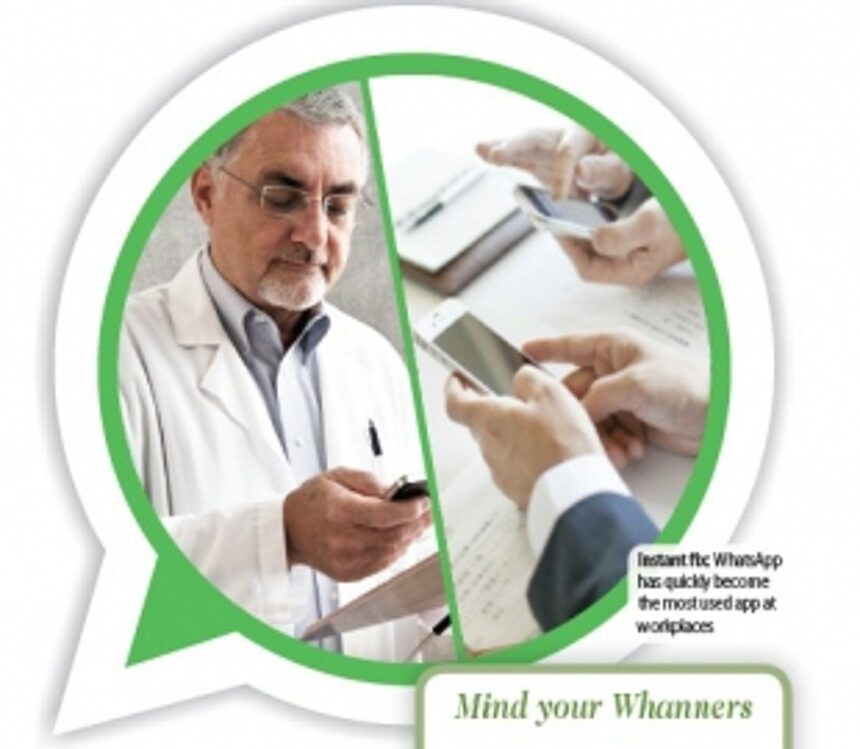
instantaneous, have been piling the votes in its favour. Today, from doctors to
corporates, WhatsApp has become the most frequently used mode of communication.
“Professional WhatsApp groups are an
excellent platform to exchange and educate,” affirms Dr Digambar Naik,
Cardiologist, Vrundavan Shelby Hospital, Mapusa. Interacting with over 200
cardiologists from across the country on his Echo Expert Group, Dr Naik avows
the benefits have been immensely beneficial. “We are a group of experts who
share difficult and interesting cases. Sharing difficult cases on WhatsApp
helps us to get an instant opinion/solution within a matter of minutes. Sharing
also helps us to learn so much, especially in view of the fact that cardiology
is a rapidly developing science,” explains Dr Naik, who has the honour of being
a member of another exclusive international group, Echo International.
Gathering the best of Goa’s lawyers to its
folds, the Goa Advocates Forum is proving to be a beneficial work platform.
“Besides discussing cases, we also share interesting news related to courts or
new notifications, meetings,” endorses High Court advocate Satish Sonak, while
enumerating his personal preference for the app. “Today WhatsApp is a third eye
for me and a window to the world. Now you need not be limited to a physical
club to meet and exchange views, you can do it in a virtual world with hundreds
of professionals at once. And although it has cut down on personal interaction
drastically, WhatsApp has inevitably given us speed in the here and now and
broadened our horizons,” maintains Sonak who is also a member of 15 diverse
groups.
‘Lekhak’ – a group of Goan Konkani, Marathi
and English writers cashed in on the benefits of coming together on WhatsApp in
May this year. “Never have we had a group like this before, where critical
discussions ensuing from literature take place,” explains journalist and group
administrator Sandesh Prabhudesai.
As a preferred mode of inter-office
communication, WhatsApp is once again taking precedence. Linked to a common
group in the office, the staff at Adv V A Lawande, Panjim confer and discuss
various matters on the group. “We share what legal matters are coming, legal
notifications and so on. If any urgent work needs to be done, then we WhatsApp
the documents to our seniors and seek advice. WhatsApp is not only instant,
it’s the most convenient mode of inter-office communication as compared to
emails or other social media,” explains advocate Fiona Cardozo.
To prevent misuse, many administrators have
put a few rules in place. “There is no exchange of frivolous information. We
are not even allowed to greet each other. We put up our echo picture and
questions and share information about conferences, workshops and meetings,”
explains Dr Naik.
Box
Mind your Whanners
Do not bombard the group with unnecessary
information or forwards
Add a caption about videos posted, so
irrelevant information can be deleted
Do not personalise replies
Do not expect a reply to every post
Avoid communal/hatred posts
If you must post a joke, do so to the taste
of the group
Do not post IAS/IIT level puzzles, not
everyone is a techie
Just a couple of smileys are sufficient
If you are a member of a group, post at
least one message a week