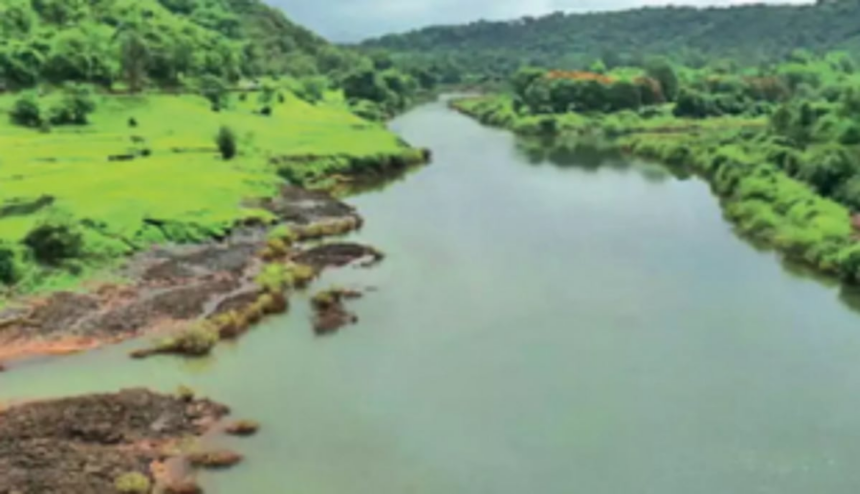
It has set up a special Mhadei River Dispute Cell under it to coordinate directly with the office of the Advocate General on all matters relating to the dispute and take necessary action for appropriate approval of the government. Goa has been fighting for the waters of the Mhadei for much over a decade, so one has to ask why it took the government this long to set up a dedicated team for this. Though late, the special cell is a good move and hopefully it will show results soon.
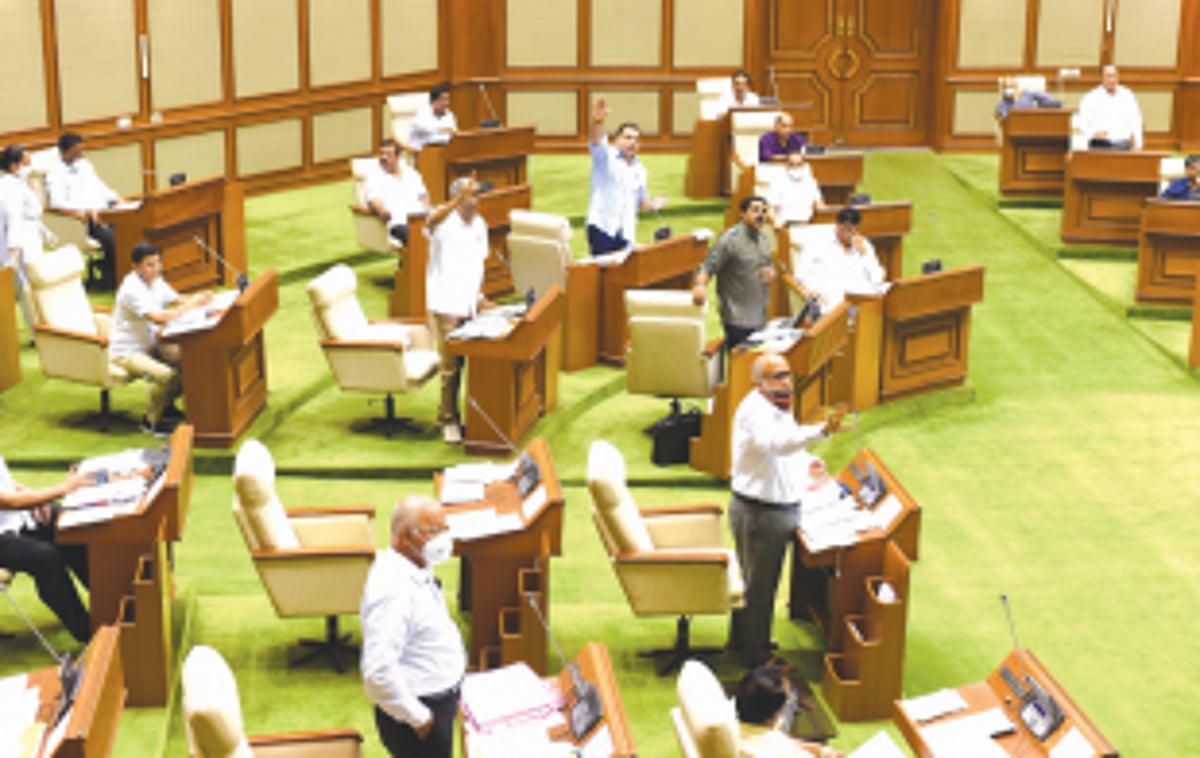
The water policy that was tabled in the House last week comes two decades after the earlier policy had been formulated. The updated new version focuses on sustainable water management and adequate quantity for all human requirements. The aims are not contestable, the valid question is whether Goa can meet these aims or not. This is relevant as the policy is clear that though the water availability in the State is above the ‘water stress’ level, the estimated amount of water is not available for human consumption. This is also despite the fact that Goa has nine river basins and its rivers are not known to dry up in the summer months. The population is projected to touch 16.5 lakh by 2021 while the per capita annual water availability is 1807 CuM. The policy states that if the amount of renewable water is less than 1700 CuM, then the country is said to be experiencing water stress. Goa, therefore does not fall into this category, but it is also abundantly clear that the available water resources are not being suitably managed.
Another aspect that the policy touches upon is expanding the scope of rain water harvesting by making it mandatory for more classes of buildings to have such systems. Making it compulsory for private enterprise to have rainwater harvesting systems is a good move, but how much of the monsoon rain does the State accumulate and keep for use during the rest of the year? In mid-April this year, villages were complaining of no water, this after a monsoon that was the heaviest in a century, where the excess rainfall was 41 per cent above the normal. Against this background, there ideally should have been no water shortage problems, but this would depend on the rainwater having been efficiently harvested. The shortage indicates that much of the rainwater just drains into the sea. Will the revised policy bring about a positive change in this?
There is a lot that the policy envisages, including achieving a balance between environmental and economic concerns. It aspires to debunk the ‘misconception’ that the environment conservation and economic development are competitors and either one can flourish at the cost of the other by stating that the global experience is opposite and the more prosperous a nation, the better they can do to protect the environment.
The policy has got it right when it states that master plans will be prepared for the development and management of water resources of all the river basins. These plans are essential, especially against the backdrop of the water sharing disputes with other States and also to adequately utilise the available water in the State. The long term needs of the land cannot be ignored when formulating the water policy. The policy in its action plan seeks to determine the requirements for agriculture, domestic and industrial use and also determine the environmental flow, surface water and ground water availability. The policy has been tabled, it cannot remain a mere document, it has to find the balance between use of water and its conservation.