The move to jump start to a 2030 Regional Plan by withdrawing the 2021 Regional Plan, is the only pragmatic thing this government could have done. But the decision by itself will neither rectify all the wrongs of the past, nor will it give the plan that stakeholders want in the village unless the bottom up approach is adopted in all aspects.
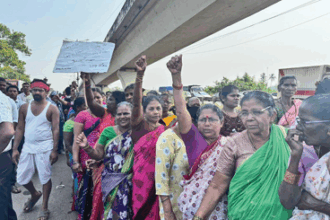
The challenge is humongous since there is a legacy of wrongs that need to be set right and those cannot be done by simply wishing them away. After 2001, Goa has not a single functioning Regional Plan with RP-2011 forced to be scrapped after a historic people’s agitation, while RP-2021 remained in suspended and suspicious animation.
While new beginnings are sought to be made through the marquee concept of TDR which, as a concept, looks clearly at protecting heritage areas, salt pans, forests and other sensitive areas, there are few red flags that need to be raised, in the interest of the fool proof implementation of RP-2030.
Firstly RP-2030 need not re-invent the wheel completely. The manner in which 2021 was conceptualised and drafted, itself, was commendable. But that was upto the draft stage. Enough ground work was done on this. When the exercise begins all over again, it will be prudent to commence from the draft stage of RP-2021 and cleave out the portions that can be easily carried forward to RP-2030. It is expected, and strongly so that the eco-sensitive zones earmarked in the Draft RP should be maintained.
Therefore the decision that RP-2001 will be made the base plan should be seen in the above backdrop. Draft RP-2021 has perhaps been the most honest, people- centric document concerning land use and planning. Unfortunately between the draft and the final notified version, the world seemed to have changed and a disruption of volcanic proportions with the advent of eco-tourism zones and rampant conversions and Zonal changes, was felt, causing many public spirited stalwarts like Edgar Ribeiro to distance themselves from the exercise.
It is because of the unrest among civil society over the manner of zone changes, that the current decisions to allow zonal changes on a case to case basis, may be looked at with skepticism. The onus is now on TCP Minister Vijai Sardesai to ensure in a transparent manner that the cases in public interest are not of private interest. This point is also aligned to the decision of honouring all past commitments, presumably of conversion. But past commitments could have also included those which were blatantly illegal and had manipulated the existing vagueness over the use of land use because of no definite Regional Plan. When course correction is the course that this government plans to study and implement, then it cannot allow a few rotten chapters of the past to be included in the syllabus, even if they are not by design
Minister Sardesai must realise that he is not facing a challenge of ideation or innovation or even motivation in giving Goa a good Regional Plan. What he faces, and this is due to the historically acrimonious relationship the TCP department has had with the people of Goa, is a challenge of perception. Therefore each step will be under a microscope and he and the department will have to face this trial by fire.