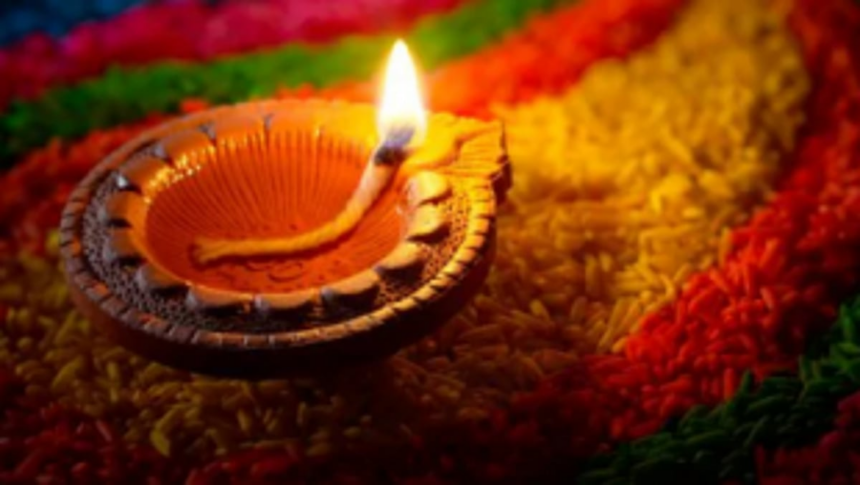
The breaking of dawn this Diwali day signifies the triumph of good over evil, and in Goa the Narkasur has traditionally been the symbol of this evil. This year, due to the restrictions, the Narkasur effigies may not have gone up in smoke with the loud bursting of crackers, but they would still be reduced to ashes as they were meant to be. In Goa, Diwali without the burning of the Narkasur, would just not be the same, perhaps a reason why the earlier restrictions on the height of the effigy were later withdrawn.
The Narkasurs have been consumed by flames, and in the gaily decorated houses there are lamps lit, there is an air of festivity in the State, as the festival of lights is ushered despite the gloom of the pandemic having robbed the festival of much of its usual gaiety. But who can ignore a festival that celebrates the good over the evil? Few, but should good be celebrated only once a year? Shouldn’t it be a year-long event, where only the good is always ushered in and the bad left out? Perhaps the people should consider this more seriously and allow the winds of change to bring in more positivity into the State.

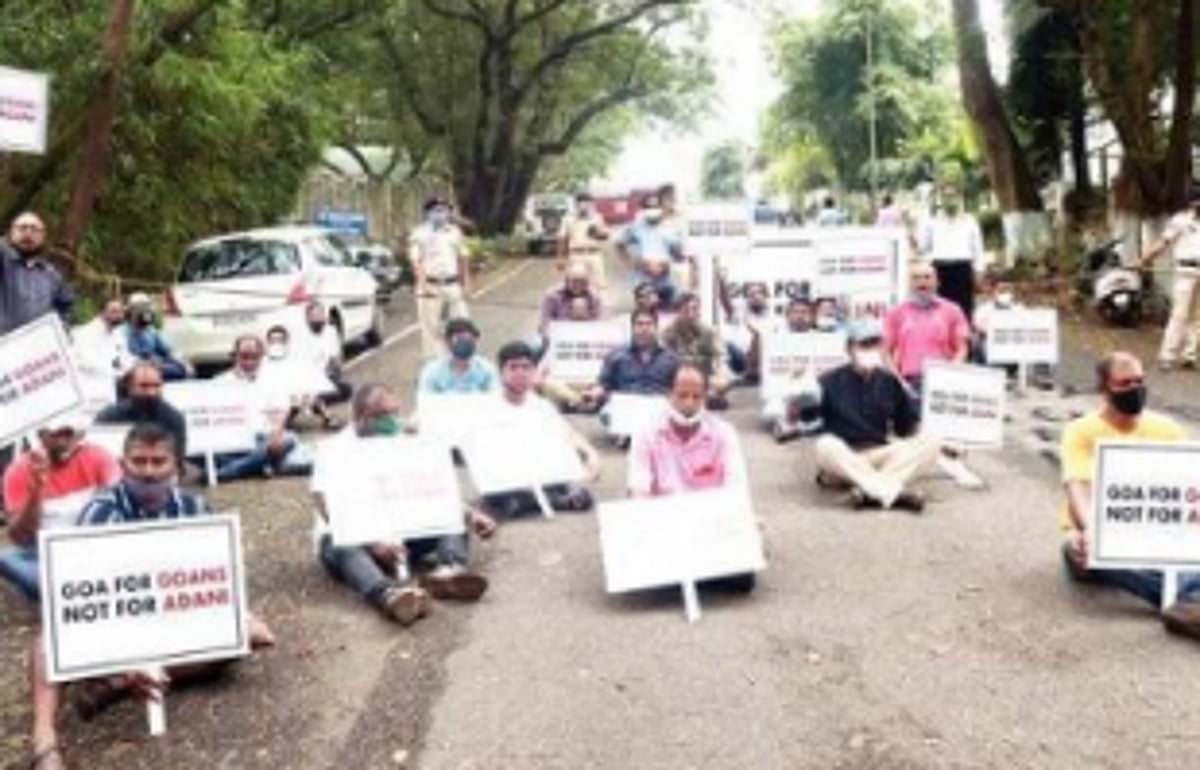
This Diwali season can we sweep back the troubles that we have been experiencing and have a resolution to the various issues affecting Goa? Can we not convert the symbolic burning of the effigy of a demon into an everyday practice that ensures that only the good prevails in society? The State today is at a crucial period of time, with massive projects that will have devastating effects on the environment and also on the homes of a section of the people. Whether it be the IIT at Melauli, or the three linear projects that cut through the Mollem forest, or the marina at Nauxim. The projects have been hanging over the State for far too long. Can this Diwali change that?
The IIT is an educational institute that is required in the State of Goa. If the residents of Melauli do not want it there, an alternative site needs to be identified. What Diwali will these agricultural families from Melauli be celebrating today, knowing that their land and their fields and their trees are being taken away from them and being given to the IIT? There is lot of vacant government land where the IIT can be shifted. Similarly with the villagers of Nauxim. Can they be expected to celebrate a grand Diwali, with the possibility of the marina hanging over them? Can these two villages be rid of the troubles that affect them today?
The three linear projects – rail double tracking, highway expansion, electricity substation – have to be addressed by the government and immediately. Goencho Avaaz and Goencho Ekvott, that have been spearheading the movement against these three projects, have sought a Diwali gift from the government, which is nothing less than the scrapping of the three projects. In the current times of an economic crisis, when Diwali gifting may have seen a definite downslide, a gift as that demanded by the two groups from the government would perhaps make absolute sense and bring some cheer. But, will the government rise to the occasion and deliver what is demanded from them?
Diwali may turn a lot more meaningful if at least some of the issues plaguing Goa were to be immediately addressed. As Goyant Kollso Naka said, it is the war against the coalasuras. The pandemic would not seem to be so depressing, if there were some positive news to come from the government.