Stop exploitation of resources in the name of tourism

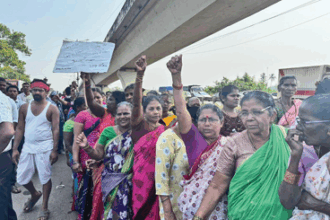
housands of protesters took to the streets of Barcelona in Spain on July 6, waving placards, 'Tourists, go home' and squirting water guns at outdoor diners. The Saturday's protests are the latest in the series of protests against mass tourism in Spain and especially Barcelona, where housing costs are soaring and is the primary concern of the protesters. Reports claim that rents in Barcelona have increased by 68 percent over the past decade and the cost of buying a house increased by 38 percent, making it unaffordable for the locals. According to local authorities, around 12 million tourists visited Barcelona in 2023 which has a population of 1.6 million and Spain received the second-highest number of tourists, with 85 million foreigners visiting the country. It is not only Barcelona in Spain but across the globe that anti-tourism protests are being witnessed in the recent past, especially in the post Covid-19 scenario when the tourism sector has received an unprecedented spike across the continents. Protests are being held in France, where ahead of the 2024 Paris Olympics which is scheduled for later this month, locals from the city are taking to social media to dissuade tourists from visiting during the sporting event. In May this year, residents in Athens joined the protest of over-tourism, spreading a message across the Greek capital with slogans such as 'No tourists, no hipsters'. Last month, the Calangute panchayat sent a proposal to the government and the administration, including the Collector and the police, to erect entry check-posts on the borders of the village and charge an entry fee to those who do not have accommodation booked in one of the most well-known beach destinations in the country. Earlier this month, former Union Minister for Industry and Commerce Suresh Prabhu stressed the need to conduct a scientific study of Goa’s carrying capacity. He emphasised the need to maintain the beauty of Goa and conserve its ecology to ensure locals can protect their livelihoods in agriculture, fisheries and tourism. Days later, on Thursday, Union Minister of Road Transport and Highways (MoRTH) Nitin Gadkari said Goa needs a master plan and the State government needs to think on priority how to make Goa a pollution-free State. He said that considering the increasing number of domestic tourists in Goa, the State government needs to identify the needs of these tourists and future challenges and prepare a master plan in time. The common thread amongst the protests in other countries and the voices in India is that Goa is a tiny State and there needs to be a scientific approach to the resources and the revenue generation. Goans cannot be left aloof while planning tourism or any development policy. The escalating real estate prices have made rentals beyond the affordability of the locals and purchasing a home has become a distant dream. In 2016, when the Goa government began drafting the Tourism Master Plan, a delegation was sent to Barcelona to study the city's and Spain’s successful tourism model. However, using the same yardstick the Goa government should now analyse the repurcussions of mass tourism and the related local population outcry in the Spanish city. Today, the locals in Barcelona have used only water pistols as a weapon to send home a message to the tourists, but if the concerns go unattended, then the worst is yet to come. Taking a leaf of caution from the Barcelona protests, it is high time the Goa government undertakes a thorough scientific study to assess the State’s carrying capacity and stop the exploitation of resources in the name of tourism and making Goa a "second home" destination.

xThe Saturday’s protests are the latest in the series of protests against mass tourism in Spain and especially Barcelona, where housing costs are soaring and is the primary concern of the protesters. Reports claim that rents in Barcelona have increased by 68 percent over the past decade and the cost of buying a house increased by 38 percent, making it unaffordable for the locals. 

According to local authorities, around 12 million tourists visited Barcelona in 2023 which has a population of 1.6 million and Spain received the second-highest number of tourists, with 85 million foreigners visiting the country. 

It is not only Barcelona in Spain but across the globe that anti-tourism protests are being witnessed in the recent past, especially in the post Covid-19 scenario when the tourism sector has received an unprecedented spike across the continents. Protests are being held in France, where ahead of the 2024 Paris Olympics which is scheduled for later this month, locals from the city are taking to social media to dissuade tourists from visiting during the sporting event. In May this year, residents in Athens joined the protest of over-tourism, spreading a message across the Greek capital with slogans such as ‘No tourists, no hipsters’.

Last month, the Calangute panchayat sent a proposal to the government and the administration, including the Collector and the police, to erect entry check-posts on the borders of the village and charge an entry fee to those who do not have accommodation booked in one of the most well-known beach destinations in the country. 

Earlier this month, former Union Minister for Industry and Commerce Suresh Prabhu stressed the need to conduct a scientific study of Goa’s carrying capacity. He emphasised the need to maintain the beauty of Goa and conserve its ecology to ensure locals can protect their livelihoods in agriculture, fisheries and tourism. 

Days later, on Thursday, Union Minister of Road Transport and Highways (MoRTH) Nitin Gadkari said Goa needs a master plan and the State government needs to think on priority how to make Goa a pollution-free State. He said that considering the increasing number of domestic tourists in Goa, the State government needs to identify the needs of these tourists and future challenges and prepare a master plan in time.

The common thread amongst the protests in other countries and the voices in India is that Goa is a tiny State and there needs to be a scientific approach to the resources and the revenue generation. Goans cannot be left aloof while planning tourism or any development policy. The escalating real estate prices have made rentals beyond the affordability of the locals and purchasing a home has become a distant dream. 

In 2016, when the Goa government began drafting the Tourism Master Plan, a delegation was sent to Barcelona to study the city’s and Spain’s successful tourism model. However, using the same yardstick the Goa government should now analyse the repurcussions of mass tourism and the related local population outcry in the Spanish city. Today, the locals in Barcelona have used only water pistols as a weapon to send home a message to the tourists, but if the concerns go unattended, then the worst is yet to come.

Taking a leaf of caution from the Barcelona protests, it is high time the Goa government undertakes a thorough scientific study to assess the State’s carrying capacity and stop the exploitation of resources in the name of tourism and making Goa a “second home” destination.

Share This Article