

A disturbing trend has emerged in the state of Goa—a significant increase in children engaging in conflict with the law. From school corridors to bustling community streets, more juveniles are falling into the clutches of delinquency, committing offenses ranging from drug peddling to severe sexual crimes under the Protection of Children from Sexual Offenses (POCSO) Act.
Moreover, the rise of digital technology has paved the way for new forms of juvenile misconduct, including cybercrimes, online child abuse, and cyberbullying. Having served as the Chairperson of the Goa State Commission for Protection of Child Rights, I find it crucial to confront these challenges with determined action and innovative solutions.
The recent Pune Porsche crash, where a minor allegedly caused a fatal accident while driving a luxury car, brings into sharp focus the complexities of addressing juvenile delinquency.
This incident, which has sparked debates about whether minors should be tried as adults, underscores the urgent need for a multifaceted approach to juvenile justice. In Goa, we face similar challenges, with a disturbing rise in crimes committed by children. This surge in incidents demands a robust framework that encompasses prevention, intervention, and systemic strengthening to prevent the pathway to delinquency and intervene effectively when it occurs.
Addressing this issue effectively requires a comprehensive strategy anchored on three key pillars: prevention, intervention, and systemic strengthening.
Prevention as the
Cornerstone
Prevention is the cornerstone of our approach. It is essential to intercept the path to delinquency before it begins. We must implement programs that build resilience and nurture positive behaviours among our children. Early intervention can prevent the onset of harmful activities, helping to establish a supportive environment that fosters social and emotional well-being. By equipping our children with the necessary skills to handle the challenges of adolescence, we can guide them away from criminal paths.
Education also plays a crucial role. Integrating lessons on empathy, responsibility, and respect into school curriculums can shape the moral framework of our children. Additionally, comprehensive sex education can inform them about consent, boundaries, and healthy relationships, which is vital for decreasing the rates of sexual offenses and exploitation.
Intervention for Juveniles
However, prevention is just one aspect. We must also focus on intervention for those who have already started down the path of delinquency. Diversion strategies, which prioritize rehabilitation over punishment, form the backbone of effective juvenile justice. Diverting young offenders from the traditional criminal justice system to community-based programs allows us to address the root causes of their behaviours.
Offerings like counselling, mentorship, vocational training, and restorative justice efforts can help repair harm and promote accountability.
The Pune Porsche crash case highlights the importance of these intervention strategies. The controversy over treating the minor as an adult and the community’s reaction to the event reflects the delicate balance between accountability and rehabilitation. Our approach in Goa must prioritize diversion and rehabilitation strategies over punitive measures, ensuring young offenders receive the support they need to reform.
Systemic Strengthening
The success of our prevention and intervention efforts relies on the robustness of the ecosystem surrounding our youth. A solid framework involving law enforcement, the judiciary, social welfare bodies, and educational authorities is crucial for a synchronized and thorough approach. Cooperation and information sharing among these entities are vital to identifying at-risk children, customizing interventions to their specific needs, and monitoring their progress.
Unfortunately, the juvenile justice system in Goa has not received the attention it deserves. This neglect hampers our ability to implement comprehensive strategies effectively. The landscape of juvenile delinquency is rapidly evolving due to technological advances and changing social norms. As such, it’s crucial for professionals involved in juvenile justice—such as social workers, law enforcement officers, and educators—to remain vigilant and adaptable. They need ongoing training and capacity-building initiatives to stay updated on the latest digital trends and protective measures.
These training programs should be frequent and informed by the latest research and best practices, focusing specifically on cyber-related offenses and the psychological impacts of digital exposure on youth. Additionally, enhancing the digital literacy of professionals is essential, enabling them to understand and navigate the digital realms that young people frequent.
Learning from the Pune Incident
The Pune Porsche crash serves as a poignant reminder of the critical need to strengthen our juvenile justice system. The tragic incident, where a minor allegedly caused a fatal accident while driving a luxury car, underscores the urgent need for a multifaceted approach to juvenile justice. This incident highlights the broader issue of juveniles engaging in serious offenses and the debate around whether minors should be tried as adults in extreme cases.
Our approach in Goa must prioritize diversion and rehabilitation strategies over punitive measures, ensuring young offenders receive the support they need to reform. This includes comprehensive programs encompassing counselling, mentorship, vocational training, and restorative justice. By enhancing the digital literacy of professionals and integrating lessons on responsible online behaviour into school curriculums, we can better equip our children to navigate the digital world safely.
Conclusion
In conclusion, the rising trend of juvenile delinquency in Goa is a complex challenge that necessitates a layered and thoughtful response. By focusing on prevention, intervention, and strengthening our systemic approaches, we can cultivate a safer, more supportive environment for our young population. The Pune Porsche crash serves as a stark reminder of the urgent need for a robust juvenile justice system that balances accountability with rehabilitation.
Let us unite in this endeavour to foster a future where every child has the opportunity to prosper and positively impact our community. By implementing comprehensive strategies that address the root causes of juvenile delinquency and supporting our youth with the necessary tools and knowledge, we can create a safer and more just society for all.
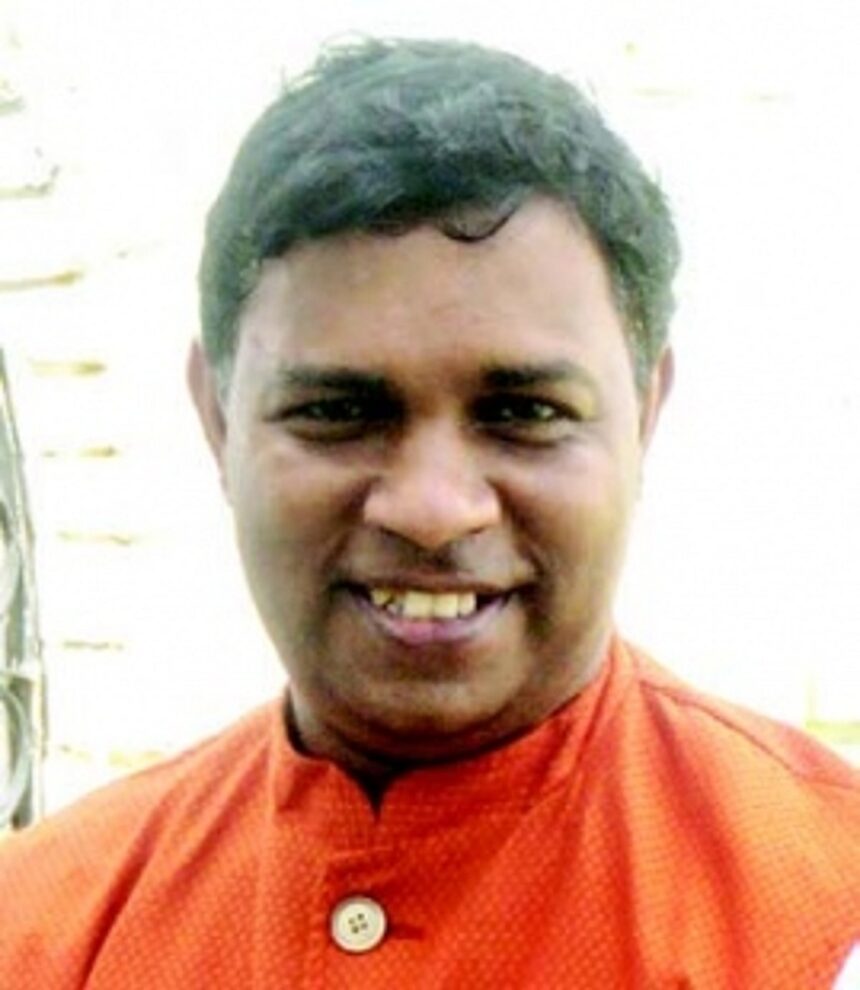
(Peter F Borges, with over 21 years of experience working with children and young people, serves as the Chairperson of the Goa State Commission for Protection of Child Rights)


