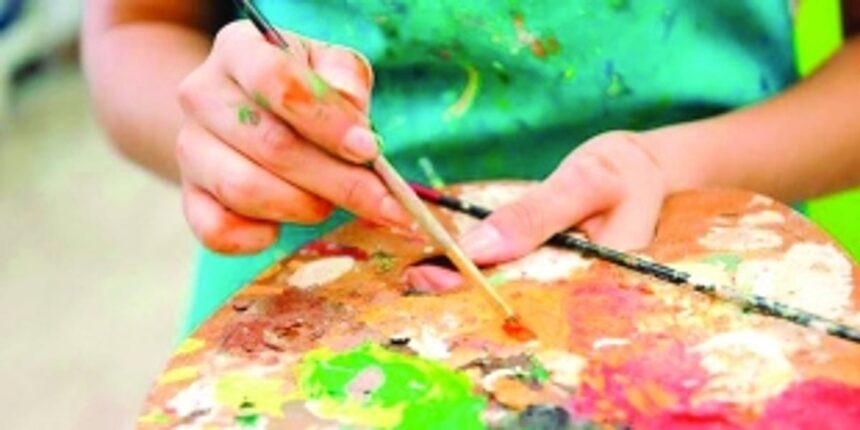
The therapeutic value of art to impart wellness and cure from life-crippling ailments is less known among people in our society. Yet, surprisingly art therapy, also known as expressive therapy is an age-old universal emotive language which uses art as a means to communicate and beckons people to explore and express their emotions and thoughts in a nuanced and creative manner.
Art therapy, though relatively a new branch of curative medicine is more relevant now than ever before in the face of the devastating effects of the Covid-19 pandemic on the lives of people. This therapy is suitable for people of all ages due to its versatility. Pure and simple, it’s not designed to make people iconic artists, but rather to use the medium of art to bust stress and provide relief, meaning and hope to those souls whose lives are either on the brink of despair or wandering aimlessly.

Art therapy also known as expressive therapy is an ancient universal language which uses art as a means of communication and lets people explore and express their emotions and thoughts. Art therapy is about having fun through self-exploration. Creating an artwork allows your mind to be in a safe place while it contemplates the tougher issues you are dealing with. The goal of art therapy is to utilize the creative process to help people explore self-expression and, in doing so, find new ways to gain insight into one’s self and develop new coping skills.
Art therapy is used with children, adolescents, adults, older adults, groups and families to assess and treat: Anxiety, depression and other mental/emotional problems. It is used to improve cognitive and sensory-motor functions, foster self-esteem and self-awareness, promote social skills, reduce and resolve conflicts and distress.Medical institutions, community programs, nursing homes, wellness centers, educational institutions, hospitals, mental health centers, prisons, group homes, and many government agencies utilize art therapy in a variety of ways. It is hard to be bogged down in negative feelings and fear when you are creating a piece of art. Instead, you experience a sense of grounding, an enduring presence and a rewarding sense of connecting with yourself.
Art is healing because it forces you to forget a connection between your mind and your body. Unlike exercise, which works your body, or meditation, which clears your mind, art-making provides accesses to both mind and body to promote healing.
Art therapy is all about the process. Nobody is there to judge you on how good your art is. As long as you are feeling comfortable and relaxed while creating. The benefits of art therapy range from reducing stress to improving fine motor skills. Therapists use art therapy for counseling, physical rehabilitation, and behavior management to assist clients dealing with abuse, mental illness, social or emotional issues, neurological and cognitive problems, trauma, physical conditions, family issues, anxiety and addictions. The use of art in its countless forms to treat psychological disorders and enhance mental health is known as Art therapy.
Art therapy is a technique rooted in the idea that creative expression can foster healing and mental well-being. People have been relying on the arts for communication, self –expression, and healing for thousands of years. But art therapy didn’t start to become a formal program until the 1940’s. The British artist Adrian Hill coined the term art therapy in 1942. Hill, recovering from tuberculosis in a sanatorium, discovered the therapeutic benefits of drawing and painting while convalescing. “When I indulge in art…my mind doesn’t wander to different places. Specifically to the things that make me anxious. When we connect with art, we are ultimately connecting with our inner selves.”
Art Therapy – The Science of Happiness: helps to overcome Stress, Depression and Anxiety by using the power of music, dance, writing and drawing. Dance is the hidden language of the soul of the body. To dance is to be out of yourself – Larger, more beautiful and more powerful.
Art therapy can help you process your emotions and find inner healing. When you colour, it allows your brain to focus on something creative. Plus, your repetitive action of colouring can induce a meditative and soothing mood. Art is not a thing. It is a way of life. It transcends cultural boundaries.
Art therapy can help you process your emotions and find inner healing. Life is art and should be lived with colour. Art is to console those who are broken in life. Art washes away from the soul the dust of everyday life. There are two distinct languages: The verbal which separates people…..and there is the visual that is understood by everybody. Being creative is the natural order of life. The object of art is to give life a shape. Life is about creating oneself. Artistic expression helps our brains produce dopamine – a happy hormone which activates the brains reward pathways; so art therapy is great for those with depression or anxiety. The underlying concept is to help balance emotions, reduce stress, and explore our creativity.
The medical profession has come a long way in recognizing the healing benefits of art. Art therapists use a combination of art and psychology to help patients improve their well-being and to cope with and recover from mental, emotional and physical problems. Art therapists may collaborate with other health care professionals to provide comprehensive care for their patient’s based on their unique situations and preferred form of artistic expression. They encourage patients to reflect on their creations and cope with their problems.
As mankind is in the process of perfecting itself, art therapy will endure. In our evolutionary life’s journey, art will emerge as an integral part of our life imparting the finest human values to create a peaceful equitable, healthy and a happy world.
(The writer is a Social Scientist and a practicing Criminal Lawyer)