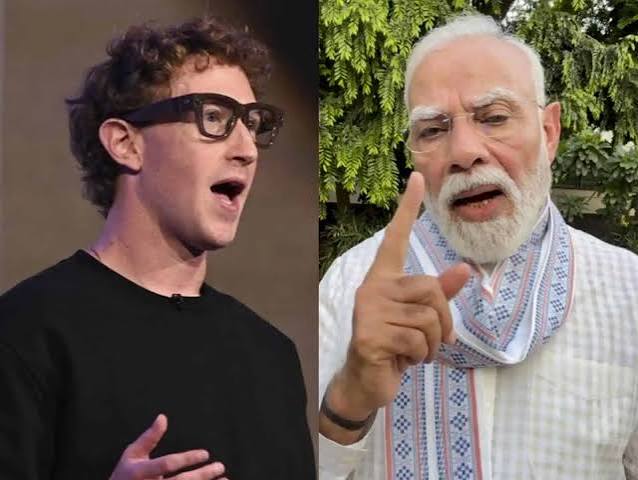
The Centre on Wednesday held a nearly 45-minute high-level meeting with senior Meta executives, raising concerns over the temporary removal of Prime Minister Narendra Modi’s Facebook video, the platform’s content moderation practices and alleged lapses in tackling child sexual exploitative and abuse material (CSAM). The meeting comes amid growing regulatory scrutiny of Meta, which owns Facebook and Instagram, over compliance with Indian laws.
According to sources, the discussions focused on three key issues — the removal of PM Modi’s Gen Z outreach video, concerns over alleged non-compliance with government requirements, and the presence of inappropriate content on Meta-owned platforms.

The meeting took place against the backdrop of the Parliamentary Standing Committee on Information Technology asking Meta CEO Mark Zuckerberg to apologise within three days over the removal of the Prime Minister’s video, warning that the company could otherwise risk losing legal protections available under Indian law.
The legal immunity in question stems from the “safe harbour” provisions under Section 79 of the Information Technology Act, which protect social media intermediaries from liability for third-party content, provided they comply with prescribed legal obligations.
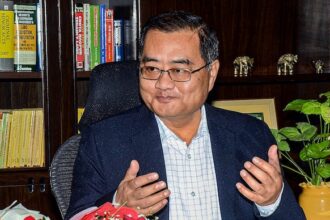
The Meta delegation was led by Chief Global Affairs Officer Joel Kaplan and included Vice President Neil Potts, Senior Director Rafael Frankel, along with officials Aman Jain and Priya Srinivasan. Representing the government was Information Technology Secretary S. Krishnan.
During the meeting, government officials reiterated that all social media platforms operating in India are required to comply with the country’s legal framework, emphasising that the issue was about adherence to the law rather than restricting freedom of expression.
Meta executives explained that the removal of PM Modi’s Facebook video was the result of a technical error. The company has already apologised publicly for the incident and restored the video after it remained unavailable for around five hours. Officials also highlighted Meta’s existing internal content moderation systems and fact-checking mechanisms, maintaining that misuse of its platforms is neither deliberate nor knowingly permitted.
Apart from the video controversy, the government also revisited concerns regarding CSAM appearing in paid Instagram advertisements. Last month, the Centre had issued a notice to Meta over the issue, making online child safety another major point of discussion during Wednesday’s meeting.
The controversy began after PM Modi’s selfie-style video, aimed at engaging younger audiences amid protests over alleged examination paper leaks, was briefly removed from Facebook. The government subsequently summoned Meta’s global team to explain the circumstances surrounding the takedown and address concerns regarding possible algorithmic bias. Another round of discussions between the two sides is expected on Thursday.
Meta officials had also appeared before the Parliamentary Standing Committee on IT earlier this week, where lawmakers questioned who authorised the removal of the Prime Minister’s video and why allegedly objectionable content continued to remain accessible on the platform.
The scrutiny has extended beyond official meetings. Cases have reportedly been registered against Meta India head Arun Srinivas and certain social media accounts over allegedly morphed and AI-generated posts targeting Prime Minister Modi during the ongoing student protests.
The latest developments signal increasing pressure on global social media companies to strengthen content moderation, improve transparency in platform governance and ensure compliance with India’s digital regulations as authorities continue to closely monitor online content moderation practices.