India is back in the news for all the wrong reasons. Two weeks ago, the World Inequality Report for 2021 was released in the public domain and since then, there has been a lot of reactions about the same from corporate leaders, think- tanks, and civil society at large. Authored by Lucas Chanel, the co-director of France-based World Inequality Lab, and co-authored by around 100 renowned experts and economists, the report serves as an eye-opener to the world in which we live.
The harsh reality is that India has come out on top as one of the most “unequal” countries on a global scale with a mere one percent (read nation’s elite) of the population holding 22 percent of the total national income in the year 2021. The report also flags a significant drop in global income during 2020, with about half the dip in rich countries, and half in low-income and emerging countries. While inequality has always existed for ages throughout the globe, the recent inequality report paints a dismal picture of India. There is a dire need for the country to be concerned about rising inequality, and rightly so. The pernicious problem of the Covid-19 pandemic threatens to derail the growth and stability of the country.
What has led to India’s current “Inequality” woes? The rise of inequality is not inevitable. Rather, it is more a result of the policy choices of successive regimes. As Lucas Chanel says, “This inequality does not question democracy, but rather the choices we make under democracy,” The growth strategies enacted by successive governments over the past few decades have largely resulted in inequality on a large scale. The Governments have depended on excess privatization and focused mostly on the private sector. This is evident by the salaries of workers in most private firms. The report states, “deregulation and liberalisation policies have led to one of the most extreme increases in income and wealth inequality observed in the world.” The flip- side is that there is considerable agreement that concrete steps do help to reduce inequality.
So, how can India combat rising Inequality? Many things are required to be done to decrease inequality. Most importantly, one of the solutions to curb these inequalities is to focus on balancing income and wealth redistribution policies. There is a need to concentrate on a draconian taxation pattern for the super-rich, to help the poor people prosper. There is a lot of potential for increased taxation of wealth and corporate profits. Progressive taxation, where corporations and the richest individuals pay more to the state to redistribute resources across society, is essential.
Two, Governments, multilateral institutions, and financial institutions would do well to address the problem of social inequality by focusing on more social expenditure and creating sustainable opportunities for the lower sections of society’s strata to succeed. They need to work with all stakeholders in the social sector and craft the right kind of response. While the government spends a good amount of money on digital infrastructure, there is a need for more attention on poorer regions of the country, which are the most affected due to inequality. Investments in these regions can create an increasing number of jobs and thereby increase access to opportunities for the lower sections of society. Significant expenditure investments in crucial areas such as transport, housing, public health, and roads can be an effective way.
Three, there is a dire need for the availability of accurate public data on various parameters. Data is an important tool in policy-making. Often, the listless use of existing data is to be blamed for the current societal inequalities that we are witnessing. If we are serious about fighting the threat of inequality, then we need newer methods to obtain accurate community-driven data in real-time. This data can then help generate opinion and thereby help in the initiation of favourable policies that can mitigate inequality. These solutions can and will help give people equal access to opportunities and empower them, socially and economically.
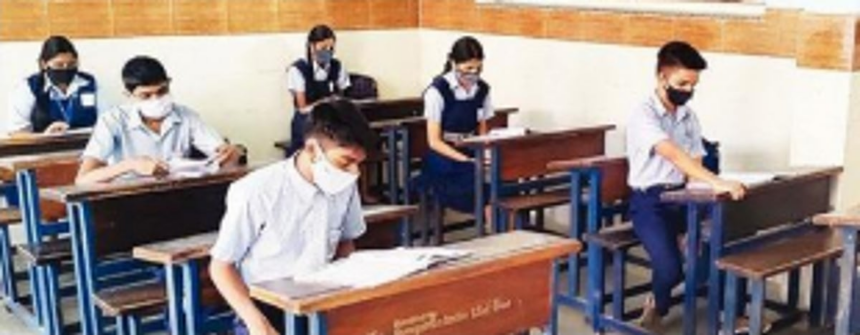
Lastly, access to good quality education for all citizens should be the top-most priority. Education has an immense potential to increase equality in society. Many experts suggest education as an important means to reduce inequality. With the Covid-19 pandemic showing no signs of abating very soon, the government would do well to enter into partnerships with the private sector, to create effective tools to design school curriculums, in accordance with the needs of a pandemic struck the world. Education can offer individuals a means to exercise their right over policies and decisions which affect their lives. Better education will lead to better opportunities and ultimately reduce inequality.
In conclusion, the right mix of all the solutions mentioned can go a long way in leading to a more equitable country. There is also a need for a renewed debate on Inequality. If India has to succeed as a vibrant democracy, the huge disparity between the rich and the poor will have to be reduced.
(Anish Esteves is a student of Mass Media and Journalism based in Mumbai.)